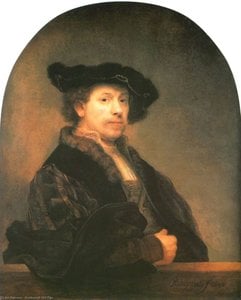
Biografija umetnika
Svetilnik osvetljenstva: Življenje in umetnost sirja Žošueja Reynoldsa
Rodjen leta 1723 v čarovni devonški vasi Plympton, je sir Joshua Reynolds izstopal kot ključna figura v obdobju ogromne kulturne transformacije v Britaniji. Njegov oče, revmat Reverend Samuel Reynolds, mu je vdelljal ljubezen do učenja in intelektualnih naborov, s čimer je mladega Žošuoja sprva usmerjal v študijsko pot. Vendar pa se je kmalu pojavila neustavljiva umetniška nagnjenost, ki ga je pri sedemnajstih letih vodila v delavnico Thomasa Hudsonja v Londonu. Ta oblikovalna izkušnja je Reynoldsu zagotovila trdne temelje v portretiranju – žanru, ki bo dalo pečat njegovi slavni karieri. Hudsonova studio je bila živahno središče modnega družbenega življenja, kar je Reynoldsa izpostavilo zahtevam in pričakovanjem aristokratskih poklonnikov ter oblikovalo ne le njegovo tehniko, temveč tudi njegovo razumevanje družbene panorame, ki jo bo kasneje tako dovršeno prikazoval. Ne grelo le za zajemanje podobnosti; išlo je za ustvarjanje podobe, ki odraža status, okus in aspiracije.
Kovanje »veličastega sloga« za britansko portretiranje
Reynolds ni preprosto kopiral tistega, čemur se je naučil pri Hudsonju. Odpravil se je na pot umetniškega raziskovanja, poganjeno z globoko občudovanjem starih mojstrov – predvsem Rafaela, Michelangela in Tiziana. Ključni trenutek v njegovem razvoju je bila potovanje v Rim leta 1750, kjer se je potopil v klasično umetnost in osvojil načela »veličastega sloga« (Grand Style) – pristopa, ki je prednostno dajal eleganco idealizirani lepoti, dramatični kompoziciji ter zgodovinskim ali mitološkim naklonjenostim. Ob vrnitvi v Anglijo je Reynolds želel britansko portretiranje dvigniti nad zgolj prikazovanje zunanjosti, v njega pa vpreneti smisel dostojanstva in intelektualne težave, ki prej ni bila nikoli vidna. Verjel je, da portreti ne bi smeli le beležiti fizične podobe, temveč tudi razkriti karakter in družbeni položaj modela. Ta ambicija ga je vodila k vključevanju elementov zgodovinske slikarstva v njegovo delo, pri čemer je svoje subjekte pogosto prikazoval v okrasnih kostumih ali urejenih okoljih, ki so spominjala na klasične pripovedi. Ni slikal le *ljudstev*; oblikoval je trajne podobe moči, intelekta in prefinjenosti.
Prvi predsednik in zagovornik Kraljevske akademije
Reynoldsov vpliv se je širil daleč presegal njegove lastne platno. Leta 1768 je postal ustanovitelj Kraljevske akademije umetnosti in, kar je ključno, njen prvi predsednik – položaj, ki ga je držal do svoje smrti leta 1792. To je bil prelomni trenutek za britansko umetnost, saj je tako ustanovljena institucija, posvečena negovanju umetniškega talenta in promoviranju nacionalne identitete. Reynolds je neusmiljeno zagovarjal pomen umetniške izobrazbe in se zavzemal za priznanje umetnikov kot profesionalcev, ki si zaslužijo spoštovanje in poklonništvo. Njegovi letni »Diskurzi« – predavanja, namenjena študentom akademije – so postali pomembna besedila o umetniški teoriji in praksi, ki so skicirala njegovo vizijo za ločeno britansega šolo slikarstva. Poudarjal je pomen študija narave, mojstra tehnike in negovanja domišljije ter je spodbujal umetnike, naj težijo k originalnosti, hkrati pa ostajajo zakoreninjeni v tradiciji. Njegovo vodstvo je spremenilo пейzaž britanske umetnosti, dvignilo njen status in položilo temelje za prihodnje generacije umetniške inovativnosti.
Zajemanje ene dobe: Znana dela in trajna dediščina
Reynoldsova plodna tvorba je obsegala portrete nekaterih najbolj izstopajočih oseb Britanije v 18. stoletju – članov aristokracije, literarnih velikov in vojaških junakov. Njegov portret Vojvoda Devonškega, na primer, izžareva vzdušje aristokratične moči in sofisticiranosti, medtem ko njegova upodobitev Peter Darnell Muilman, Charles Crokatt and William Keable in a Landscape prikazuje njegovo sposobnost nemotljivega integriranja figur v naravno okolje. Gospod in gospa William Lindow je še eden prepričljivega primera njegove veščine pri zajemanju intimnosti in družbene dinamike družinskega življenja. Poleg individualnih portretov se je Reynolds izkazal tudi pri skupinskih kompozicijah, kjer je spretno urejal več figur v enem okviru, da bi ustvaril dinamične in privlačne pripovedi. Njegovo del ni bilo le stvar tehnične dovršenosti; šlo je za pripovedovanje zgodb – za prenašanje bistva ene dobe skozi skrbno konstruirane slike.
Reynoldsov vpliv na britansko umetnost je neizmeren. Ne le da je portretiranje vzpostavil kot spoštovan žanr, temveč je pomagal oblikovati kulturno identiteto nacije, ki je preživela hitre družbene in politične spremembe. Njegov poudarek na »veličastem slogu« je navdihoval generacije umetnikov, njegovo vodstvo Kraljevske akademije pa je postavilo temelje za razvoj cvetočega umetniškega skupnosti. Danes njegove slike še vedno očarajo gledalce s svojo eleganco, psihološko globino in zgodovinskim pomennom – kot spomin na trajno moč njegove vizije in umetnost. Njegova dela lahko najdemo v prestižnih zbirkah po vsem svetu, vključno s Tate Britain v Londonu in Kraljevsko zbirko v Hampton Courtu, kar zagotavlja, da bo njegova dediščina še stoletja navdihovala in poučevala.



 Preverite v realnem okolju
 Preklop na tiskanine
 Pošlji kot čestitko
 Deli
Deli
 Podrobnosti
 Navodila

 Prenesi
 Podobni artefakti
 Rentgenski posnetek
 Predvajaj diaporama
 Statistika


 Preberi več