Oil On CanvasWallArtBaroque Painting
 1638
1638 57.0 x 42.0 cm
 Fitzwilliam College
Kupite digitalno sliko visoke ločljivosti z izboljšano kakovostjo, ki je precej boljša od spletnega predogleda.
Vsaka datoteka je pod natančnim nadzorom naših strokovnjakov, ki uporabljajo napredna orodja in strokovno ročno obdelavo. Zagotovimo, da ima vsaka slika izjemno jasnost, natančnost barv in fine podrobnosti.
Končna datoteka je po e-pošti dostavljena v 72 urah, optimizirana za takojšnjo uporabo v profesionalnem, uredniškem in tiskarskem okolju. To je kakovost, ki ji zaupajo vrhunska oblikovalna studia, založniki in galerije.
Prenesite datoteko visoke ločljivosti za osebno uporabo, tiskanje in kreativne projekte. ( Kupi tisk Kupi ročno naslikano sliko)
Ko izberete WahooArt.com, ne prejmete le slike – prejmete digitalno umetniško delo, ki je profesionalno urejeno, izdelano z natančnostostjo in zavestno zagotovljeno z garancijo za zadovoljstvo. Tukaj je vse, kar samodejno prejmete z vašim naročilom:

Vaša digitalna slika visoke ločljivosti bo na vaš e-naslov poslana v roku 72 ur od zaklopa naročila – pripravljena za takojšnjo uporabo.

Vaše umetniško delo je strokovno optimizirano z uporabo naprednih orodij umetne inteligence in ročne obdelave, kar zagotavlja največjo stopnjo podrobnosti, jasnosti in barvne natančnosti.

Ste zaradi nespremietne napake izgubili ali izbrisali svojo datoteko? Ni težav – vam jo bomo ponovno poslali kadar koli in brezplačno.

Uživajte v svojem umetniškem delu takoj, brez carin, davkov ali stroškov dostave – digitalni prenosi so vedno brezdavčni.

Z uporabo profesionalnih orodij in upravljanja barv zagotavljamo, da vaša digitalna slika čim bolj natančno odraža prvotne barve.

Če niste zadovoljni s svojo digitalno sliko, jo bomo uredili ali vam v 100 dneh povrnili 100% denarja – brez kakršnih koli vprašanj.

Niste zadovoljni? Zagovрите popoln povračilo sredstev v 100 dneh po prejemu digitalne datoteke – brez kakršnih koli vprašanj.

Kupite 3 slike, prihranite 10% - Kupite 5 slik, prihranite 15% - Kupite 10+ slik, prihranite 20%. Odlično za kreativne projekte, galerije in agencije.
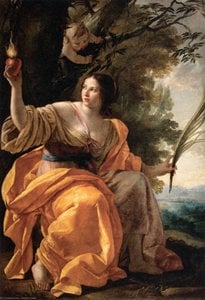
Simon Vouet's "The Entombment," painted in 1635–1638, is not merely a depiction of a biblical scene; it’s an exquisitely rendered meditation on grief, faith, and the profound dignity of sacrifice. This monumental work, currently residing within the collection of the Fitzwilliam Museum in Cambridge, transcends its subject matter to become a powerful testament to the Baroque era's ability to evoke intense emotion through masterful technique and carefully considered symbolism. Vouet, a pivotal figure in bridging the gap between Mannerism and the burgeoning Baroque style in France, imbued this piece with the dramatic lighting and emotional depth that would define his career.
The painting immediately draws the viewer into a scene of palpable sorrow. Jesus Christ, recently taken from the cross, lies supine within a richly appointed tomb – a bed draped in luxurious fabrics, its details suggesting both earthly comfort and impending finality. The figures surrounding him are rendered with an almost sculptural quality, their bodies conveying a range of emotions: Mary Magdalene, her face etched with anguish, gently lays her head upon Christ’s chest; John the Evangelist kneels in prayer, his posture reflecting deep contemplation; while other mourners – including soldiers and attendants – stand as witnesses to this solemn event. Vouet's skill lies not just in capturing individual likenesses but in conveying the collective weight of grief that permeates the scene.
Vouet’s mastery of technique is evident in every brushstroke. He employed a layered approach, building up the image through numerous glazes – a hallmark of his style and one that contributes to the painting's luminous quality. The use of *chiaroscuro*, or dramatic contrasts between light and shadow, is particularly striking. The soft, diffused light emanating from an unseen source illuminates Christ’s body and the faces of the mourners, while plunging the tomb into a deeper darkness, symbolizing death and the unknown. This interplay of light and shadow not only creates a sense of drama but also directs the viewer's eye to the most important elements of the composition.
Furthermore, Vouet’s attention to detail is remarkable. The textures of the fabrics – the velvet, linen, and wool – are rendered with astonishing realism, as are the folds of Christ’s garments and the expressions on the faces of the figures. The artist's meticulous observation of anatomy and drapery reflects his extensive training in Italy, where he had spent much of his early career studying the works of masters like Titian and Veronese. The composition itself is carefully balanced, with a clear sense of depth and perspective that draws the viewer into the scene.
Beyond its technical brilliance, “The Entombment” is rich in symbolic meaning. The tomb itself represents not just death but also resurrection – the promise of eternal life offered through Christ’s sacrifice. The presence of Mary Magdalene, traditionally depicted as a repentant sinner, underscores the theme of redemption and forgiveness. The soldiers guarding the tomb symbolize earthly authority and the limitations of human power to prevent divine destiny. The bird perched atop the tomb, often interpreted as an angel or dove, represents hope and the arrival of the Holy Spirit.
Moreover, the painting’s emotional intensity speaks to a broader spiritual concern – the universality of suffering and the importance of compassion. Vouet's depiction of grief is not merely sentimental; it is profoundly moving, inviting viewers to contemplate their own experiences of loss and mortality. The scene resonates with the viewer on a deeply human level, reminding us of the enduring power of faith and the significance of acts of kindness and empathy.
“The Entombment” stands as a quintessential example of Baroque art – a fusion of technical virtuosity, dramatic emotion, and profound symbolism. Simon Vouet’s ability to capture both the physical beauty of his subjects and the depth of their emotional experience is truly remarkable. Reproductions of this masterpiece offer an opportunity to bring its elegance and spiritual resonance into any setting, serving as a poignant reminder of humanity's shared journey through life and death.

Simon Vouet je bil ključna osebnost v prehodu francškega slikarstva iz manirizma v barokni stil. Rojen v umetni družini – njegov oče Laurent je bil slikar, brat pa Aubin prav tako umetnost udajal – je prej prejel usposabljanje, ki je postavilo temelj za njegov kasnejši uspeh. Njegov vnuk, Ludovico Dorigny, je bo nadaljeval umetni nas družine.
Med svojim italijanskim prebivaljem je Vouet absorbiral različne vplive. Studiral je dramatične svetlobne tehnike, ki jih je pionir bil Caravaggio, prevzel elemente italijanskega manirizma in natančno analiziral palete barv ter di sotto in su (perspektiva odspodku) uporabljen v Paolo Veronese. Prav tako je bil navdohan z delami Carraccija, Guercina, Lanfranca in Guido Renija, sintezirajoč te različne stile v edinstveno umetniško vizijo.
Dediščina Simon Voueta temelji na njegovi ključni vlogi kot most med italijanskostjo in francsko umetnostjo. Uspešno je uvezel dinamiko in veličast italijanskega baroka, ga pa je transformiral v stil, ki je rezonoval z okusjem francškega dvora in aristokracije. Njegov vpliv na razvoj francškega slikarstva v 17. stoletju je neosporen, in njegovi prispevi so še danes dan znani umetnostnim zgodovnikom.

1590 - 1649 , Francija

 Predogled
 Pošlji
 Deli
Deli
 Podrobnosti o delu

 Prenesi
 Podobni izdelki
 Rentgenski posnetek
 Predvajaj diaporama
 Razviljaj več