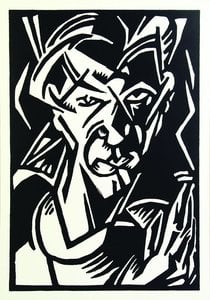
Sándor Bortnyik: Tkavec senc in simbolizma
Sándor Bortnyik (1893–1976) ostaja globoko enigmatična figura v zgodovini madžarske umetnosti, umetnik, katerega pretresljiva dela še vedno odmevajo z močno zmedijo simbolizma, ekspresionizma in arhitekturne natančnosti. Rod v Marosvásárhelyju v Transilvaniji – takratnem delu Madžarske kraljevine – je Bortnyikovo življenje zaznamovalo izgnanstvo in umetnična evolucija, kar ga je na koncu oblikovalo v enega najbolj značilnih glasov njegove generacije. Njegova dediščina ne leži v obsežnem korpusu slik in grafičnih oblikov, temveč tudi v njegovi ključni vlogi pedagog Carn, ki je v okviru načeli Bauhausovih principov negoval novo val madžarskih umetnikov.
Zgodnje življenje in vplivi
Bortnyikova zgodnja umetnična izobraževanja se je začelo v Budimpešti, kjer ga je takoj očarala živahna energija fauvistične gibanja. Vendar pa so politične prevremene po Prvi svetovni vojni prisilile v izgnostvo, kar ga je leta 1922 končno vodilo v Weimar. Ta preselitv se je izkazala za preobrazbno, saj ga je potopila v revolucionarno okolje šole Bauhaus. Principi funkcionalizma, geometrične abstrakcije in poudarek na rocnem delu so globoko vplivali na njegov umetniški razvoj. Študiral je pod mojstrivci, kot sta Johannes Itten in Lyonel Feininger, pri čemer je spremljal njune filozofije in hkrati oblikoval lasten edinstven vizualni jezik. Vpliv kubizma je jasno opazen v njegovih zgodnjih delih, še posebej pri fragmentaciji oblik in raziskovanju več perspektiv – tehniki, ki jo je kasneje mojstrovsko združil s simbolično podobnostjo.
Mojster komercialne umetnosti in grafičnega oblikovanja
Kljub svoji vpletenosti v avantgardna gibanja je bila Bortnyikova poklicna pot neločljivo povezana s svetom komercialne umetnosti. Hitro se je uveljavil kot izjemno iskansk gladki oblikovalec plakatov, saj je ustvarjal osupljive vizualne komunikacije za širok spekter strank – od proizvajalcev parfumov, kot je Savoly, do podjetij za cigrete, kot je Modiano. Ti plakati niso le oglas; so miniaturna umetniška dela, ki jih odlikajo drzne barve, dinamične kompozicijo in pogosto prežarajo občutek melanholije ali predskutja. Njegove zasnove so bile za svoj čas izjemno inovativne, saj so na madžarski trg prinesle modernistično-konstruktivistično estetiko.
Delavnica in dediščina Bauchausa
Leta 1928 je Bortnyik ustanovil »Delavnico« (Mühely), zasebno umetniško šolo v Budimpešti, ki je postala ključna inkubator za madžarski umetniški talent. Z močnim črpanjem iz načeli Bauchausa je poudarjal eksperimentiranje z materiali, tehnikami in konceptualnimi pristopi. Njegov program je spodbudjal duh inovativnosti in spodbujal študente, da izzovejo tradicionalne predstavitve ustvarjanja umetnosti. Deloval je tudi kot direktor Madžarske akademije bele umetnosti od leta 1949 do 1956, s čimer je oblikoval umetniško pokrajavo povojne Madžarske. Njegova predanost izobraževanju se je razširila daleč 넘어 formalno poučevanje; aktivno je stremil, da bi svoje študente izpostavil mednarodnim razvojom v umetnosti in oblikovanju, s čimer je spodbudil čezkulturni dialog, ki je obogatil njihovo ustvarjalno prakso.
Tematike smrti, transformacije in urbanistične pokrajine
Bortnyikovo del se še vedno proučuje in občuduje zaradi njegove pretresljive lepote, tehničnega mojstravanja in globoke raziskave človeškega stanja. Ostaja ključna figura v zgodovini madžarske umetnosti, spomenik moči umetniške vizije in trajne dediščine gibanja Bauhaus.



 Preverite v realnem okolju
 Preklop na tiskanine
 Pošlji kot čestitko
 Deli
Deli
 Podrobnosti
 Priročnik

 Prenesi
 Podobni artefakti
 Rentgenski posnetek
 Predvajaj diaporama
 Statistika
 Preberi več