Piet Mondrian: Od Nizozemske Pokrajine do Abstraktne Harmonije
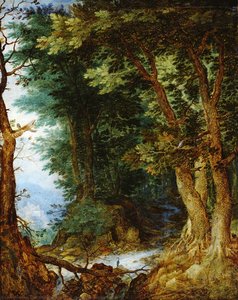
Pieter Cornelis Mondriaan, bolj znan kot Piet Mondrian, se je rodil leta 1872 v mirni nizozemski vasici Amersfoort. Njegova pot umetnika ni bila takojšnja razkritje, temveč postopno odvijajoča se zgodba o iskanju in preobrazbi. Že v zgodnji mladosti je bil Mondrian obdovan z umetnostjo; njegov stric Frits Mondriaan je že veljal za priznanega slikarja, kar je prihodnjega umetnika usmerilo k upodabljanju pokrajin. Te začetne slike, ki spominjajo na Hagško šolo in nizozemski impresionizem – kot je *Rdeči mlin* – razkrivajo mladega umetnika, ki skrbno študira naravo, obvladuje tehniko, a hkrati subtilno išče nekaj onostranega samega upodabljanja. Že takrat ga je očitna želja po poenostavitvi vlečla k njegovi krtači. Ni želel le odsevati svet; hotel je destilirati njegovo bistvo. Ta zgodnja doba je zaznamovana s poskusi s pointilizmom in fauvizmom, vsak stil ponuja drugačno perspektivo na barvo in obliko, a noben ne zadovolji njegove rastoče umetniške vizije. Bilo je obdobje raziskovanja, nujne predhodnice radikalnega odstopa, ki bo definiral njegovo zapuščino.
Parišsko Prebujenje in Rojstvo Neoplastičnosti
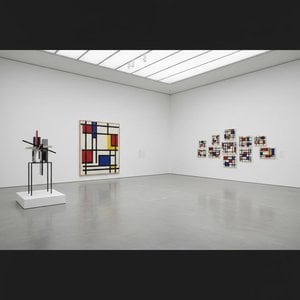
Ključni trenutek je prišel leta 1912, ko se je Mondrian preselil v Pariz. Mesto je pulziralo z avantgardno energijo, in on se je potopil v revolucionarno svet kubizma. Ta srečanja so se izkazala za transformativna. Začel je razgrajevati oblike, razlagati predmete na njihove geometrijske komponente, odmaknil se je od upodabljanja *kaj* vidi k raziskovanju *kako* vidi. A Mondrian ni le sprejemal novega sloga; začel je duhovno potovanje. Globoko vplivljen s Teozofijo – mistično filozofijo, ki poudarja univerzalne načela – je verjel, da lahko umetnost biti sredstvo za izražanje skritih resnic. Ta prepričanje je napajalo njegovo neusmiljeno iskanje abstrakcije, kar ga je vodilo k zmanjšanju barve in oblike na njune najosnovnejše elemente. Okoli leta 1917 se je ta potovanje končalo s formulacijo Neoplastičnosti, pogosto imenovane tudi 'čista plastika'. Bila je radikalna estetika, ki temelji na bistvenih oblikah – ravnih črtah, pravih kotih – in omejeni paleti: primarne barve (rdeča, modra, rumena), črna, bela in siva. Za Mondriana ta redukcija ni bila o praznini; šlo je za razkritje podrobne univerzalne harmonije, vizualno manifestacijo duhovnega reda. Soustanovil je gibanje *De Stijl* z Theom van Doesburgom, da bi spodbudil te ideje in tako Neoplastičnost utrdil kot pomemben sil v sodobni umetnosti. Delo *Kompozicija s rdečo, modro in rumeno* in *Tableau št. 2 Kompozicija št. V* stojita kot priče tega obdobja, ikonični predstavitve njegove neomajne zavezanosti geometrijski čistosti.
Newyorške Ritme: Pozno Življenjsko Razcvetenje
Izbruh druge svetovne vojne je leta 1940 prisilil Mondriana, da zapusti Evropo in poišče zatočišče v živahnem mestu New York City. Ta preselitev se je izkazala za nepričakovano spodbudno. Mesto s svojo rigidno mrežo – ostra nasprotje bolj organskih pokrajin, ki jih je poznal – so odmevale z njegovimi umetniškimi načeli. Njegova kasnejša dela, najbolj pomembno *Broadway Boogie Woogie* (1943), odražajo ta vpliv. Ohranjijo jedro Neoplastičnosti, a uvajajo dinamično energijo, živahno ritmom navdihnjeno z mestovnim pulzom in jazz glasbo. Ravne črte so še vedno prisotne, vendar zdaj plešejo in se križajo s večjo svobodo, kar ustvarja občutek gibanja in veselja. Kot bi Mondrian našel nov jezik v svojem uveljavljenem besedišču, način za izražanje kompleksnosti sodobnega mestnega obstoja skozi preprostost geometrijske abstrakcije. Nadaljeval je z rafiniranjem svojega sloga do svoje smrti leta 1944 in pustil za seboj delo, ki še vedno očara in navdihuje.
Trajna Zapuščina: Mondrianov Neizčrpni Vpliv
Vpliv Piet Mondriana na svet umetnosti je neprecenljiv. Ni bil le umetnik; bil je vizionar, ki je temeljito spremenil naše razumevanje abstrakcije in njenih možnosti za izražanje univerzalnih resnic. Njegovo delo je globoko vplivalo na neshlač številne umetnike, gibanja in discipline. Abstraktni ekspresionizem, minimalizem in slikanje barvnih polj so dolžni njegovemu pionirskemu duhu. A njegov vpliv sega daleč onkraj platna. Načela Neoplastičnosti – preprostost, jasnost, geometrijski red – so prodrla v arhitekturo, dizajn in modo. Od pohištva in tekstila do fasad zgradb in grafičnih razporeditev, Mondrianova estetika še vedno oblikuje naš vizualni svet. Ostaja ikonična figura v sodobni umetnosti, simbol neusmiljenega iskanja abstrakcije in trajne moči umetniške inovacije. Kot je zapisal zgodovinar dizajna Stephen Bayley, je postal Mondrian "totem za vse, kar si je modernizem zastavljal". Njegova zapuščina ni le ena estetske lepote, temveč intelektualne rigoroznosti, duhovne globine in neomajne vere v transformativni potencial umetnosti.
Vplivi in Ključna Dela
- Zgodnji Vplivi: Hagška šola, nizozemski impresionizem, pointilizem, fauvizem so zagotovili temelj za njegove začetne umetniške raziskave.
- Transformativen Vpliv: Kubizem v Parizu je bil ključen za prehod k abstrakciji in geometrijskim oblikam.
- Filozofski Temelj: Teozofija je globoko obvestila njegovo prepričanje, da lahko umetnost izražati univerzalne duhovne načela.
- Ključna Dela: *Rdeči mlin* (zgodnje naturalistično obdobje), *Kompozicija s rdečo, modro in rumeno* (tipična Neoplastičnost), *Tableau št. 2 Kompozicija št. V* (pokazuje redukcijo na bistvene oblike), *Broadway Boogie Woogie* (kasnejša dinamika, navdihnjena z New Yorkom).
- Trajni Vpliv: Mondrianovo delo še naprej navdihuje umetnike, arhitekte in oblikovalce ter oblikuje sodobno estetiko v različnih disciplinah.
Njegova estetska načela so se razširila iz slikarstva v arhitekturo, dizajn in modo. Ostaja ikonična figura v sodobni umetnosti, ki predstavlja iskanje abstrakcije in univerzalne harmonije.



 Preverite v realnem okolju
 Naročite ročno slikano reprodukcijo
 Pošlji kot čestitko
 Deli
Deli
 Podrobnosti
 Priročnik

 Prenesi
 Podobni artefakti
 Rentgenski posnetek
 Predvajaj diaporama
 Statistika
 Preberi več






































 Možnost stekla je na voljo le za velikosti pod 110 cm