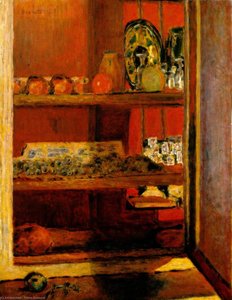
Življenje v svetlobi: Svet Pierreja Bonnarda
Pierre Bonnard, rojen leta 1867 v pariškem predmestju Fontenay-aux-Roses, ni bil usojen za življenje, prežeto z umetniškim izražanjem. Njegov oče, visoki uradnik pri francoskem vojaškem ministrstvu, je sina videl kot bodočega odvetnika. Mladi Pierre je s tem vsesrečenostno sledil temu načrtu in leta 1888 pridobil odvetniško licenco, a njegovo srce je pripadalo drugemu svetu – očarljivemu svetu barve in oblike. Ta dualnost, napetost med pričakovanjem in strastjo, je subtilno zaznamovala njegovo umetniško pot in delu dodala edinstveno intimnost. Sprva se je ukvarjal s karikaturo, pri čemer je brusil opazovalne sposobnosti, ki so kasneje cvetele v izjemno upodabljane domače scene. Vendar pa je šele na Akademiji Julian resnično našel svojo pot, kjer je srečal sorodne duše, ki so delile njegovo rastočo zavrnitev akademskih konvencij in sprejemale avantgardni duh, ki je valil po Parizu. To srečanje ga je pripeljalo do Nabisov, skupine umetnikov – med njimi Maurice Denis, Paul Sérusier in Édouard Vuillard –, ki so si prizadevali vtisniti umetnosti duhovnost in simbolizem ter se premakniti onkraj samega prikazovanja proti raziskovanju notranjih izkušenj.
Nabi leta in gojenje intimnosti
Združenje z Nabisi je bilo za Bonnarda ključnega pomena. Skupinska poudaritev na sploščenih oblikah, krepkih barvnih paletah in zavrnitev tradicionalne perspektive se je globoko odzvala na njegove umetniške težnje. Navdihnjen z japonskimi natisnimi grafikami – njihovimi elegantnimi linijami in harmoničnimi kompozicijami – ter raziskovanjem subjektivnih čustev simbolističnega gibanja, je Bonnard začel razvijati svoj značilen slog. Ni ga zanimale velike pripovedi ali zgodovinski alegorije; namesto tega se je obrnila vase, osredotočajoč se na tihe trenutke vsakdanjega življenja: ženska v kadi, družina za mizo, sončno nasad. To niso bile le upodobitve prizorov, temveč destilacije čustev – evokacije spominov in vzdušij. Ta poudarek na intimni domačnosti mu je prinesel oznako "Intimist", izraz, ki popolnoma ujame emocionalno resonanco njegovega dela. Njegove slike niso o *kar* je prikazano, temveč o *kakšno* je čutiti, ko si prisoten v teh trenutkih. Delal je po spominu, intenzivno skiciral in nato te vtise prenašal na platno z izjemno občutljivostjo za svetlobo in barvo.
Barva kot emocija: mojster kolorista
Bonnardova mojstrstvo barve je verjetno njegova najbolj definiranša značilnost. Ni le *uporabljal* barve; jo je *čutil*, kar je dovolilo, da določi razpoloženje in vzdušje njegovih slik. Njegova paleta je bila živahen a subtilen, pogosto je uporabljal nepričakovane kombinacije, ki so ustvarjale občutek sijajne svetlosti. Znano je, da se je vračal k končanih platnih in subtilno prilagajal barve na več delih, da bi dosegel popolno barvno harmonijo – priča njegovemu obsesivnemu posvetovanju kromatični ravnovesju. To ni šlo za realistično predstavitev; šlo je za zajem subjektivne izkušnje z barvo, njene sposobnosti, da sproži čustva in spomine. Odmaknil se je od neposredne opazovalnosti, raje pa je slikal po spominu, kar mu je omogočilo, da svojim prizorom vdihne sanjsko kvaliteto. Njegove pokrajine niso bile le upodobitve krajev, temveč čustveni odzivi nanje – filtrirani skozi objektiv osebne izkušnje.
Poznejše življenje in trajna zapuščina
Ko je Bonnard zorel, so se njegove umetniške osredotočenosti preusmerile k raziskovanju barve in svetlobe. Čedalje več časa je preživel na jugu Francije, očaran s sredozemsko pokrajino in njeno intenzivno svetlobo. Njegov odnos z Marthe de Meligny, njegovo ženo in življenjsko muzo, je ostal osrednji za njegovo življenje in delo. Pogosto se pojavlja v njegovih slikah, pogosto upodobljena med kopanjem ali pri opravilih vsakdanjega življenja, njena prisotnost izžareva tiho gracioznost in intimnost. Leta 1912 je kupil "La Roulotte" blizu Givernyja v Vernonnetu, kjer je vzpostavil tesno prijateljstvo s Claudeom Monetom. Ta bližina mojstra impresionizma je dodatno spodbudila Bonnardovo raziskovanje svetlobe in barve, čeprav je vedno ohranjal svojo ločeno umetniško vizijo. Slikal je do kmalu pred smrtjo leta 1947 in za seboj pustil delo, ki še danes navdušuje in navdihuje. Bonnardov vpliv na prihodnje generacije umetnikov je nesporna. Njegova poudaritev subjektivne izkušnje, mojstrstvo z barvo ter praznovanje vsakdanjega življenja so pustili neizbrisov sled na sodobni umetnosti. Dokazal je, da se lepota najde ne v velikih gestah ali herojskih pripovedih, temveč v tihih trenutkih življenja – obarvanih s svetlobo in prežetih z emocijami.
Znana dela & zbiralnice
- Ženska v izbrancu (1890): zgodnje primer njegovega sloga, ki je bil pod vplivom Nabija, pri čemer so prikazane sploščene oblike in krepke barvne kombinacije.
- Jedilnica (1913): tipična intimistična scena, ki ujame toplino in intimnost domačega življenja.
- Skledo s sadjem (okoli 1933): demonstrira njegovo mojstrstvo v slikanju navadnih predmetov, z živimi barvami in občutkom svetleče globine.
- Cvetoča mandlova drevesa (1947): Ena njegovih zadnjih slik, končana le nekaj dni pred smrtjo, pri čemer je prikazano njegovo nadaljnje raziskovanje barve in svetlobe.
Bonnardova dela so na voljo v uglednih muzejih po vsem svetu, med drugim:
- Musée Marmottan Monet, Pariz, Francija
- Art Institute of Chicago
- Museum of Modern Art, New York City
- Tate Modern, London
Njegova zapuščina traja kot priča moči barve, svetlobe in trajnejše lepote vsakdanjega življenja.



 Predogled
 Preklop na tiskanine
 Pošlji
 Deli
Deli
 Podrobnosti o delu

 Prenesi
 Podobni izdelki
 Rentgenski posnetek
 Predvajaj diaporama
 Statistika


 Razviljaj več






































 Možnost stekla je na voljo le za velikosti pod 110 cm