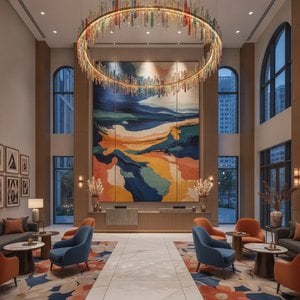
Paul Klee: Harmonija barve in otroška radost
Paul Klee, ime tesno povezano z igrivo abstraktnostjo in globoko čustveno resonanco, zavzema edinstven položaj v umetniški krajini 20. stoletja. Rojen 18. decembra 1879 v Münchenbuchseeju v Švici, je bila njegova umetniška pot nenehna raziskovanja, ki je premagala vsakostno kategorizacijo in ustvarila pot, ki je združevala vplive ekspresionizma, kubizma in surrealizma v izjemno osebni vizualni govorico. Njegovo odraščanje je gojilo zgodnje cenjenje umetnosti; njegov oče, nemški učitelj glasbe, in mati, švicarska pevka, sta mu vsadila občutljivost za tako slušne kot vizualne harmonije. Ta temeljna povezava med glasbo in slikarstvom je postala definiran značilnost njegovega dela, ki je oblikovala ne le njegov kompozicijski pristop, temveč tudi njegovo teoretično razumevanje umetnosti kot oblike abstraktnega izraza, primerljive z glasbenim aranžmajem. Sprva navdušen nad risanjem je Klee kmalu opustil prizadevanja za realistično predstavitev, prepoznave njene omejitve pri pretvorbi notranjega sveta čustev in idej, ki jih je želel izraziti. Vpisal se je na Akademijo lepih umetnosti v Münchnu med letoma 1898 in 1901, obdobje, zaznamovano z eksperimentiranjem in razvojem njegove edinstvene umetniške glasbe.
Oblikovanje umetniškega vida
Kleejeva zgodnja dela razkrivajo vpliv secesije in simbolizma, vendar celo znotraj teh okvirov so se začele pojavljati napovedi njegove prihodnje stilistične poti. Ključni trenutek v njegovem umetniškem razvoju je bilo potovanje v Tunizijo leta 1914. Intenzivna svetloba in živahna atmosfera severnoafriške države so globoko vplivale na njegovo uporabo barve, navdihujoč ga, da se premakne iz umirjenih odtenkov proti bolj izrazitim paletam. Ta izkušnja je označila prelomnico, ki je utrdila njegovo zavezanost abstraktnemu kot sredstvu za zajem bistva percepcije namesto le ponavljanja njene površinske podobe. Ni se le *gledal* Tunizije; pretvarjal jo je v vizualno obliko čustvene resonanze. Skozi to obdobje se je Klee ukvarjal z različnimi umetniškimi gibenji, vpijal njihove načela in obenem vztrajal pri neodvisnosti svoje ideologije. Njegov interes za glasbo je ostal prednosten, pogosto je govoril o slikanju kot procesu, ki je analogen komponiranju glasbenih skladb – skrbnem urejanju elementov za ustvarjanje harmonične celote. Ta sinestetični pristop je očiten v ritmičnih linijah, nežni ravnovesju barv in splošnem občutku gibanja, ki prežemajo številna njegova dela.
Bauhaus in naprej: Obdobje razcveta
Od leta 1931 do 1933 je Klee sprejel mesto predavatelja na vplivni šoli Bauhaus za umetnost, dizajn in arhitekturo, skupaj z Wassilyjem Kandinskym. To obdobje se je izkazalo za izredno plodno za njegov umetniški razvoj. Obdobljen s progresivnimi misleci in kolegi umetniki je cvetel v okolju, ki je spodbujalo eksperimentiranje in teoretično raziskovanje. Njegovo delo med temi leti se je poglobilo v teorijo barve in formalne odnose, raziskuječ interakcijo med abstraktnimi oblikami in čustvenim izrazom. Vendar pa je ta ustvarjalni raj prekinila vzpostavitev nacizma v Nemčiji. Leta 1933 so ga zaradi njegove umetnosti, ki jo je režim označil za "izprijaznjeno", odstavili z Bauhausa – mračna priča nevarnosti politične ideologije, ki zatira umetniško svobodo. Privez v Švico se je vrnil in nadaljeval slikanje, vendar se je njegovo zdravje poslabšalo pod snovjo naraščajoče politične stiske in osebnih težav. Kljub tem izzivom je ostal zavezan svoji umetniški viziji, ustvarjal dela, ki so odražala tako skrbi dobe kot njegovo trajno prepričanje v moč umetnosti, da preseže nasprotovanja.
Teme, stil in trajna zapuščina
Kleejeva dela se ponašajo s privlačnim mešanico igrivosti in globoke kontemplacije. Pogosto je uporabljal otroške podobe in šaljive kompozicije, ki so jih napolnile plasti simbolnega pomena. Ponavljajoče se teme v njegovi umetnosti vključujejo vrtove, pokrajine, portrete in abstraktne aranžmaje – vsaka služi kot sredstvo za raziskovanje kompleksnosti človeške izkušnje. Njegovi "Paul Klee Notebooks", objavljeni po njegovi smrti, ponujajo neprecenljive vpoglede v njegove obsežne teoretične preiskave barve in oblikovanja, ki razkrivajo temeljito in intelektualno pristop k umetniškemu ustvarjanju. Ni le slikAL; gradil je vizualni jezik na podlagi načel harmonije, ravnovesja in čustvene resonanze.
Hamamet,
Siblings in
En la corriente seis umbrales so le nekatere od primerov, ki prikazujejo njegovo mojstrstvo barve in oblike. Paul Klee je umrl 29. junija 1940 v Muraltu na Švici in za seboj pustil zapuščino, ki še danes navdihuje umetnike in očara občinstvo po vsem svetu. Pravilno velja za eno najpomembnejših osebnosti umetnosti 20. stoletja, saj je premostil razkorak med figurativnim in abstraktnim izrazom in utrdil svoj položaj kot ikoničnega inovatorja, katere delo ostaja večno relevantno.
Muzeji & Dodatna Raziskovanja
- Zentrum Paul Klee (Bern): Dom največje zbirke Kleejevih del na svetu, ki ponuja celovit pregled njegove umetniške poti.
- Museum of Fine Arts Bern: Ponuja pomembne kose Kleeja skupaj z mojstrstvi Picassa in Hodlerja.
- Kunstmuseum Bern: Najstarejši muzej za likovna dela v Švici, ki razstavlja raznoliko zbirko, med katero spadajo tudi dela Kleeja in drugih sodobnih mojstrov.



 Preverite v realnem okolju
 Preklop na tiskanine
 Pošlji kot čestitko
 Deli
Deli
 Podrobnosti
 Priročnik

 Prenesi
 Podobni artefakti
 Rentgenski posnetek
 Predvajaj diaporama
 Statistika


 Preberi več






































 Možnost stekla je na voljo le za velikosti pod 110 cm