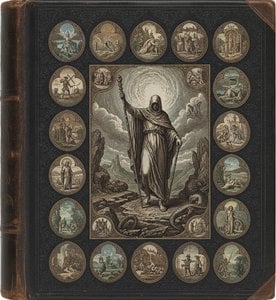
Življenje v Senci in Svetlobi: Gustave Doré
Paul Gustave Louis Christophe Doré, bolj znan kot Gustave Doré, je bila izjemna osebnost, ki je s presenetljivo virtuoznostjo združevala ilustracijo, slikarstvo in kiparstvo. Rodil se je leta 1832 v Strasbourgu in njegovo življenje potekalo v obdobju velikih družbenih in umetniških sprememb, ko je romantični idealizem počasi odstopal novim trendom realizma in simbolizma. Že kot otrok je razkazoval izjemen talent – ne le za risanje, ki ga je začel zelo zgodaj, ampak tudi osebnost, ki je napovedovala dramatično noto, ki jo je zaznamovala njegova dela. Legende pripovedujejo o mladostniškem željnem raziskovanju sveta in izzivih avtoriteti, ki so presenetili z dozorelostjo ter napovedovali kompleksne in pogosto melanholične teme, ki so se prepletale skozi njegovo umetnost. Že pri petnajstih letih je začel svojo poklicno pot kot karikaturist za francoski časopis *Le Journal pour rire*, kjer je brusil svoje veščine opazovanja in kompozicije v živahnem svetu pariškega satire.
Od Karikature do Literarnih Velikanov: Vzpon Ilustratorja
Njegove zgodnje naloge so tlakovale pot k prihodnji slavi. Dela, kot so *Les Travaux d'Hercule* (1847), *Trois artistes incompris et mécontents* (1851) in *Les Dés-agréments d'un voyage d'agrément* (1851), so razkazovala njegov talent za dinamično kompozicijo in mojstrsko uporabo svetlobe in sence, celo v teh relativno skromnih začetkih. Globoko ga je navdihoval J.J. Grandville, katerega fantastične podobe in satirični pristop so resonirali z Doréjevim razvijajočim se slogom. Vendar pa je bila to sodelovanje z literarnimi velikani tisto, kar mu je prineslo resnično priznanje. Leta 1853 je prejel naročilo za ilustracijo del lorda Byrona, kar mu je odprlo vrata do številnih prestižnih projektov. Sledila je monumentalna naloga ilustriranja Biblije, projekt, ki je utrdil njegov ugled in njegovo umetnost predstavil široki mednarodni občinstvu. Njegove ilustracije Cervantesa *Don Quixote* v šestdesetih letih 19. stoletja so bile posebej izjemne, globoko pa so vplivale na kasnejše interpretacije likov in pripovedi. On ni le ilustriral teh zgodb; jih je ponovno ustvarjal, napolnil z dramatično intenzivnostjo, ki je osredotočila domišljijo bralcev po vsem svetu. Obsejna izdaja Edgarja Allana Poea “The Raven”, zaključena leta 1883, mu je prinesla kar 30.000 frankov od Harper & Brothers, kar dokazuje komercialni uspeh in umetniško priznanje, ki ga je dosegel. Njegovo sodelovanje z Blanchardom Jerroldom pri *London: A Pilgrimage* (1872) je bilo posebej ganljivo in kontroverzno delo, ki je prikazovalo surove realnosti viktorijanske revščine Londona in sprožilo razprave o družbenih razmerah.
Mojster Tehnike: Lesorez in Romantični Vidik
Doréjeva umetniška genialnost ni le v njegovem domišljavskem vidiku, temveč tudi v tehničnem mojstrstvu, zlasti pri lesorezu. Imel je izjemno sposobnost ustvarjanja izredno podrobnih in dramatičnih slik s to tehniko, kar mu je omogočalo množično proizvodnjo in široko razširjanje njegovega dela. Njegove kompozicije so zaznamovane z dinamiko, močnimi kontrasti med svetlobo in senco – tehnika, znana kot chiaroscuro – ter občutkom veličine, ki pogosto vzbuja čudenje ali celo strah. Pogosto je zaposloval veliko ekipo rezalcev blokov, da bi njegove načrte pretvorili v lesoreze, kar je omogočalo učinkovitost proizvodnje, potrebno za izpolnitev zahtev založnikov in bralcev. Njegov slog trdno temelji na romantični tradiciji, ki poudarja čustva, domišljijo in sublimnost – fascinacijo z močjo narave in človeškega stanja. On ni le posnel prizorov; jih je interpretiral skozi prizmo povečanih čustvenosti in dramatičnega sloga. Ta pristop, čeprav ga je slavilo veliko ljudi, je spodbudil tudi kritike, ki so njegovemu stilu očitali pretiranost ali senzacionalizem.
Zapuščina in Trajni Vpliv
Gustave Doré je prejel čast, da je bil leta 1861 imenovan za Chevalierja Legije časti s strani francoske vlade, kar je dokaz njegovega vse večjega priznanja v umetniških krogih. Kljub temu se njegova prava zapuščina razteza daleč onkraj nagrad in odlikovanj. Njegove ilustracije so imele globok vpliv na vizualno kulturo, navdihujoč umetnike in bralce že generacije. Vincent van Gogh je bil med tistimi, ki so bili močno navdihnjeni z Doréjevim delom, zlasti s prikazi trpljenja in stiske, kjer je prepoznal skupno občutljivost do usode človeštva. Kljub nekaterim kritikami v času njegovega življenja – nekateri so našli njegov slog pretiran ali brez subtilnosti – Doréjevo delo zdaj cenijo zaradi umetniške vrednosti in zgodovinske pomembnosti. Njegove ilustracije še vedno oblikujejo naše razumevanje klasične literature in viktorijanske družbe, ponujajo močan vizualni interpretaciji brezčasnih zgodb in trajnih tem. Umrl je 23. januarja 1883 in za seboj pustil obsežno delo, ki še vedno očara in navdihuje.
Njegova umetnost ostaja priča moči ilustracije ne le prikazati, ampak tudi interpretirati in transformirati svet okoli nas.
Znana dela
- Prodajalci cvetja v Londonu (1875): Ganljivo upodabljanje viktorijanske revščine in odpornosti, ki prikazuje družbene vezi sredi stiske.
- Krščanski mučenci: Dramatično mojstrovina, ki prikaže vero in preganjanje z močnim čustvom.
- Ilustracije za Dantejevo Inferno: Morda njegovo najbolj ikonično delo, te gravure so oživele strašne vizije Dantejeve peklene doline s primerljivo intenzivnostjo.
- Ilustracije za Miltonov Izgubljeni raj: Doréjeva interpretacija tega epskega pesništva je znana po svoji veličini in dramatičnem slogu.
- Šežeči Jud (1856): Priljubljeno delo, čeprav vsebuje antisemitistične podtome, ki odražajo obdobje.



 Predogled
 Kupi ročno naslikano sliko
 Pošlji
 Deli
Deli
 Podrobnosti o delu

 Prenesi
 Podobni izdelki
 Rentgenski posnetek
 Predvajaj diaporama
 Statistika

 Razviljaj več






































 Možnost stekla je na voljo le za velikosti pod 110 cm