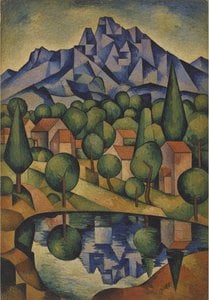
Biografija umetnika
Paul Cézanne: Med Impresionizmom in Kubizmom – Vizija, ki je Preoblikovala Umjetnost
Paul Cézanne, rojen leta 1839 v Aix-en-Provence, stoji kot pomemben lik, ki premoščuje razloček med minljivimi vtisi impresionizma in fragmentiranimi oblikami kubizma. Njegovo potovanje ni bilo zaznamovano z hitrim priznanjem; bolj je bila to počasen proces umetniškega raziskovanja, obarvan s časmi samozavesti in kritičnega zavračanja, ki se je končno izšlo v dediščini, ki bo za vedno spremenila pot moderne umetnosti. Rojen v uspešni družini – njegov oče sprva klobčar, nato pa bankir – je Cézanne užival v finančni varnosti, ki je bila redka med ambicioznimi umetniki, kar mu je omogočalo, da se posveti svoji strasti brez takojšnjih pritiskov komercialnega uspeha. Čeprav ga je njegov oče sprva usmerjal k pravni karieri, je moč umetniškega izražanja bila prevelika, in je kmalu zapustil pravo, da bi se posvetil slikanju – odločitvi, ki je definirala njegovo življenje. V začetku so ga vplivali romantični trendi njegove mladosti ter zavezanost Barbizonske šole pokrajini, vendar je bilo ravno srečanje z umetniki kot sta Paul Gauguin in Georges Seurat, s svojimi inovativnimi pristopi k barvi in obliki, tisto, kar je Cézanne začel krmariti po svoji lastni, značilni poti.
Od Teme do Strukture: Razvoj Stil
Cézannova zgodnja dela so pogosto odražala dramatične, čustveno nabijene teme, ki so bile značilne za romantično slikarstvo – platna sta prevladovali temačna paleta in izrazni potezi čopiča. Vendar je bila ta začetna faza le korak k bolj analitičnemu in prelomnemu pristopu. Razočarovan nad zgolj zajemanjem minljivih svetlobnih vtisov, kot so to cenili impresionisti, se je Cézanne odpravil na iskanje razumevanja in upodobitve osnovne strukture predmetov. Ni želel prikazati le *kaj* vidi, temveč tudi *kako* dojema temeljne oblike, ki sestavljajo resničnost. To ga je pripeljalo do razgradnje naravnih oblik na njihove geometrijske ekvivalente – stožce, valje in sfere – s čimer je predhodil kubistični revoluciji desetletja prej. Njegova tehnika se je zaznamovala z majhnimi, ponavljajočimi se potezami čopiča, skrbno naloženimi, da bi ustvarile kompleksna barvna polja in teksture, kar je ustvarjalo občutek trdnosti in globine, ki je bila v slikarstvu doslej neznana. Ni bil zainteresiran za iluzionistični prostor; pogosto je namesto tega predstavljal predmete iz več perspektiv hkrati, s čimer je izzval tradicionalne pojme perspektive in prisilil gledalca, da aktivno sodeluje pri konstruirani naravi njegovih kompozicij. Ta namenoma izvrteno popačenje ni bilo arbitrarno, temveč poskus prenesti bolj celovito razumevanje oblike, predstaviti ne le en sam trenutek v času, ampak sintezo percepcije.
Pokrajine, Natrpe in Človeška Figura: Ključna Dela in Ponavljajoči se Motivi
Cézannovo delo je izjemno raznoliko, obsega pokrajine, natrpje, portrete in prikaze kopljivk, vendar so vsa združena z njegovim edinstvenim pristopom k obliki in barvi. Reka v Jas de Bouffan, naslikana leta 1880, ponazori njegovo delo na področju pokrajin, pri čemer prikazuje njegovo sposobnost zajeti bistvo narave s skrbnim razporeditvijo oblik in tonov. Portret Émilea Zole, nastal leta 1866, razkriva njegov razvijajoči se slog in ponuja prepričljiv vpogled v intelektualno intenzivnost njegovega bliskega prijatelja in pisatelja. Njegovi natrpi, kot so tisti s sadjem in kuhinjskimi pripomočki, niso le upodobitve predmetov, temveč raziskovanja volumna, svetlobe in prostorskih odnosov. Serija Mont Sainte-Victoire je postala obsedenost Cézanna, ponavljajoči se motiv, ki mu je omogočil neprestano preučevanje oblike in perspektive skozi desetletja. Ta dela niso le prikazi gore; so študije o tem, kako zaznavamo globino, volumen ter igro svetlobe in sence. Nazadnje njegova serija Kopljivke, ki prikazuje gole figure v idiličnih pokrajinah, predstavlja poglobljeno raziskovanje človeške oblike in njene povezanosti z naravo, pogosto prežeta s čutom brezčasnosti in tihe kontemplacije.
Dediščina Oblikovanih v Inovacijah: Cézannov Vpliv na Moderno Umetnost
Vpliv Paula Cézanna na prihodnje generacije umetnikov je neizmeren. Široko velja za "očeta moderne umetnosti" zaradi njegovih prelomnih prispevkov k slikarski govorici, ki so utrli pot mnogim od glavnih umetniških gibanj 20. stoletja. Pablo Picasso in Georges Braque sta bila globoko dolžna Cézannovemu poudarjanju geometrijskih oblik in več perspektiv, ki so postala osrednja načela kubizma. Njegova kretnica z barvo je navdihnila tudi gibanje Fauv, katerega vodja je bil Henri Matisse, ki je sprejel žive, ne-naravne odtenke. Celo surrealistični umetniki so našli resonanco v Cézannovem raziskovanju subjektivne percepcije in psihološke globine. Poleg specifičnih gibanj je Cézannova vztrajnost na osebni viziji umetnika in zavrnitev tradicionalnih akademskih omejitev osvobodila generacije slikarjev, da raziskujejo nove oblike izražanja. Izpodbijal je sam definicijo reprezentacije, s čimer je preusmeril pozornost z posnemanjem resničnosti na konstruiranje vizualne izkušnje, ki temelji na osnovni strukturi in subjektivni percepciji. Njegova smrt leta 1906 ni pomenila konca, temveč začetek – zoro nove dobe v zgodovini umetnosti, ki jo je globoko zaznamovala njegova revolucionarna vizija.



 Preverite v realnem okolju
 Preklop na tiskanine
 Pošlji kot čestitko
 Deli
Deli
 Podrobnosti
 Navodila

 Prenesi
 Podobni artefakti
 Rentgenski posnetek
 Predvajaj diaporama
 Statistika


 Preberi več






































 Možnost stekla je na voljo le za velikosti pod 110 cm