


 EtchingWallArtMannerist Painting
 331.0 x 240.0 cm
 Grafična zbirka Alberti
Giclée ali platnati odtis muzejske kakovosti z hitro proizvodnjo in prilagodljivimi možnostmi končne obdelave. ( Kupi ročno naslikano sliko Kupi digitalno sliko)





























Izberite eno od naših vnaprej določenih velikosti, ki ustrezajo prvotnim proporcijam umetničkega dela.

Svoje dimenzije lahko vnesete sami, da bodo ustrezne za določen okvir ali prostor. Če izbrana velikost ne bo skladna z razmerji izvirne slike, bomo umetniško delo orezali ali podaljšali s pomočjo ogledalnega odraza ali barvno polnega roba. Pred začetkom proizvodnje vam bomo poslali digitalni predogled za potrditev.
Upoštevajte, da predogled na zaslonu ne prikazuje dejanskega orezovanja ali podaljševanja. Le digitalni predogled bo natančno prikazal končno kompozicijo.
Čeprav so na voljo prilagojene velikosti, priporočamo izbiro dimenzije s predhodno določenega seznama, da ohranite prvotna razmerja.
Globalna dostava () v 2 tednih namesto standardnih 4/5 tednov. (7 september)


Deposition
Velikost reprodukcije
Parmigianino's "Deposition," a haunting etching from around 1540, isn’t merely a depiction of a biblical scene; it’s an exquisitely rendered meditation on grief, loss, and the profound weight of human suffering. Created during the tumultuous transition between the High Renaissance and Mannerism, this work embodies the stylistic shift towards heightened emotion, elongated forms, and a deliberate distortion of reality that would define the era. The piece immediately draws the viewer into a scene saturated with sorrow – a palpable atmosphere of mourning hangs heavy over the figures arranged within its tightly constructed composition.
The subject itself—the removal of Christ’s body from the cross—is one steeped in religious significance, yet Parmigianino elevates it beyond simple narrative. He doesn't offer a triumphant resurrection or a heroic sacrifice; instead, he presents a raw and vulnerable portrayal of the immediate aftermath. The figures surrounding the prone form of Jesus are not idealized saints but ordinary individuals – mourners, family members, and witnesses to this devastating event—each etched with expressions of profound grief. Their postures, subtly elongated and deliberately unbalanced, reflect the instability and emotional turmoil at the heart of the scene.
Parmigianino’s mastery lies in his command of etching technique. The intricate network of fine lines, meticulously rendered with astonishing precision, creates a remarkable sense of texture and depth. Cross-hatching is employed liberally to build up areas of shadow, lending the scene an almost sculptural quality. Notice how the artist uses varying line weights – bold strokes defining the contours of clothing and faces, delicate tracings suggesting the folds of fabric and the fragility of human form. This deliberate manipulation of line isn’t about realistic representation; it's about conveying emotion and atmosphere through a carefully orchestrated visual language.
Beyond its technical brilliance, “Deposition” is rich in symbolic meaning. The cloudy sky above—a recurring motif in Parmigianino’s work—evokes a sense of foreboding and impending doom. The landscape below, rendered with stark simplicity, provides a desolate backdrop to the scene of mourning. The figures themselves are not simply witnesses; they represent humanity's shared experience of loss and vulnerability. The overall effect is profoundly moving, inviting viewers to contemplate the nature of grief, faith, and mortality.
“Deposition” stands as a testament to Parmigianino’s artistic genius and his pivotal role in shaping the course of Mannerist painting. Reproductions offer an accessible way to experience this extraordinary work, allowing its beauty and emotional depth to be appreciated by a wider audience. When selecting a reproduction, consider the quality of the print – archival materials and meticulous attention to detail are essential to faithfully capturing the nuances of Parmigianino’s original etching. This piece remains a powerful reminder of the enduring capacity of art to evoke profound emotions and illuminate the complexities of the human condition.


1503 - 1540 , Italija
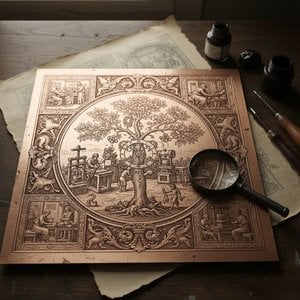
Explore the intricate world of etching and intaglio printmaking. Discover how masters use acid and metal to create profound textures and lines, from Romanticism to modern era, through an expert lens of art history and technical mastery.

Explore the dramatic evolution of Northern Mannerism. Discover how masters like Bosch and Grünewald transitioned from Renaissance harmony to profound, elegant distortion through an expert analysis of symbolism, emotional intensity, and artistic innovation.

Unveil the captivating world of Mannerism. Our expert analysis explores the transition from Renaissance harmony to the profound, elegant distortions of masters like El Greco, offering deep insights into one of art history's most influential and enigmatic eras.

 Predogled
 Pošlji
 Deli
Deli
 Podrobnosti o delu

 Prenesi
 Podobni izdelki
 Rentgenski posnetek
 Predvajaj diaporama
 Razviljaj več







 Možnost stekla je na voljo le za velikosti pod 110 cm


