Umetniška dela, prikazana na tej strani, so zaščitena z avtorskimi pravicami, kar pomeni, da po zakonu ne moremo ustvarjati ali prodajati identičnih reprodukcij. Ta zaščita se izvaja v skladu z mednarodnimi sporazumi, kot so Bernska konvencija in po nacionalnih zakonih, vključno s tistimi, ki jih določa Zakon o avtorskih pravicah ZDA – naslov 17.
Ta način v celoti upošteva zakonodajo o avtorskih pravicah, saj ne vključuje kopiranja ali podvajanja zaščitenga umetniškega dela. Namesto tega gre za kreativno preinterpretacijo – novo sliko, ki je navdihnjen rezultat originala, vendar ni z njim identična.
Giclée ali platnati odtis muzejske kakovosti z hitro proizvodnjo in prilagodljivimi možnostmi končne obdelave. ( Kupite ročno slikano delo Preklop na digitalno sliko)





























Izberite eno od naših vnaprej določenih velikosti, ki ustrezajo prvotnim proporcijam umetničkega dela.

Vnesite širino in višino, ki jih potrebujete za svoj okvir ali steno. Tiskanje se lahko le odreže, vendar ga ni mogoče narediti večjega od slike, zato format z drugačno obliko pomeni izgubo dela slike. Pred tiskanjem vam pošljemo digitalni predogled za potrditev. Slika, prikazana na tej strani, ne prikazuje dejanskega izrezka — le predogled to omogoča.
Globalna dostava () v 2 tednih namesto standardnih 4/5 tednov. (8 november)
Three ballerinas
Velikost reprodukcije
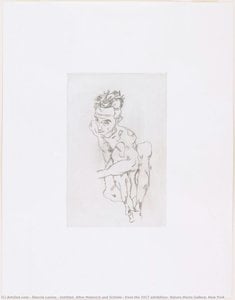
In the quiet, monochromatic depths of Pablo Picasso’s 1919 masterpiece, Three Ballerinas, we encounter a moment where the elegance of classical dance meets the radical disruption of the modern age. This exquisite pencil drawing serves as a profound window into the artist's transformative years, capturing a period when he was actively dismantling the boundaries of traditional representation. The artwork does not merely depict three dancers; it orchestrates a visual dialogue between movement and stillness, grace and geometry. As the eye wanders across the paper, one is struck by the way Picasso uses the language of Cubism to deconstruct the human form, turning the fluid motion of ballet into a captivating arrangement of intersecting planes and rhythmic lines.
The composition is masterfully anchored by a triangular arrangement that guides the viewer through a landscape of shifting perspectives. The ballerinas, poised in dynamic and athletic stances, are not rendered with the soft, idealized realism of the past; instead, they are reimagable as architectural elements of a larger, more complex truth. Picasso’s use of fragmentation allows us to perceive multiple viewpoints simultaneously, a hallmark of his revolutionary style. Amidst this dance of forms, a subtle yet poignant inclusion of a clock in the upper right corner introduces a temporal dimension, reminding us that even the most breathtaking moment of performance is subject to the relentless passage of time.
Technically, Three Ballerinas is a triumph of tonal nuance and textural depth. Eschewing the distraction of color, Picasso relies entirely on a sophisticated palette of grays, ranging from the deepest, most velvety blacks to the lightest, ethereal whites. This monochromatic approach lends the piece a stark, dramatic intensity that is particularly suited for high-end interior curation. Through the meticulous application of hatching and cross-hatching, the artist breathes life into the paper, creating a sense of volume and weight within the dancers' limbs while simultaneously capturing the delicate, airy quality of their costumes.
The interplay of line weights is nothing short of poetic. Bold, decisive strokes delineate the structural essence of the figures, providing a skeletal strength to the composition, while softer, more delicate marks suggest the flowing fabric of the tutus and the subtle musculature of the dancers. For the discerning collector or interior designer, this piece offers a unique versatility; its sophisticated grayscale tones allow it to integrate seamlessly into both minimalist modern galleries and richly textured, classical spaces. It is an artwork that does not demand attention through loudness, but rather commands it through a quiet, intellectual complexity that rewards repeated observation.
Beyond its formal brilliance, the emotional impact of Three Ballerinas lies in its ability to evoke the tension between stability and change. To possess or display such a work is to invite a piece of art history's most significant revolution into one's environment. The deconstruction of the dancers symbolizes a broader cultural shift—the breaking away from old certainties toward a more fragmented, multifaceted understanding of reality. It is an evocative piece that speaks to themes of athleticism, beauty, and the ephemeral nature of life.
For those seeking to adorn a space with art that inspires deep thought and aesthetic pleasure, this reproduction offers a rare opportunity to engage with the spirit of Picasso at his most experimental. Whether placed as a focal point in a contemporary study or used to add a layer of historical depth to a sophisticated living area, Three Ballerinas remains a timeless testament to the power of movement, the precision of line, and the enduring legacy of the Cubist movement.
"Three ballerinas" avtorja Pablo Picasso izraža Melancholic čustven ton.
"Three ballerinas" avtorja Pablo Picasso ima Luminous luminanco. Luminanca opisuje, koliko svetlobe se zdi, da barve odražajo.
V delu "Three ballerinas" se tehnika Pencil srečuje z gibanjem Cubist Influence.


1881 - 1973 , Španija
Journey through the vibrant world of Cubist Expressionism. Explore 10 iconic masterpieces, their bold techniques, and the stories behind these timeless works. Find museum-quality art reproductions and decor inspiration for your space. Discover all masterpieces on WahooArt.com.

Journey through the revolutionary world of Cubism. Explore 10 iconic masterpieces by legends like Picasso and Braque that redefined modern art. Find inspiration for your collection with our museum-quality reproductions. Discover all masterpieces on WahooArt.com.

Explore the profound evolution of Cubist landscapes. Discover how masters like Braque and Picasso redefined perspective through geometric mastery, transforming nature into an intellectual mosaic of form and light for the discerning modern art collector.
 Predogled v realnem okolju
 Pošlji
 Deli
Deli
 Podrobnosti o delu
 Priročnik

 Prenesi sliko
 Podobni izdelki
 Rentgenski posnetek
 Predvajaj diaporama
 Vprašanja in odgovori
 Statistika

 Preberi več









 Možnost stekla je na voljo le za velikosti pod 110 cm