BREZPLAČNO POSVETOVANJE O UMETNOSTI

x
Kupi tiskanino Kupi tiskaninoKupi digitalno sliko Kupi digitalno sliko PošljiPošlji
PodrobnostiPodrobnosti Dodaj v priljubljene Dodaj v priljubljene PrenesiPrenesi Podobni izdelkiPodobni izdelki Rentgenski posnetekRentgenski posnetek Predvajaj diaporamaPredvajaj diaporama

Nasturtiums

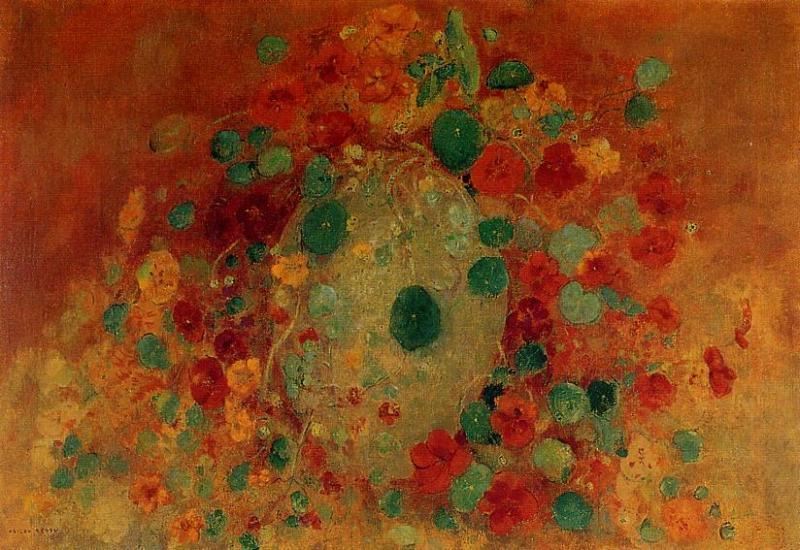
Nasturtiums by Odilon Redon (1912) is a captivating Symbolist painting featuring a woman’s face amidst flowers and a striking red hue background. Inspired by Henri Matisse and Sun Zong-Wei, explore its legacy at Yale University Art Gallery.

Odilon Redon je francoski simbolistični umetnik znan po svojih zadnjih umetniških dosežkih, ki so oblikovali zgodovino moderne umetnosti. Znani smo po njegovih tematskih slikah, kjer je umetnik uporabljal črno barvo kot sredstvo za izražanje emocij in prikazoval fantastične svetovne slike. Redon je vodilni predstavnik simbolizma, ki je spremenil način gledanja na umetnost skozi zgodovino.

Ročno izdelana oljna reprodukcija

Ročno slikano olje na platnu v vaši izbiri velikosti in okvirja, izdelano po naročilu naših umetnikov.

P118B $10
P118H $10
P118W $10
P438Z $10
P508JH $12
P508YH $12
P805H $10
P805Z $10
P919BZ $10
P919G $10
P919XJ $10
P959ZH $10
P968JZ $12
W106C $8
W218G $10
W218JH $8
W218Y $10
W307PJ $10
W316G $10
W316PJ $8
W316Y $10
W398PJ $8
W4111J $10
W500HY $15
W500JH $15
W692G $12
W849H $8
W940BG $15
W953PJ $8

Standard
custom
CM
INCH

Izberite eno od naših vnaprej določenih velikosti, ki ustrezajo prvotnim proporcijam umetničkega dela.

širina
višina

Svoje dimenzije lahko vnesete tako, da se prilagodite določenemu okvirju ali prostoru. Če izbrana velikost ne ustreza razmerjem originalne slike, bomo umetniško delo obrezali ali sliko dopolnili z dodatnimi ročno naslikanimi elementi. Pred začetkom proizvodnje vam bo poslan digitalni osnutek v odobritev.
Upoštevajte, da predogled na zaslonu ne odraža dejanskega obrezovanja ali podaljšanja. Le osnutek bo natančno prikazal končno kompozicijo.
Čeprav so na voljo velikosti po meri, priporočamo izbiro dimenzije s preddefiniranega seznama, da ohranimo originalne razmere.

Primeri možnih sprememb: Zamenjava obraza s fotografijo stranke; Dodajanje hišnega ljubljenčka (npr. zamenjava mačke s psom); Vključitev skritega sporočila v ozadje; Sprememba pokrajine ali elementov v ozadju.
Po oddaji naročila bo ekipa WahooArt.com stranki po e-pošti poslala navodila in predogled digitalnega predogleda.

Svetska dostava () za 3/4 nedelje umesto uobičajenih 5 nedelja. (3 julij). Bez kompromisa po pitanju kvaliteta.

why_choose_icon
Brezplačna ekspresna dostava po vsem svetu
why_choose_icon
Visokokakovostno laneno platno
why_choose_icon
Popolno zavarovanje pošiljke
why_choose_icon
Garancija povračila carine in uvoznih davkov
why_choose_icon
Garancija popolnega ujemanja barv
why_choose_icon
60-dnevna politika vračanja (le v primeru napak)
why_choose_icon
Garancija 100% povračila denarja
why_choose_icon
Popust pri večjem naročilu

Skupna cena

-

reproduction

Nasturtiums

Tehnika reprodukcije

Velikost reprodukcije

-

Skupna končna cena

-

Ključni podatki

  • Notable elements or techniques: Bold colors, delicate brushstrokes
  • Movement: Symbolist
  • Artist: Odilon Redon
  • Title: Nasturtiums
  • Medium: Oil on canvas
  • Year: 1912
  • Influences: Henri Matisse

Opis umetninine

Nasturtiums by Odilon Redon: A Dreamscape of Floral Symbolism

The painting Nasturtiums by Odilon Redon is a captivating piece of art that showcases the artist’s unique style and technique. Created in 1912, this oil on canvas painting is a prime example of Symbolist art, characterized by its use of vibrant colors and dreamlike imagery. The painting features a woman's face surrounded by flowers, with a necklace made from the same flowers, creating a sense of harmony and balance. This evocative composition transcends mere representation; it delves into the subconscious mind, mirroring the artist’s fascination with exploring hidden emotions and spiritual truths—a hallmark of the Symbolist movement.
  • Artist & Context: Odilon Redon (1840-1916) emerged as a pivotal figure in French Symbolism, reacting against the materialism of Impressionism and embracing esoteric influences. His artistic vision sought to capture intangible realities—dreams, myths, and spiritual experiences—rather than objective depictions of the external world.
  • Style & Technique: Redon’s distinctive style is instantly recognizable by its muted palette dominated by earthy reds and browns, punctuated by delicate floral hues. He employed a meticulous technique utilizing thin glazes of oil paint layered upon canvas to achieve remarkable luminosity and textural depth. This painstaking process allowed him to convey an atmosphere of melancholy and contemplation.
  • Symbolism & Imagery: The central motif—a woman’s face intertwined with flowers—holds profound symbolic significance. Flowers, particularly nasturtiums, represent beauty, fragility, and rebirth – themes frequently explored by Redon. The necklace mirroring the floral arrangement symbolizes unity and interconnectedness, suggesting a harmonious relationship between humanity and nature.
  • Location & Legacy: Currently housed at Yale University Art Gallery in Hartford, United States, Nasturtiums exemplifies Redon’s enduring influence on modern art. Its ethereal beauty continues to inspire artists and collectors alike, cementing its place as a cornerstone of Symbolist aesthetics.

Similar Works & Artists: Exploring the Realm of Dreams

Redon's artistic explorations resonated with fellow Symbolists like Henri Matisse, whose painting Nasturtiums with 'La Danse' similarly utilizes bold colors and floral motifs to convey emotion and movement. Matisse’s approach shares Redon’s commitment to capturing subjective experience—a desire to express inner feelings rather than external appearances. Furthermore, Sun Zong-Wei’s paintings demonstrate a comparable preoccupation with fantastical landscapes and symbolic imagery, reflecting the broader spirit of Symbolist art's quest for spiritual illumination.

Discover More About Odilon Redon & His Inspirations

To delve deeper into Redon’s artistic journey and his profound engagement with mythology and folklore, visit https://WahooArt.com. Explore articles detailing his fascination with Japanese prints—a significant influence on his visual vocabulary—and discover reproductions of his celebrated masterpieces like Nasturtiums and Pandora. You can find detailed information about Yale University Art Gallery and its impressive collection of modern and contemporary art at https://YaleArtGallery.org/.

Experience the Beauty of Symbolist Art

Nasturtiums by Odilon Redon stands as a testament to the power of imagination and artistic vision—a timeless masterpiece that invites viewers into a realm beyond the visible, fostering contemplation and appreciation for the sublime.

Sorodna umetniška dela


Biografija umetnika

Odilon Redon (1840-1916), Between Shadow and Light

Odilon Redon, born Bertrand Jean Redon in Bordeaux, France, was an artist perpetually drawn to translate the unseen realms of imagination and dream into tangible form. His artistic journey began not with grand ambition but with quiet observation; at just ten years old he won a drawing prize—a foreshadowing of the visual sensitivity that would define his life’s work. Though initially steered towards architecture by familial expectations, Redon's true calling lay elsewhere, illuminated by instruction from Jean- Léon Gérôme and Rodolphe Bresdin, who guided him in the intricate arts of etching and lithography. These techniques became foundational to his early explorations, allowing him to delve into a world of shadowy figures and ambiguous forms that would soon captivate those seeking an alternative to academic realism. The interruption of the Franco-Prussian War saw Redon briefly serving in the military, but it was upon his return to Paris that his artistic vision truly began to coalesce. ## Early Life & Artistic Formation: A Childhood Shaped by Observation and Inspiration Bertrand Jean Redon’s formative years were marked by a profound connection with nature—a connection that would profoundly influence his artistic sensibilities. Raised in Bordeaux, he experienced a childhood largely secluded from the bustle of urban life, spending considerable time at his family estate near Peyrelebade, where he cultivated an intimate understanding of the landscape and its rhythms. This early exposure to visual stimuli fostered a sensitivity to light and shadow—elements that would become central to Redon’s distinctive style. At eleven, he secured a drawing prize at school, demonstrating exceptional talent from a young age. Recognizing his aptitude for art, his father encouraged him to pursue architectural studies in Paris, though Redon ultimately abandoned this path after failing the École des Beaux-Arts entrance examinations. Nevertheless, he continued to refine his artistic skills under Jean Léon Gérôme’s tutelage, absorbing influences from Impressionism and Realism—though he steadfastly rejected their commitment to objective representation. His encounter with Rodolphe Bresdin proved pivotal, introducing him to the art of etching and lithography—techniques that would become indispensable tools for exploring his imaginative vision. ## The Birth of Symbolism: ‘Noirs’ and Early Visions – Monochrome Explorations of the Subconscious Redon's artistic breakthrough arrived in 1879 with the publication of *Dans le rêve* (In the Dream)—his first album of lithographs printed by Lemercier—a series that immediately established him as a significant voice within Symbolism. These monochrome compositions, known as “noirs,” were executed primarily in charcoal and lithography, representing a radical departure from prevailing artistic trends. Unlike traditional landscapes or portraits, Redon’s “noirs” eschewed realistic depiction, instead prioritizing the evocative power of darkness to convey psychological states—an approach deeply rooted in the Symbolist preoccupation with the subconscious mind. Influenced by writers like Edgar Allan Poe and Charles Baudelaire—who shared a fascination for the macabre, the mysterious, and suggestion—Redon’s “noirs” populated swirling mists with strange creatures, disembodied eyes, and haunting figures emerging from obscurity. These works weren't initially embraced by critics or collectors; Redon remained largely unknown for years, despite his unwavering dedication to his craft. However, a crucial turning point occurred in 1884 when Joris Karl Huysmans’ novel *À rebours* catapulted him into the spotlight—the story featured a decadent aristocrat who collected Redon's drawings, validating his artistic vision and attracting considerable attention from avant-garde intellectuals. ## Mastering Lithography & Exploring Mythological Themes – Technique and Imagination Converge Redon’s mastery of lithography was unparalleled; he meticulously crafted each plate to achieve the desired tonal range and textural effects—a testament to his technical skill and unwavering commitment to artistic innovation. He skillfully combined observation with imagination, drawing inspiration from diverse sources—including Hindu poetry and Japanese art—to create works that transcended mere visual representation. Recurring motifs—such as the “eye balloon,” a symbol of contemplation and spiritual awareness—and depictions of mythological figures—particularly those drawn from Greek mythology—became hallmarks of his oeuvre. Redon’s artistic explorations extended beyond traditional landscapes and portraits, delving into realms of fantasy and psychological introspection. He sought to capture not just what he saw but also what he felt—a principle that underpinned his entire creative process. His meticulous attention to detail—particularly in capturing the nuances of light and shadow—contributed significantly to the haunting beauty and emotional resonance of his paintings and prints. ## Legacy & Influence: A Precursor to Surrealism – Redon’s Enduring Impact on Modern Art Odilon Redon's influence on subsequent generations of artists is undeniable. He served as a pivotal figure in Symbolism, paving the way for Surrealist experimentation with dreamlike imagery and irrationality—artists like Marcel Duchamp and Max Ernst recognized Redon’s profound contribution to artistic thought. His exploration of psychological states—particularly anxiety and melancholy—resonated deeply with Expressionist painters who sought to convey emotion through distorted forms and vibrant colors. Furthermore, Redon's meticulous technique—characterized by masterful lithography and a nuanced understanding of tonal gradation—served as an inspiration for artists across various disciplines. He was awarded the Legion of Honor in 1903, cementing his reputation as one of France’s most distinguished painters. His work gained international acclaim during the Armory Show in New York City in 1913—a landmark event that introduced modern art concepts to American audiences. Redon died peacefully in Paris in 1916, leaving behind a legacy of artistic innovation and enduring beauty—a testament to his unwavering dedication to exploring the depths of human experience through visionary imagination.
Odilon Redon

Odilon Redon

1840 - 1916 , Francija

Hitri podatki

  • Artistic Movement Or Style: Simbolizem
  • Artists Or Movements Influenced By This Artist:
    • Surrealizm
    • Marcel Duchamp
  • Artists Who Influenced This Artist:
    • Jean-Léon Gérôme
    • Rodolphe Bresdin
  • Date Of Birth: 1840
  • Full Name: Odilon Redon
  • Nationality: Francoski
  • Notable Artworks:
    • Centaurs
    • Onnes
    • Portrait of Ari Redon
  • Place Of Death: Pariz
Raziščite umetniška dela, razvrščena po temah, slogih in značilnostih.