Preverite v realnem okolju Predogled v AR Preklop na tiskanine Preklop na digitalno sliko Pošlji kot čestitko
Podrobnosti Priročnik Dodaj v priljubljene Prenesi Podobni artefakti Rentgenski posnetek Predvajaj diaporama Statistika

The Extreme Unction

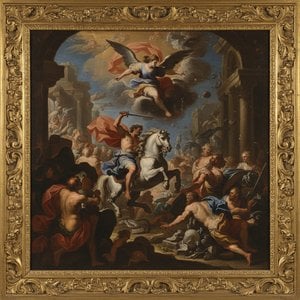
Experience Nicolas Poussin's 'The Extreme Unction,' a masterpiece of 17th-century French art. This oil painting captures a poignant scene with classical elegance and emotional depth – explore its history & beauty.

Nicolas Poussin je francoski mojster barokske umetnosti znan po spokojnih krajških slikah in mitoloških zgodbah, ki so navdihnjene klasiko. Odkrijte ikonične umetnosti na WahooArt.

Ročno izdelana oljna reprodukcija

Ročno slikano olje na platnu v vaši izbiri velikosti in okvirja, izdelano po naročilu naših umetnikov. ( Preklop na tiskanine Preklop na digitalno sliko)

Corner sample of the P118B picture frame: izoblit polistiren, 5 cm wide and 3 cm thick
P118B €10
Corner sample of the P118H picture frame: izoblit polistiren, 5 cm wide and 3 cm thick
P118H €10
Corner sample of the P118W picture frame: izoblit polistiren, 5 cm wide and 3 cm thick
P118W €10
Corner sample of the P438Z picture frame: izoblit polistiren, 5.5 cm wide and 3.5 cm thick
P438Z €10
Corner sample of the P508JH picture frame: izoblit polistiren, 7 cm wide and 3.5 cm thick
P508JH €12
Corner sample of the P508YH picture frame: izoblit polistiren, 7 cm wide and 3.5 cm thick
P508YH €12
Corner sample of the P805H picture frame: izoblit polistiren, 5 cm wide and 3.5 cm thick
P805H €10
Corner sample of the P805Z picture frame: izoblit polistiren, 5 cm wide and 3.5 cm thick
P805Z €10
Corner sample of the P919BZ picture frame: izoblit polistiren, 7 cm wide and 3.5 cm thick
P919BZ €10
Corner sample of the P919G picture frame: izoblit polistiren, 7 cm wide and 3.5 cm thick
P919G €10
Corner sample of the P919XJ picture frame: izoblit polistiren, 7 cm wide and 3.5 cm thick
P919XJ €10
Corner sample of the P959ZH picture frame: izoblit polistiren, 5 cm wide and 3 cm thick
P959ZH €10
Corner sample of the P968JZ picture frame: izoblit polistiren, 6 cm wide and 4 cm thick
P968JZ €12
Corner sample of the W106C picture frame: masivno drevo, 5 cm wide and 3 cm thick
W106C €8
Corner sample of the W218G picture frame: masivno drevo, 5 cm wide and 3 cm thick
W218G €10
Corner sample of the W218JH picture frame: masivno drevo, 5 cm wide and 3 cm thick
W218JH €8
Corner sample of the W218Y picture frame: masivno drevo, 5 cm wide and 3 cm thick
W218Y €10
Corner sample of the W307PJ picture frame: masivno drevo, 6 cm wide and 3 cm thick
W307PJ €10
Corner sample of the W316G picture frame: masivno drevo, 6 cm wide and 3 cm thick
W316G €10
Corner sample of the W316PJ picture frame: masivno drevo, 6 cm wide and 3 cm thick
W316PJ €8
Corner sample of the W316Y picture frame: masivno drevo, 6 cm wide and 3 cm thick
W316Y €10
Corner sample of the W398PJ picture frame: masivno drevo, 5 cm wide and 3 cm thick
W398PJ €8
Corner sample of the W4111J picture frame: masivno drevo, 6.5 cm wide and 3.5 cm thick
W4111J €10
Corner sample of the W500HY picture frame: masivno drevo, 7 cm wide and 5 cm thick
W500HY €15
Corner sample of the W500JH picture frame: masivno drevo, 7 cm wide and 5 cm thick
W500JH €15
Corner sample of the W692G picture frame: masivno drevo, 8 cm wide and 4 cm thick
W692G €12
Corner sample of the W849H picture frame: masivno drevo, 5 cm wide and 3 cm thick
W849H €8
Corner sample of the W940BG picture frame: masivno drevo, 7.5 cm wide and 4.5 cm thick
W940BG €15
Corner sample of the W953PJ picture frame: masivno drevo, 6 cm wide and 3.5 cm thick
W953PJ €8

Standardna velikost
po meri
CM
INCH

Izberite eno od naših vnaprej določenih velikosti, ki ustrezajo prvotnim proporcijam umetničkega dela.

širina
višina

Vnesite širino in višino, ki jih potrebujete, da se slika prilega vašemu okviru ali steni. Ker je delo ročno slikano, lahko umetnik pri različnih oblikih slik pri robovih doda malo več barve ali pa jih malo odreže — izberite sami. Pred začetkom slikanja vam pošljemo digitalni predogled za potrditev. Slika, prikazana na tej strani, ni končni rezultat — le predogled prikazuje dejansko podobo.

Primeri možnih sprememb: Zamenjava obraza s fotografijo stranke; Dodajanje hišnega ljubljenčka (npr. zamenjava mačke s psom); Vključitev skritega sporočila v ozadje; Sprememba pokrajine ali elementov v ozadju.
Po oddaji naročila bo ekipa WahooArt.com stranki po e-pošti poslala navodila in predogled digitalnega predogleda.

Mednarodna dostava () v 3/4 tednih namesto običajnih 5 tednov. (26 oktober). Brez kompromisov pri kakovosti.

Brezplačna ekspresna dostava po vsem svetu
Visokokakovostno laneno platno
Popolno zavarovanje pošiljke
Garancija povračila carine in uvoznih davkov
Garancija popolnega barvnega ujemanja
Politika vračila v 100 dneh (le v primeru okvar)
Garancija 100% povračila denarja
Popust pri večjem naročilu

Skupna cena

€ 239

The Extreme Unction

Tehnika reprodukcije

Velikost reprodukcije

-

Skupna cena

€ 239

Hitri podatki

  • Medium: Oil on canvas
  • Artist: Nicolas Poussin
  • Influences: Raphael
  • Subject or theme: Sacrament of Unction
  • Year: 1640

The Profound Stillness of “The Extreme Unction”

Nicolas Poussin’s “The Extreme Unction,” painted in 1640, isn't merely a depiction of a religious ceremony; it’s a meticulously crafted meditation on mortality, faith, and the quiet dignity of human experience. This large-scale oil painting on canvas transcends its subject matter to become a profound exploration of the human condition, rendered with an almost unnerving stillness that draws the viewer into its intimate scene. Poussin, already establishing his signature style—a harmonious blend of classical restraint and Baroque emotional depth—presents us with thirteen figures gathered in a dimly lit chamber, each caught in a moment of contemplation or action surrounding the dying man’s final moments. The painting isn't loud or dramatic; instead, it whispers of sorrow, acceptance, and the enduring power of faith.

The scene unfolds within a room subtly defined by Poussin’s masterful use of chiaroscuro – the dramatic interplay of light and shadow. A single candle casts elongated shadows across the walls and floor, creating an atmosphere of solemnity and drawing our attention to the central figures. The composition itself is remarkably balanced, employing a pyramidal structure that anchors the scene while simultaneously suggesting a sense of infinite space. Notice how Poussin carefully arranges the figures – some seated on benches, others standing near tables laden with objects—each contributing to the overall narrative without resorting to overt gestures or expressions. This restraint amplifies the painting’s emotional impact, inviting us to interpret the subtle nuances of each character's posture and gaze.

A Classical Foundation, Baroque Emotion

Poussin’s artistic lineage is complex, reflecting his lifelong engagement with both classical ideals and the burgeoning spirit of the Baroque. While firmly rooted in the principles of Renaissance art—particularly those of Raphael—he infused his work with a distinctly French sensibility, characterized by clarity, order, and an almost photographic realism. “The Extreme Unction” exemplifies this synthesis perfectly. The figures are rendered with meticulous detail, their drapery flowing realistically, their faces conveying a range of emotions – grief, compassion, and quiet reverence. Yet, Poussin doesn’t simply replicate reality; he elevates it through his masterful use of line and color, creating an image that is both deeply human and profoundly beautiful.

The painting's classical influences are evident in the architectural setting—a simple, yet elegant chamber reminiscent of Roman interiors. The figures themselves are arranged with a sense of formality and dignity, echoing the idealized forms found in ancient sculpture. However, Poussin subtly departs from strict classical conventions by imbuing his subjects with an intense emotionality that is characteristic of the Baroque. The expressions on their faces—a mixture of sorrow, concern, and acceptance—are remarkably expressive, conveying a depth of feeling rarely seen in earlier Renaissance art. This blending of classical restraint and Baroque emotion is what makes Poussin’s work so compelling and enduring.

Symbolism and Spiritual Resonance

Beyond its formal beauty, “The Extreme Unction” is rich in symbolism, reflecting the profound theological significance of the sacrament it depicts. The dying man, draped in a simple robe, represents humanity facing mortality. The priest, administering the oil—a symbol of healing and divine grace—offers solace and comfort. The other figures – family members, attendants, and fellow monks – represent the community’s shared grief and unwavering faith. Each element contributes to a larger meditation on life, death, and the promise of eternal salvation.

The use of light is particularly symbolic in this context. The single candle illuminates the scene, casting long shadows that suggest both darkness and hope. It represents the divine presence guiding the dying man through his final moments, offering him comfort and assurance. Furthermore, the muted color palette—dominated by browns, grays, and golds—creates a sense of solemnity and reverence, reinforcing the painting’s spiritual message. The scene is not one of joyous celebration, but rather of quiet acceptance and profound faith.

A Legacy in Reproduction

As a handmade oil painting reproduction created for WahooArt.com, this artwork retains the essence of Poussin's original vision while offering a tangible connection to a masterpiece of Western art history. The meticulous attention to detail—the subtle gradations of light and shadow, the delicate rendering of drapery, the nuanced expressions on the figures’ faces—is faithfully reproduced, allowing viewers to appreciate the full beauty and emotional depth of Poussin's work. Bringing this iconic painting into a contemporary setting allows for a new appreciation of its timeless themes and artistic brilliance. Explore more works by Nicolas Poussin at WahooArt.com, or discover the Detroit Institute of Arts’ impressive collection of Poussin and other renowned artists at WahooArt.com.

Vprašanja in odgovori

V katero fazo razvoja Nikolaj Pusen pripada delo "The Extreme Unction"?

"The Extreme Unction" predstavlja Mature Period umetnika Nikolaj Pusen.

Priporočena velikost tiska za "The Extreme Unction" avtorja Nikolaj Pusen je?

Za "The Extreme Unction" avtorja Nikolaj Pusen priporočamo reprodukcijo v velikosti Large. Velikost je mogoče prilagoditi, pri čemer se ohranijo razmerja.

Ali obstaja informativni list o delu "The Extreme Unction" avtorja Nikolaj Pusen za študente?

Stran Vodnik za delo "The Extreme Unction" avtorja Nikolaj Pusen ponuja nadlepilni informativni list v dveh straneh: sliko umetninine z identifikacijsko tabelo, časovni obroč, ki jo postavlja v obdobje umetnikovega življenja, druge dela tega umetnika, izmerjeno paleto barv ter citate v štirih slogih, pripravljene za kopiranje.


Biografija umetnika

Življenjepis Nikolaja Pusana: Klasicizem in Razmišljanje

Nikolaj Pusan, ime tesno povezano z veličastjem francoskega baročnega slikarstva, je bil duša globoko zakoreninjena v italijanski zemlji. Rojen leta 1594 v Le Havru, Normandiji, so njegove zgodnje leta ostala nekoliko skrivnostna, vendar nedvomno postavljajo temelje kariere, ki bi oblikovala klasično tradicijo v francoskem slikarstvu. Čeprav je nekaj časa študiral v Parizu v zgodnjih 1610-ih in vpijal vplive manj znanih umetnikov tistega časa, je bila njegova pot v Rim leta 1624 tisto, kar resnično prižgalo njegovo umetniško usodo. To ni bil le geografski premik; to je bilo pomekanje srca v srce antičnosti, roming do samega izvora navdiha, ki bi definiral njegov estetski vidik. Njegovi zgodnji poskusi slikanja so bili zaznamovani s čutnostjo, ki spominja na beneške mojstre, kot je Tician, vendar celo v teh prvih delih se je začela razvijati začetna zasnova reda in intelektualne čistosti – napoved njegovega sloga, ki ga bo kasneje mojstrsko izpopolnil.

Rimski leti: Oblikovanje Klasicističnega Ideala

Rim se je izkazal za več kot le slikarstvo; postal je njegova intelektualna pekovnica. Odkril se je v živahnem krogu znanstvenikov, arheologov in drugih umetnikov, zlasti Cassiana dal Pozza, katerega globoko razumevanje klasicistične antičnosti je močno vplivalo na umetnikovo pristop. Posvetitev Dal Pozza natančnemu dokumentiranju starodavnih ostankov je Pusana navdihnila s spoštovanjem do zgodovinske natančnosti in željo, da bi njegove slike napolnil z občutkom brezčasnosti. Ta časovna obdobje je Pusan odmaknilo od razkošne živahnosti nekaterih njegovih sodobnikov in sprejelo slog, ki se je odlikoval po jasnosti, ravnovesju in namenitosti poudariti linearno kompozicijo. Skrbno je študiral dela Rafaela, vpijal njihove harmonične razporeditve in graciozne oblike, hkrati pa črpal navdih iz starodavnih skulptur in književnih virov, kot je Ovidiova *Metamorfoze*. Njegove slike so se začele polniti z liki iz klasicistične zgodovine in mitologije, ki niso bili le okrasni elementi, temveč utelešenja moralnih vrlin in filozofskih idealov.

Teme Zgodovine, Mita in Svetosti

Pusanova umetniška produkcija je bila izjemno raznolika, vendar jo je dosledno združevala zavezanost temeljnim načelom. Pogosto je upodabljal prizore iz antike – usodo Germanica, na primer – prežeta s stoične dostojanstva in moralne uteži. Njegove mitološke slike niso bile le ponovni pripovedi znanih zgodb; bili so raziskave človeške narave, pogosto obremenjene z alegoričnim pomenom. Serija *Arcadia*, zlasti ikonična *Et in Arcadia ego*, je postala simbolna za njegovo filozofsko globino in spodbujala kontemplacijo o smrtnosti in trajni moči spomina. Poleg zgodovine in mite se je Pusan obrnila tudi na verske teme, predvsem v *Sedmih sakramentih* – monumentalnem podjetju, ki je pokazalo tako njegovo teološko razumevanje kot kompozicijsko mojstrstvo. Celoten ta svetostni prizori pa je ohranjal klasično zadržanost in se izogibal pretirani čustvenosti v prid mirne in dostojanstvene predstavitve. Pozneje v svoji karieri so obsežne pokrajine postale vse pomembnejše, združile realizem z idealiziranimi oblikami za ustvarjanje razgledov, ki so sprožali občutek harmonije in miru.

Trajna Zapuščina: Oblikovanje Francoskega Slikarstva

Kljub temu, da je večino svoje kariere preživel v tujini, je bil Pusanov vpliv na francosko slikarstvo ogromen. Kmalu po letu 1640 se je vrnil v Pariz na pobudo kardinala Richelieua in postal prvi slikar kralja, vendar ga je hitro zadušila zahtevnost in intrige dvornega življenja. Hitro se je vrnil v Rim, kjer je nadaljeval s slikanjem do svoje smrti leta 1665. Njegova predanost klasičnim načelom je pomagala vzpostaviti standard za umetniško usposabljanje in prakso na Franciji, ki je vplivala na generacije umetnikov, ki so sledili. Postal je vodilna figura Académie Royale de Peinture et de Sculpture, s čimer je utrdil svoj položaj kot temelj francoskega klasicizma. Umetniki, kot sta Jacques-Louis David in Paul Cézanne, so odprto priznavali svojo dolžnost do Pusana zaradi njegovega rigoroznega pristopa in intelektualne globine. Njegova zapuščina se razteza daleč onkraj same imitacije sloga; predstavlja zavezanost redu, jasnosti in trajni moči klasičnih idealov – priča umetnika, ki je hotel ne le prikazati sveta, temveč ga povzdigniti skozi objektiv razuma in lepote.
  • Pomembna dela: *Smrt Germanica*, *Serija Sedmih sakramentov*, *Rimski pot*, *Orion oslepljen, ki išče Sonce*, *Letne časi*.
  • Ključne značilnosti: Klasicistična kompozicija, linearnost, zgodovinske in mitološke teme, mirne pokrajine.
Nikolaj Pusen

Nikolaj Pusen

1594 - 1665 , Francija

Ključne informacije

  • Datum Rojstva: Junij 1594
  • Datum Smrti: 19 november 1665
  • Kraj Rojstva: Le Havre, Francija
  • Nacionalnost: Francoska
  • Pod Vplivom:
    • Jacques-Louis David
    • Paul Cézanne
  • Polno Ime: Nicolas Poussin
  • Umetniški Slog: Barok, Klasicizem
  • Vplivneži:
    • Raphael
    • Titian
  • Znani Dela:
    • Smrt Germanika
    • Serija Sedem sacramentov
    • Rimski pot
    • Zavezan Orion
    • Letne čase
Raziščite umetniška dela, razvrščena po temah, slogih in značilnostih.