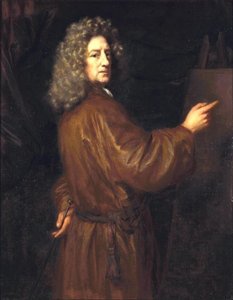
Življenje v svetlobi in senci nizozemske umetnosti
Nicolaes Maes, ime, ki nežno odmeva v panteonu mojstrov nizozemskega zlata doba, se je rodil januarja 1634 v Dordrechtu, svetu, prežetem z gospodarskim razcvetom in umetniško živahnostjo. Njegov oče, Gerrit Maes, uspešen trgovec s platnom in izdelovalec mila, mu je omogočil udobno otroštvo, kar mu je omogočilo razvoj njegovega talent za slikarstvo. Čeprav je sprva prejel pouk od lokalnega umetnika manjše slave, je bil ključni trenutek v Maesovem razvoju potovanje v Amsterdam okoli leta 1648 in vstop v delavnico Rembrandta van Rijna. Ta učništvo se je izkazalo za transformativno, vsadilo mu je trajno spoštovanje do dramatične igre svetlobe in sence – *chiaroscuro* – ter mojstrsko obvladovanje barve, ki bo definiralo njegova zgodnja dela. Vpliv je bil tako globok, da so bile prvotne slike, kot so upodobitve bibličnih prizorov v življenjski velikosti in bogatih, žarečih odtenkih, pogosto napačno pripisane samemu Rembrandtu. Ta oblikovalna leta so postavila temelje za kariero, zaznamovano s tehnično briljantnostjo in intimnim razumevanjem človeških čustev.
Od Rembrandtove sence do neodvisne vizije
Po vrnitvi v Dordrecht leta 1654 je Maes začel utirati lastno umetniško pot, postopoma se distanciral od neposredne imitacije svojega nekdanjega mojstra. Naslednje desetletje je bilo priča premiku k manjšim domačim žanrskim scenam, vendar je ohranil živahnost barv, ki jo je absorbiral med časom z Rembrandtom. Obrnil je ostrino pogleda na vsakdanje življenje nizozemskih državljanov in upodobil ženske, angažirane v običajnih dejavnostih – predenje volne, branje spisov, priprava obrokov – s izjemno pozornostjo do podrobnosti in občutljivostjo. Posebna fascinacija se je pojavila z zapleteno umetnostjo izdelave čipke, ki je navdihnila številne različice te teme, vsaka pa je dokaz Maesove natančne opazovalnosti in spretnosti. Te slike niso bile le upodobitve vsakdanjega življenja; bila so okna v domačo sfero, razkrivajoča tiho dostojanstvo in subtilne zgodbe, vtkane v tkanino nizozemske družbe 17. stoletja. Njegovo delo v tem obdobju kaže sposobnost ujeti ne le *kaj* so ljudje počeli, ampak tudi *kako* so se počutili medtem ko so to storili.
Portretist Amsterdama
Leta 1673 se je Maes preselil v Amsterdam, kar je pomenilo tako umetniške ambicije kot bistveno prilagoditev razvijajočemu se trgu umetnosti. Mesto, ki se je še vedno opomogljalo od vojne z Anglijo in Francijo, je predstavljalo naraščajoče povpraševanje po portretiranju, Maes pa se je hitro uveljavil kot eden vodilnih praktikov. Opustil je veliko svojih zgodnjih žanrskih del in se namesto tega osredotočil na ujemanje videza in osebnosti uglednih amsterdamskih državljanov. Njegovi portreti so zaščitni znak prefinjene elegance in psihološkega vpogleda, ki razkrivajo ne le fizično podobnost, ampak tudi namige značaja in družbenega položaja. Dela kot je “Portret Gerarda Röverja, trgovca in ladijskega lastnika v Amsterdamu” so zgled te spretnosti, predstavljajo dostojanstveno upodobitev bogastva in državljanske ponosnosti. Postal je sposoben prenesti status z subtilnimi podrobnostmi – kakovost tkanin, kroj oblačil, samozavesten položaj svojih modelov. To obdobje je pomenilo pomik v stilu, stran od zgodnje toplote in intimnosti proti bolj polirani in prefinjeni estetiki.
Zapuščina in trajna privlačnost
Nicolaes Maes je umrl v Amsterdamu decembra 1693 in za seboj pustil obsežno delo, ki še danes očara občinstvo. Njegova dela ponujajo dragocene vpoglede v družbene običaje, notranje prostore in psihološko kompleksnost nizozemskega zlata doba. Medtem ko njegovo zgodnje delo nosi nezgrešljiv pečat Rembrandtovega vpliva, je Maes končno razvil značilen slog, za katerega so značilne natančne podrobnosti, živahna barvna paleta in občutljivo upodabljanje človeškega značaja. Njegova sposobnost povzdigniti vsakdanje prizore in posameznike do umetniške pomembnosti zagotavlja njegovo mesto med najpomembnejšimi slikarji svoje dobe. Danes so njegove slike shranjene v prestižnih zbirkah po vsem svetu, vključno z Rijksmuseumom v Amsterdamu, National Gallery v Londonu in National Gallery of Art v Washington D.C., ki so lahko dostopne za študij in cenjenje prek platform kot je WahooArt.com, kar zagotavlja, da zapuščina tega mojstrskega nizozemskega umetnika vztraja za prihodnje generacije.
Ključne značilnosti njegovega dela
- Rembrandtov vpliv: Zgodnja dela kažejo močan vpliv Rembranta van Rijna, zlasti v uporabi chiaroscuro in bogatih barvnih palet.
- Žanrski prizori: Maes je znan po svojih intimnih upodobitvah vsakdanjega življenja, osredotočenih na notranje prostore in dejavnosti, kot so predenje, branje in izdelava čipke.
- Portretno mojstrstvo: Postal je vodilni portretist v Amsterdamu, znan po ujemanju videza in značaja svojih modelov z natančnostjo in eleganco.
- Podrobna opazovalnost: Njegove slike so zaščitni znak natančne pozornosti do podrobnosti, zlasti pri upodabljanju tekstur, tkanin in izrazov obraza.
- Psihološki vpogled: Maes je posedoval izjemno sposobnost prenesti notranje življenje in čustva svojih subjektov s subtilnimi gestami in izrazi.



 Predogled
 Preklop na tiskanine
 Pošlji
 Deli
Deli
 Podrobnosti o delu

 Prenesi
 Podobni izdelki
 Rentgenski posnetek
 Predvajaj diaporama
 Statistika


 Razviljaj več