Prodajajte
x
PredogledPredogled AR predogledAR predogled Kupi tisk Kupi tiskKupi ročno naslikano sliko Kupi ročno naslikano sliko PošljiPošlji
Podrobnosti o deluPodrobnosti o delu Dodaj v priljubljene Dodaj v priljubljene PrenesiPrenesi Podobni izdelkiPodobni izdelki Rentgenski posnetekRentgenski posnetek Predvajaj diaporamaPredvajaj diaporama

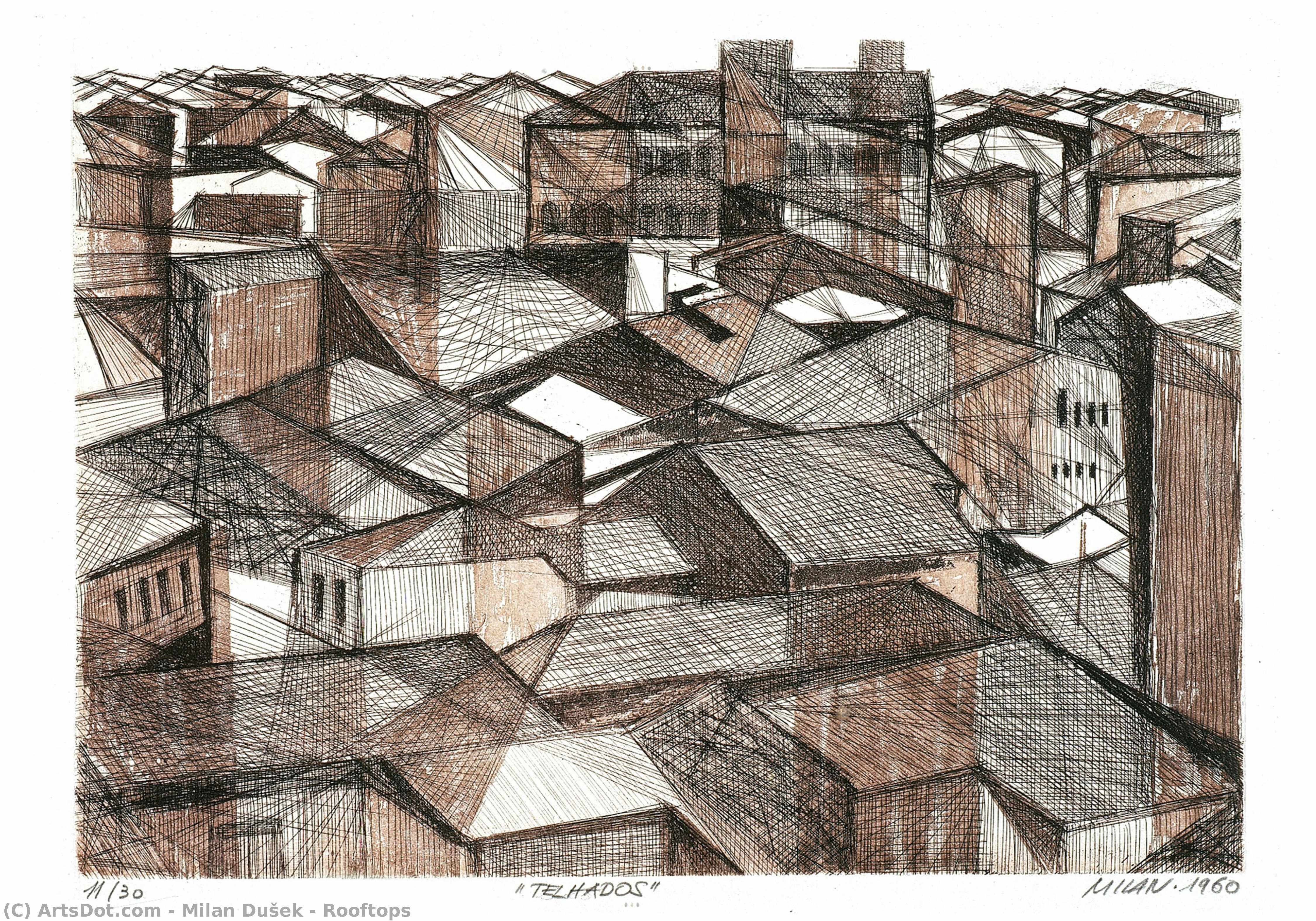
Rooftops

Milan-based author Milan Dušek crafts intricate detective stories & novels. A member of the Union of Writers, his works explore crime & suspense in Czech literature.

Kupite digitalno sliko visoke ločljivosti z izboljšano kakovostjo, ki je precej boljša od spletnega predogleda.

Vsaka datoteka je pod natančnim nadzorom naših strokovnjakov, ki uporabljajo napredna orodja in strokovno ročno obdelavo. Zagotovimo, da ima vsaka slika izjemno jasnost, natančnost barv in fine podrobnosti.

Končna datoteka je po e-pošti dostavljena v 72 urah, optimizirana za takojšnjo uporabo v profesionalnem, uredniškem in tiskarskem okolju. To je kakovost, ki ji zaupajo vrhunska oblikovalna studia, založniki in galerije.

Digitalna slika

Prenesite datoteko visoke ločljivosti za osebno uporabo, tiskanje in kreativne projekte. (Kupi tisk Kupi tiskKupi ročno naslikano sliko Kupi ročno naslikano sliko)

Skupna cena

$ 24,90

Vključeno v vsako naročilo digitalne slike

Zagotovljena strokovna digitalna dostava

Ko izberete WahooArt.com, ne prejmete le slike – prejmete digitalno umetniško delo, ki je profesionalno urejeno, izdelano z natančnostostjo in zavestno zagotovljeno z garancijo za zadovoljstvo. Tukaj je vse, kar samodejno prejmete z vašim naročilom:

shipping_icon
Hitra dostava prek e-pošte

Vaša digitalna slika visoke ločljivosti bo na vaš e-naslov poslana v roku 72 ur od zaklopa naročila – pripravljena za takojšnjo uporabo.

canvas_icon
Digitalna datoteka z umetno inteligenco

Vaše umetniško delo je strokovno optimizirano z uporabo naprednih orodij umetne inteligence in ročne obdelave, kar zagotavlja največjo stopnjo podrobnosti, jasnosti in barvne natančnosti.

insurance_icon
Brezplačna ponovna dostava za vse življenje

Ste zaradi nespremietne napake izgubili ali izbrisali svojo datoteko? Ni težav – vam jo bomo ponovno poslali kadar koli in brezplačno.

tax_icon
Brez uvoznih pristojbin – vedno

Uživajte v svojem umetniškem delu takoj, brez carin, davkov ali stroškov dostave – digitalni prenosi so vedno brezdavčni.

color_icon
Zagotovilo natančnosti barv

Z uporabo profesionalnih orodij in upravljanja barv zagotavljamo, da vaša digitalna slika čim bolj natančno odraža prvotne barve.

return_icon
60-dnevna garancija zadovoljstva

Če niste zadovoljni s svojo digitalno sliko, jo bomo uredili ali vam v 60 dneh povrnili 100% denarja – brez kakršnih koli vprašanj.

guarantee_icon
100% Garancija povračila denarja

Niste zadovoljni? Zagovрите popoln povračilo sredstev v 60 dneh po prejemu digitalne datoteke – brez kakršnih koli vprašanj.

discount_icon
Popusti pri večjem številu naročil

Kupite 3 slike, prihranite 10% - Kupite 5 slik, prihranite 15% - Kupite 10+ slik, prihranite 20%. Odlično za kreativne projekte, galerije in agencije.


Biografija umetnika

Georg Baselitz: A Life Sculpted in Inversion

Born Hans-Georg Kern in Deutschbaselitz, a small village in the Lusatia region of Germany, on January 23, 1938, Georg Baselitz’s life and artistic journey are inextricably linked to the landscape of his upbringing – a region scarred by war, displacement, and the lingering echoes of destruction. This formative experience, coupled with a profound questioning of established order, became the bedrock upon which his distinctive and profoundly influential body of work was built. Baselitz's early years were marked not by conventional artistic training but by a deep immersion in the visual world – observing the weathered faces of villagers, the stark beauty of the surrounding forests, and the remnants of a shattered past. This initial exposure to raw, unmediated experience would prove crucial to his later development as an artist.

His formal art education began at the Hochschule für Bildende und Angewandte Kunst in East Berlin in 1956, a period marked by increasing political tension and artistic restriction. Despite being initially rejected from the prestigious Akademie der Bildenden Künste in Dresden – a rejection he attributed to his unconventional approach – Baselitz persevered, honing his skills and developing his unique visual language. It was during this time that he began experimenting with various styles, influenced by movements ranging from Soviet illustration art, characterized by its bold lines and simplified forms, to the Mannerist period’s emphasis on elongated figures and distorted perspectives, and even drawing inspiration from the expressive power of African sculptures. These diverse influences coalesced into a distinctly personal aesthetic, one that would ultimately challenge conventional notions of representation and artistic technique.

The Rise of the Upside-Down Figure

Baselitz’s breakthrough came in 1969 with a radical shift in his painting practice: he began to paint his subjects upside down. This seemingly arbitrary decision was, in fact, a deliberate act of subversion – a rejection of the representational conventions that he felt had become overly dominant in Western art. As he himself explained, “I was born into a destroyed order, a destroyed landscape, a destroyed people, a destroyed society. And I didn’t want to reestablish an order: I had seen enough of so-called order. I was forced to question everything, to be ‘naive’, to start again.” By inverting his figures, he sought to strip away the illusion of depth and perspective, forcing the viewer to confront the painting as a purely formal object – a collection of lines and colors rather than a faithful depiction of reality.

This stylistic choice wasn’t simply a gimmick; it represented a fundamental rethinking of the artist's role. Baselitz viewed himself not as a recorder of external appearances, but as an inventor of forms. The act of inverting his subjects became a means of distancing himself from the object being depicted, allowing him to focus on the process of drawing and painting itself. The resulting images – often characterized by their raw energy, gestural markings, and simplified forms – are intensely personal and emotionally charged, reflecting the artist’s own struggles with identity, memory, and the complexities of human experience.

A Language of Lines

Baselitz's artistic language is remarkably consistent, built upon a deceptively simple vocabulary: lines. He rarely employs traditional brushes or blending techniques; instead, he works directly onto the canvas with a stick or other improvised tools, creating bold, expressive marks that seem to emerge spontaneously from the surface. These lines are not merely outlines but rather conduits of energy and emotion – they carry the weight of his thoughts, feelings, and memories. The absence of meticulous detail contributes to the immediacy and rawness of his work, inviting viewers to engage with the paintings on a visceral level.

Throughout his career, Baselitz has continued to explore variations on this fundamental approach, experimenting with different scales, materials, and subject matter. However, the core principle – the use of lines as the primary means of expression – remains constant. His work is often described as “primitive,” but this label belies a profound sophistication in its formal structure and emotional depth. Baselitz’s art speaks to the enduring power of gesture, intuition, and the transformative potential of artistic practice.

Legacy and Recognition

Despite initial skepticism from the art establishment, Georg Baselitz quickly gained international recognition for his groundbreaking work. Exhibitions in major museums around the world – including the Tate Gallery in London and the Museum of Modern Art in New York – cemented his place as one of the most important artists of the late 20th century. His influence has extended far beyond the realm of painting, inspiring a new generation of artists to challenge conventional artistic practices and explore alternative modes of expression.

Baselitz’s work continues to be exhibited and collected worldwide, attracting considerable attention for its unique combination of raw emotion, formal innovation, and enduring relevance. He remains an active artist today, continuing to create works that reflect his ongoing engagement with the fundamental questions of art and life. His legacy is not simply one of stylistic experimentation but a profound re-evaluation of what it means to be an artist in the 21st century – a testament to the power of questioning, invention, and the enduring beauty of a single line.

milan dušek

milan dušek

1938 - , Czech Republic

Ključne informacije

  • Artistic Movement Or Style: Neo-Expressionism
  • Artists Or Movements Influenced By This Artist: ['Neue Wilden']
  • Artists Who Influenced This Artist:
    • Wassily Kandinsky
    • Wyndham Lewis
  • Date Of Birth: January 23, 1938
  • Full Name: Georg Baselitz
  • Nationality: German
  • Notable Artworks:
    • Where is the Yellow Milkjug?
    • Mrs Bird?
    • The Painter
  • Place Of Birth: Deutschbaselitz, Germany