

Platna in umetniški tisk že od €45 za 39 x 25 cm
Ročno slikana oljna reprodukcija že od €182
Umetniška dela, prikazana na tej strani, so zaščitena z avtorskimi pravicami, kar pomeni, da po zakonu ne moremo ustvarjati ali prodajati identičnih reprodukcij. Ta zaščita se izvaja v skladu z mednarodnimi sporazumi, kot so Bernska konvencija in po nacionalnih zakonih, vključno s tistimi, ki jih določa Zakon o avtorskih pravicah ZDA – naslov 17.
Ta način v celoti upošteva zakonodajo o avtorskih pravicah, saj ne vključuje kopiranja ali podvajanja zaščitenga umetniškega dela. Namesto tega gre za kreativno preinterpretacijo – novo sliko, ki je navdihnjen rezultat originala, vendar ni z njim identična.
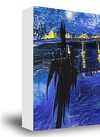
Giclée ali platnati odtis muzejske kakovosti z hitro proizvodnjo in prilagodljivimi možnostmi končne obdelave. ( Ročno slikano olje Digitalna slika
)
Naša budžetna tiskanina: ista slika, natiskan na poliesterskem platnu z težo 260 g/m² namesto na bombažnem platnu, dostavljena v roli v tubi po običajni pošti v 3 do 4 tednih. Le v roli (brez podložine in okvirja) in brez nujne proizvodnje, za velikosti, kjer je vsaj ena stran viška 80 cm ali manj. Približno 30% cenejša od tiskanja na bombažnem platnu.
Za to velikost ni na voljo: vsaj ena stran mora imeti 80 cm ali manj.
Le v roli: za izbiro tega tiska izberite platno v tubi.
Na voljo za dimenzije, kjer sta obe strani ne longer 110 cm. Za večje dimenzije se tisk izvaja na matenem bombažnem platnu.
Matni arhivni platno ni na voljo za to velikost: obe strani morata imeti 110 cm ali manj. Vaš tisk je namesto tega izdelan na matnem bombažnem platnu.
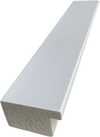
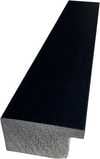
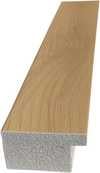
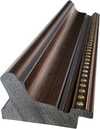
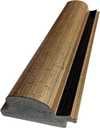


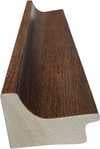
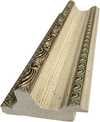

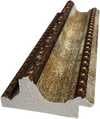
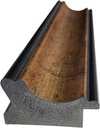
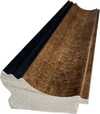
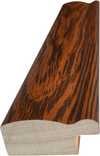
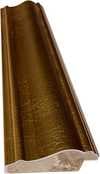

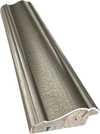
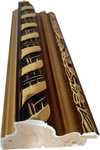


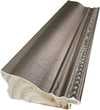


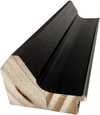
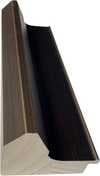

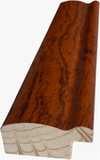
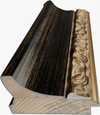
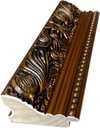
Izberite eno od naših vnaprej določenih velikosti, ki ustrezajo prvotnim proporcijam umetničkega dela.

Vnesite širino in višino, ki jih potrebujete za svoj okvir ali steno. Tiskanje se lahko le odreže, vendar ga ni mogoče narediti večjega od slike, zato format z drugačno obliko pomeni izgubo dela slike. Pred tiskanjem vam pošljemo digitalni predogled za potrditev. Slika, prikazana na tej strani, ne prikazuje dejanskega izrezka — le predogled to omogoča.
Globalna dostava () v 2 tednih namesto standardnih 4/5 tednov. (24 december)
Pri tisku na ekonomičnem polipoli-platnu, ki se pošilja z običajno pošto, nista na voljo nujna proizvodnja ali ekspresna kurirska dostava.
Oiseau
Velikost reprodukcije
Globalna dostava () z običajno pošto v 3 do 4 tednih. (24 december)
Max Ernst’s “Oiseau (Bird)” – often referred to as “L'Oiseau Mère” or "The Mother Bird" – is not merely a depiction of avian form; it’s an immersion into the subconscious, a distilled fragment of the artist’s intensely personal and profoundly unsettling vision. Painted in 1951, during a period of considerable artistic evolution for Ernst, this work exemplifies his masterful manipulation of technique—particularly his innovative use of *grattage* – to create textures that vibrate with hidden meaning. The painting immediately draws the eye with its stark contrast: a pale beige, almost parchment-like background punctuated by the assertive red outline of the bird itself. This deliberate simplicity belies a complex layering of symbolism and psychological exploration.
Ernst’s approach to composition is strikingly unconventional. The bird, rendered in bold, uneven lines, occupies a central position within the frame, yet its incompleteness—the gaping “hole” where its belly should be—is profoundly unsettling. This deliberate absence isn't simply a technical oversight; it speaks volumes about themes of vulnerability, loss, and perhaps even the fragmented nature of selfhood – ideas that were central to Ernst’s broader artistic concerns during this period. The bird’s head, a simplified circle with a single blue eye, possesses an almost childlike quality, further amplifying its sense of innocence juxtaposed against the unsettling void within its form.
To fully appreciate “Oiseau,” one must understand Ernst’s groundbreaking technique of *grattage*. Developed in 1925, this method involved applying paint to a canvas and then vigorously scraping it away with a palette knife or other tool. This process created a textured surface—a map of the underlying materials—that was then layered with subsequent paint applications. In “Oiseau,” the *grattage* technique is particularly evident in the mottled background, which resembles aged paper or fabric – a deliberate choice that evokes a sense of history and decay. The rough edges of the bird’s outline further contribute to this tactile effect, inviting the viewer to engage with the painting on a sensory level.
The use of red as the dominant color is also significant. Red, in Ernst's work, often represents passion, danger, and even death – potent symbols that resonate throughout his oeuvre. Here, it serves to highlight the bird’s vulnerability and its precarious existence within the stark landscape. The limited palette—primarily beige, red, and blue—reinforces this sense of austerity and emotional restraint.
“Oiseau” firmly situates itself within the broader context of Surrealist art, a movement that sought to unlock the creative potential of the unconscious mind. Ernst was a key figure in the development of Surrealism, alongside artists like Salvador Dalí and René Magritte. His work frequently explored themes of dreams, mythology, and psychological trauma – subjects often considered taboo during the early 20th century. The bird itself is laden with symbolic weight; birds have long been associated with freedom, spirituality, and transformation in art and literature.
Interestingly, Ernst’s fascination with birds extended beyond mere aesthetic interest. He developed an alter ego, “Loplop, the Bird Superior,” a recurring figure in his writings and artwork, embodying qualities of wisdom, cunning, and even danger. This personal mythology informs our understanding of "Oiseau," suggesting that the bird is not simply a representation of nature but also a projection of Ernst’s own complex psyche.
“Oiseau” remains a powerfully evocative work, inviting multiple interpretations. It can be seen as a meditation on loss and incompleteness, a poignant reflection on the fragility of life, or even a symbolic representation of the artist’s own struggles with identity and self-doubt. Regardless of one's interpretation, the painting’s enduring appeal lies in its ability to tap into fundamental human emotions—a sense of vulnerability, longing, and perhaps even a touch of melancholy. It stands as a testament to Ernst’s genius – his capacity to transform simple materials into profound expressions of the inner world.
Tiskano: Oiseau je reproducirana kot giclée tiskanec na bombažnem platnu ali na arhivskem papirju Epson.
Velikosti so od 39.3 x 25.4 cm (€45) do 246.5 x 159.4 cm (€335); v tabeli na tej strani so navedeni ključni koraki in njihove cene.
Tisk v roli, ki se pošilja v tubi, je brezplačen in potuje z običajno pošto v 3 do 4 tednih; tisk na platnu ali v okvirju zahteva 4 do 5 tednov. Dostava s kurirjem je mogoča le z plačano možnostjo ekspresne dostave, ki je na voljo na tej strani. Izdelek lahko vrnete v 100 dneh za popoln povračilo denarja, brez kakršnihkoli pogojev.
Acrylic On Canvas

Born in Brühl, Germany, amidst profound global upheaval, Ernst’s artistry was forged in the fires of Dadaist rebellion and Surrealist truth.

Born in the coastal air of Ostend in 1860, Ensor used carnival masks and the grotesque to unmask the human condition through a fever dream of color.

A signed urinal titled Fountain was submitted by Marcel Duchamp in 1917. See how this provocation sparked a revolt against logic and art.

 Predogled v realnem okolju

 Pošlji
 Deli
 Podrobnosti o delu
 Informacijski list za tjači


 Prenesi sliko
 Podobni izdelki
 Rentgenski posnetek
 Predvajaj diaporama
 Vprašanja in odgovori

 Statistika


 Celovit opis dela Oiseau

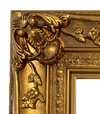
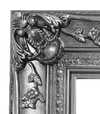


 Možnost stekla je na voljo le za velikosti pod 110 cm


