Preverite v realnem okolju Predogled v AR Preklop na tiskanine Naročite ročno slikano reprodukcijo Pošlji kot čestitko
Podrobnosti Navodila Dodaj v priljubljene Prenesi Podobni artefakti Rentgenski posnetek Predvajaj diaporama Statistika

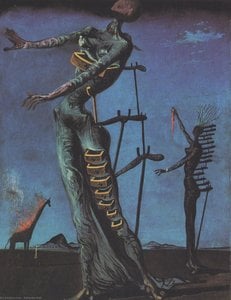
Renya del inframundo

A dramatic surrealist scene of figures and fire unfolds in Renya del inframundo by Mexican artist Marcos Castro, offering a profound exploration of the human condition that invites you to bring this intensity home.

Mexican artist Marcos Castro blends mythology & nature with symbolic paintings exploring the human condition. Inspired by Frida Kahlo, his work evokes tension & reflection.

Kupite digitalno sliko visoke ločljivosti z izboljšano kakovostjo, ki je precej višja od spletnega predogleda.

Vsako datoteko naše strokovnjake v ekipi z največjo mero natančnosti pripravijo z uporabo naprednih orodij in strokovne ročne obdelave. Zagotovimo, da je vsaka slika izjemno jasna, barvno natančna in polna finih podrobnosti.

Končna datoteka je po e-pošti dostavljena v 72 urah, optimizirana za takojšnjo uporabo v profesionalnem, uredniškem in tiskarskem okolju. To je kakovost, ki ji zaupajo vrhunska oblikovalna studia, založniki in galerije.

Digitalna slika

Prenesite datoteko visoke ločljivosti za osebno uporabo, tiskanje in kreativne projekte. ( Preklop na tiskanine Naročite ročno slikano reprodukcijo)

Skupna cena

$ 24,90

Vključeno v vsako naročilo digitalne slike

Zagotovljena strokovna digitalna dostava

Z izbiro WahooArt.com ne prejmete le slike – prejmete profesionalno urejeno digitalno umetniško delo, izdelano z največjo natančnostjo in zavestno podprto z garancijo za zadovoljstvo. Tukaj je vse, kar bo z vašim naročilom samodejno priloženo:

shipping_icon
Hitra dostava po e-pošti

Vaša digitalna slika visoke ločljivosti bo na vaš e-naslov poslana v roku 72 ur od zaklopa naročila – pripravljena za takojšnjo uporabo.

canvas_icon
Digitalna datoteka z uporabo AI

Vaše umetniško delo je strokovno optimizirano z uporabo naprednih orodij umetne inteligence in ročne obdelave, kar zagotavlja največjo stopnjo podrobnosti, jasnosti in barvne natančnosti.

insurance_icon
Brezplačna doletna ponovna dostava

Ste datoteko zaradi nespremietne napake izgubili ali izbrisali? Ni težav – vam jo bomo ponovno poslali kadar koli in brezplačno.

tax_icon
Brez uvoznih pristojbin – vedno

Svoje umetniško del uživajte takoj, brez carin, davkov ali stroškov dostave – digitalni prenosi so vedno brezdavčni.

color_icon
Zagotovilo natančnosti barv

Z uporabo profesionalnih orodij in procesov upravljanja barv zagotavljamo, da vaša digitalna slika čim bolj natančno odraža prvotne barve.

return_icon
100-dnevna garancija zadovoljstva

Če niste zadovoljni s svojo digitalno sliko, jo bomo uredili ali vam v 100 dneh povrnili 100% denarja – brez kakršnih koli vprašanj.

guarantee_icon
100% Garancija povračila denarja

Niste zadovoljni? Zagotavljamo vam popoln povračilo sredstev v 100 dneh po prejemu digitalne datoteke – brez dodatnih vprašanj.

discount_icon
Popusti pri večjih naročilih

Kupite 3 slike, prihranite 10% - Kupite 5 slik, prihranite 15% - Kupite 10+ slik, prihranite 20%. Odlično za kreativne projekte, galerije in agencije.

Hitri podatki

  • Dimensions: 22 x 30 cm
  • Year: 2011
  • Artistic style: Surrealistic
  • Notable elements: Fire, gun, naked figures, brick wall
  • Subject or theme: Human condition, tension and fire
  • Artist: Marcos Castro

A Descent into the Surreal: The Visceral World of Marcos Castro

In the evocative piece Renya del inframundo, Mexican contemporary artist Marcos Castro invites the viewer into a realm where the boundaries between reality and nightmare dissolve. Created in 2011, this striking work serves as a profound exploration of the human condition, utilizing a surrealist vocabulary to navigate the depths of the subconscious. The painting presents a scene of startling intensity, where the vulnerability of the human form meets the sudden, violent intrusion of modern symbols. Through his masterful command of composition, Castro crafts a narrative that feels both ancient and urgently contemporary, pulling the observer into a landscape of mythic proportions.

The subject matter of Renya del inframundo is a complex tapestry of tension and raw emotion. In the foreground, figures appear in states of naked vulnerability, positioned against the cold, unyielding texture of a brick wall. This juxtaposition between the softness of human flesh and the industrial rigidity of the masonry creates an immediate sense of exposure. The presence of a firearm in the background introduces a jarring note of danger, disrupting the stillness of the scene with the threat of sudden violence. As flames flicker in the distance, the atmosphere thickens with heat and drama, suggesting a world caught in the midst of a transformative—or perhaps destructive—ordeal.

Technically, Castro’s work is deeply rooted in a symbolic language that echoes the psychological depth of masters like Frida Kahlo. His style blends elements of mythology with the natural world to evoke a sense of profound reflection. In this specific piece, the use of light and shadow plays a crucial role in defining the surrealist atmosphere; the glow of the fire illuminates the scene with an unpredictable, flickering energy that breathes life into the shadows. For collectors and interior designers, this artwork offers more than mere decoration; it provides a focal point of intellectual and emotional gravity. A high-quality reproduction of this piece brings a sophisticated, avant-garde edge to any space, inviting conversation through its enigmatic imagery and its ability to evoke the beautiful, terrifying complexity of the underworld.


Biografija umetnika

Jean-Michel Basquiat: A Life Forged in the Crucible of New York

Jean-Michel Basquiat, a name synonymous with raw energy and uncompromising vision, emerged from the vibrant, chaotic streets of 1980s New York City to become one of the most influential artists of his generation. Born in Brooklyn in 1960, his life was tragically cut short at the age of 27, but during his brief career, he left an indelible mark on the art world, challenging conventions and forcing a critical examination of race, power, and identity. His work wasn’t simply about aesthetics; it was a direct response to the social and political realities surrounding him – a potent blend of street art, graffiti, personal experience, and intellectual critique.

Basquiat's early life was marked by a complex family dynamic and a struggle with racial identity. Raised primarily by his Haitian immigrant father, he navigated the challenges of being a Black child in a predominantly white environment. This experience profoundly shaped his artistic perspective, informing his exploration of themes like social injustice, poverty, and cultural appropriation. He began experimenting with art as a teenager, initially engaging in graffiti – a rebellious act that quickly became intertwined with his burgeoning artistic voice. His early collaborations with Al Diaz under the pseudonym SAMO were particularly significant, producing enigmatic epigrams scrawled across subway cars and building walls, establishing Basquiat’s presence within the burgeoning street art scene.

The Rise of Neo-Expressionism and a Unique Voice

By the early 1980s, Basquiat's work began to shift beyond simple graffiti tags. He transitioned into painting, developing a distinctive style characterized by bold lines, fragmented figures, and a potent mix of text and imagery. This marked his entry into the burgeoning neo-expressionist movement, alongside artists like Anselm Kiefer and Georg Baselitz. However, Basquiat’s work quickly distinguished itself from its contemporaries. Unlike many neo-expressionists who embraced a romanticized or historical approach, Basquiat confronted contemporary issues with unflinching honesty. His paintings frequently incorporated elements of personal history, cultural references – including African art and jazz music – alongside critiques of capitalism, racism, and the commodification of art.

His artistic process was intensely personal and often chaotic. He typically worked quickly, layering paint onto large canvases in a frenzied manner, incorporating found objects, newspaper clippings, and text directly into his compositions. This approach reflected his desire to capture fleeting moments of experience and to disrupt traditional notions of authorship and control. He famously stated that he didn’t “create” art; rather, he “uncovered” it – revealing pre-existing ideas and narratives through his work.

Key Works and Influences

Several works stand out as particularly significant in understanding Basquiat's artistic trajectory. *Irony of Negro Policeman* (1981), a powerful image of a Black police officer, immediately established his willingness to confront uncomfortable social realities. *Skull of Doom* (1982) is perhaps his most iconic piece, a haunting depiction of a human skull overlaid with symbols and text that allude to death, violence, and the fragility of life. His series *Hollywood Africans* (1983), featuring portraits of African-American figures in Hollywood glamour, explored themes of identity, representation, and the complexities of race relations within the entertainment industry.

Basquiat’s work was deeply influenced by a diverse range of sources. He drew inspiration from street art, comic books, jazz music, literature (particularly writers like William Burroughs and James Baldwin), and African art. His fascination with history, particularly the legacy of slavery and colonialism, informed his exploration of power dynamics and social injustice. The writings of Malcolm X and other Black intellectuals served as a crucial intellectual foundation for his artistic vision.

Legacy and Historical Significance

Despite his tragically short life, Jean-Michel Basquiat’s impact on the art world is undeniable. He challenged the established hierarchies of the art market and helped to democratize access to contemporary art. His work continues to resonate with audiences today, prompting critical reflection on issues of race, identity, and social justice. His willingness to confront difficult subjects head-on, combined with his innovative artistic style, cemented his place as a pivotal figure in late 20th-century art history.

In 1992, the Whitney Museum of American Art held a comprehensive retrospective of Basquiat’s work, solidifying his legacy and demonstrating the enduring significance of his contributions. His paintings now command staggering prices at auction, reflecting both their artistic merit and their cultural importance. Jean-Michel Basquiat's art remains a powerful testament to the transformative potential of creativity and a vital reminder of the urgent need for social change.

Kratek pregled

  • Artistic Movement Or Style: Neo-expressionism
  • Artists Or Movements Influenced By This Artist:
    • Graffiti art
    • Hip-hop culture
  • Artists Who Influenced This Artist:
    • Andy Warhol
    • Piero Manzoni
    • Jean-Michel Bernier
  • Date Of Birth: December 22, 1960
  • Date Of Death: August 12, 1988
  • Full Name: Jean-Michel Basquiat
  • Nationality: American
  • Notable Artworks:
    • Irony of Negro Policeman
    • Skull of Doom
    • Untitled (1982)
    • Boy and Dog in a Johnnypump
    • Defacement (1983)
    • Hollywood Africans
  • Place Of Birth: New York City, USA