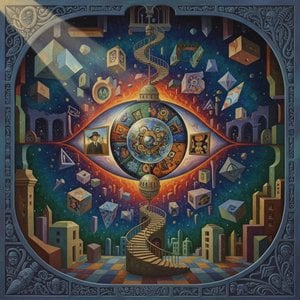
Marcel Duchamp: Umetniški Revolucionar in Izpodbijanje Konvencij
Marcel Duchamp, rojen kot Henri-Robert-Marcel Duchamp v Blainville-Crevonu, Normandiji, leta 1887, je bil več kot le slikar; bil je filozofski provokator, ki je temeljito spremenil pot modne umetnosti. Njegovo zgodnje življenje, čeprav se zdi konvencionalno – negovano v družini, ki je cenila umetniško izražanje, pri čemer sta oba brata sledila uspešnim karieram kot umetnika – je napovedovalo prihajajočo ikono klašt. Duchamp je sprva nadaljeval formalno usposabljanje, obvladal tradicionalne tehnike in eksperimentiral s postimpresionističnimi slogi. Vendar ta akademska podlaga ni služila kot cilj sam po sebi, temveč kot odskočna deska za vprašanje same narave umetnosti, njene namembnosti in definicije. Ni želel le prikazati sveta; je hotel izzvati, kako ga dojemamo, in kaj predstavlja umetniško vrednost. Ta nemiren intelektualni navdušenje bi postalo opredalna značilnost njegove plodne kariere.
Od Kubizma do Dadaizma: Zavrnitev Konvencij
Duchampova umetniška pot je bila zaznamovana s stalno evolucijo, namenitnim odvrglom uvelavljenih norm. Njegov začetni stik z kubizmom, očitna v delih kot je *Portret šahistov* (1911), je pokazal zanimanje za razdrobljene oblike in več perspektiv – odstop od tradicionalne reprezentacije. Vendar pa je hitro presegel izključno estetske skrbi, pri čemer je ugotavljal, da preprosto prestrukturiranje vizualnih elementov ni dovolj za naslovitev globih vprašanj, ki so se mu vrtela po glavi. Groza prve svetovne vojne je spodbudila to nezadovoljstvo, kar ga je pripeljalo do sprejetja dadaizma, gibanja, ki se je rodilo iz razočaranosti in zavrnitve logike, razuma in tradicionalnih umetniških vrednosti. V okviru dadaističnega gibanja je Duchamp res začel rušiti konvencionalne ideje o umetnosti. Ni želel ustvarjati lepih predmetov; hotel je spodbujati misli, izzivati predpostavke in razkriti arbitrarnost estetske presoje. V tem obdobju se je rodovala njegova najradikalnejša inovacija: 'readymade'.
Readymades in Subverzija Umetnosti
Uvedba readymades – navadnih izdelanih predmetov, izbranih in predstavljenih kot umetnost – je bil Duchampov najbolj pomemben prispevek k 20. stoletju. To niso bili le najdeni predmeti; bile so namenjene udeležitve v umetniški subverziji. Z uporabo vsakdanjega predmeta, kot je stranišče (*Fountain*, 1917), ga podpisal z "R. Mutt" in poslal na razstavo umetnosti, je Duchamp izzval samo definicijo umetniškega znanja in avtorstva. Je roke umetnika ustvarile delo ali idejo umetnika? To vprašanje je postalo središčno za njegovo prakso in položilo temelj za konceptualno umetnost. Druga pomembna readymade, kot je *L.H.O.O.Q.* (1919), reprodukcija slike Mona Lise na kartončku, ki jo je poslikal z brko in gornjiškom, so bile šaljive, a ostre kritike umetnostne zgodovine in uvelavljenih kulturnih ikon. Ta dela niso bila namenjena občudovanju zaradi estetskih lastnosti; bili so namenjeni spodbujanju razprav in prisiliti gledalce, da ponovno premislijo o tem, kaj šteje za umetnost. Duchamp je verjel, da bi morala umetnost bivati v umu, ne le v očesu.
Zapuščina in Trajna Vpliv
Vpliv Marcela Duchampa na prihodnje generacije umetnikov je nemerljiv. Temeljito je spremenil naše razumevanje umetnosti, tlakoval pot gibanjem, kot so konceptualna umetnost, minimalizem, pop art in številne druge. Njegov poudarek na ideji umetnika – konceptu za delom – namesto njegovih estetskih lastnosti še danes navdihuje umetnike.
- Kubizem: Zgodnje raziskovanje razdrobljenih oblik in prostorske reprezentacije.
- Dadaizem: Zavrnitev logike, razuma in tradicionalnih umetniških vrednosti v odziv na prvo svetovno vojno.
- Konceptualna umetnost: Poudarek ideje za umetniškim delom namesto njegovih estetskih lastnosti.
Njegovo delo še naprej sproža razprave in izziva gledalce, da ponovno premislijo o svojih predpostavkah o ustvarjalnosti in umetniškem izražanju. Duchamp ni bil le umetnik; bil je filozof, provokator in revolucionar, ki si je upal vprašati vse. Ostaja osrednja figura v razpravah o naravi umetnosti in njenem odnosu do družbe, njegova zapuščina močno odzvanja v sodobni svetovni umetnosti. *The Large Glass* (1915-1923), s svojo kompleksno simboliko in skrivnostnim slikovjem, je priča njegovemu intelektualnemu rigorju in trajnega vpliva. Delo Duchampa ne gre za zagotavljanje odgovorov; gre za zastavljane vprašanja – vprašanja, ki nas še danes izzivajo in navdihujejo.



 Preverite v realnem okolju
 Naročite ročno slikano reprodukcijo
 Pošlji kot čestitko
 Deli
Deli
 Podrobnosti
 Priročnik

 Prenesi
 Podobni artefakti
 Rentgenski posnetek
 Predvajaj diaporama
 Statistika

 Preberi več






































 Možnost stekla je na voljo le za velikosti pod 110 cm