PredogledPredogled AR predogledAR predogled Kupi ročno naslikano sliko Kupi ročno naslikano slikoPreklop na digitalno sliko Preklop na digitalno sliko PošljiPošlji
Podrobnosti o deluPodrobnosti o delu Dodaj v priljubljene Dodaj v priljubljene PrenesiPrenesi Podobni izdelkiPodobni izdelki Rentgenski posnetekRentgenski posnetek Predvajaj diaporamaPredvajaj diaporama StatistikaStatistika

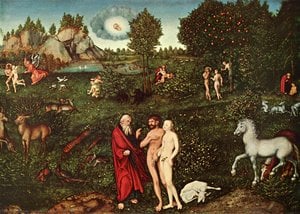
Adam in Eva

Ugledajte si mojstrovsko delo 'Adam in Eva' od Luisa Kranaha starejšega. Čudovito renesančno mojstrovino iz leta 1525! Raziskujte simbolizem in lepoto te ikonične biblijske scene. #umetnost #renascence

Meta Description: Raziskajte umetnost Lucas Cranacha starejšega – mojstrovine iz renesanse, portreti velikanov reformacije ter mitološke slike! Odkrijte njegovo dediščino in navdihnite se za umetniško zbiralništvo.

Giclée tisk / Umetniški tisk

Giclée ali platnati odtis muzejske kakovosti z hitro proizvodnjo in prilagodljivimi možnostmi končne obdelave. (Kupi ročno naslikano sliko Kupi ročno naslikano slikoPreklop na digitalno sliko Preklop na digitalno sliko)

P118B $10
P118H $10
P118W $10
P438Z $10
P508JH $12
P508YH $12
P805H $10
P805Z $10
P919BZ $10
P919G $10
P919XJ $10
P959ZH $10
P968JZ $12
W106C $8
W218G $10
W218JH $8
W218Y $10
W307PJ $10
W316G $10
W316PJ $8
W316Y $10
W398PJ $8
W4111J $10
W500HY $15
W500JH $15
W692G $12
W849H $8
W940BG $15
W953PJ $8

Standardna velikost
prilagojeno
CM
INCH

Izberite eno od naših vnaprej določenih velikosti, ki ustrezajo prvotnim proporcijam umetničkega dela.

širina
višina

Svoje dimenzije lahko vnesete sami, da bodo ustrezne za določen okvir ali prostor. Če izbrana velikost ne bo skladna z razmerji izvirne slike, bomo umetniško delo orezali ali podaljšali s pomočjo ogledalnega odraza ali barvno polnega roba. Pred začetkom proizvodnje vam bomo poslali digitalni predogled za potrditev.
Upoštevajte, da predogled na zaslonu ne prikazuje dejanskega orezovanja ali podaljševanja. Le digitalni predogled bo natančno prikazal končno kompozicijo.
Čeprav so na voljo prilagojene velikosti, priporočamo izbiro dimenzije s predhodno določenega seznama, da ohranite prvotna razmerja.

Globalna dostava () v 2 tednih namesto standardnih 4/5 tednov. (8 september)

why_choose_icon
Brezplačna ekspresna dostava po vsem svetu
why_choose_icon
Visokokakovostno laneno platno
why_choose_icon
Popolno zavarovanje pošiljke
why_choose_icon
Garancija povračila carine in uvoznih davkov
why_choose_icon
Garancija popolnega ujemanja barv
why_choose_icon
Politika vračilo v 100 dneh (le v primeru okvar)
why_choose_icon
Garancija 100% povračila denarja
why_choose_icon
Popust pri večjem naročilu

Skupna cena

$ 68

reproduction

Adam in Eva

Giclée tisk / Umetniški tisk

Velikost reprodukcije

-

Skupna končna cena

$ 68

Ključni podatki

  • Year: 1525
  • Dimensions: 136 x 80 cm
  • Location: Private Collection
  • Artistic style: Elongated figures; Delicate colors
  • Medium: Oil on Panel
  • Title: Adam and Eve
  • Movement: Renaissance

Umetniški kviz

Pri vsakem vprašanju je na voljo le eden pravilen odgovor.

Vprašanje 1:
What biblical story does Lucas Cranach the Elder’s painting ‘Adam and Eve’ depict?
Vprašanje 2:
Lucas Cranach the Elder is known for his masterful use of what artistic technique?
Vprašanje 3:
What prominent symbol appears in the painting, representing temptation and sin?
Vprašanje 4:
In what historical period was Lucas Cranach the Elder active as a painter?
Vprašanje 5:
Approximately how many versions of ‘Adam and Eve’ did Lucas Cranach the Elder produce during his lifetime?

Predstavitev Lukeša Kranaha Starejšega

Lukeš Krah (Lukeš Kranah) Starejši, rojen leta 1472, je bil izjemni nemški mojster renesanse in grafičar. Znano je, da je ustvarjal verske teme, mitološke scene in portrete. Krah je več kot štiri desetletja služboval kot dvorni mojster volilnih posestev Saksonske nadoblasti, s čimer je bistveno prispeval k razvoju umetniškega prizorja v Nemčiji med 16. stoletjem.

Naslikana dela: Adam in Eva

Adam in Eva, naslikano po Kranahovem slogu okoli leta 1530, je izjemen primer njegovega dela (oglejte si reprodukcijo). Naslikava prikazuje biblično zgodbo o Adamu in Evi, kjer ju prikazujejo v trenutku, ko neposredno narekujejo Bog s prehranjevanjem iz prepovednega Drevesa Poznanka v Edenskem vrtu.

Simbolizem in slog

Kranahova naslikava Adama in Eve poudarja njegov edinstven slog, ki se kaže pri podaljčanih figurah, nežnih barvah in natančnih detajlih. Umetnik uporablja simbolične elemente za izražanje zgodbe, kot je zmečkan ozelenjak okoli drevesa, kar predstavlja nagovarjanje in greh. Poleg tega ustvarja Kranahova predstavitev živali na ozadju občutek miru, ki se nasprotuje neposredni usodnosti prekrškov Adama in Eve.

Krahova dediščina

Lukeš Krah Starejši je bil zelo produktiven mojster, ki je ustvaril več kot 50 različnih tem o Adamu in Evi skozi celotno obdobje svoje kariere. Njegovo delo je močno vplivalo na nemško umetnost, še posebej med renesanso. Danes ponuja WahooArt.com ročno izdelane reprodukcije slik po Kranahovem slogu, kar omogoča ljubiteljem umetnosti, da cenijo in uživajo v teh brezčasnih delih v svojem domu ali pisarni.

Umetnost reprodukcije

Pri WahooArt.com je proces ustvarjanja reprodukcije natančen študij vsakega dela, njegovih zapletenih podrobnosti, barvne palete in tehnik, da se ujame bistvo originalnega dela (več o tem). Ta predanost natančnosti zagotavlja, da je vsaka reprodukcija ne le vizualno osupljiva, ampak tudi zgodovinsko pomembna, kar ponuja poceni in dostopen način za ljubitelje umetnosti, da uživajo v renesansnih mojstrovih.

Zaključek

Lukeš Krah Starejši naslikava Adama in Eve je privlačen primer njegovega umetniškega talenta in prispevka k nemški renesančni umetnosti. WahooArt.com ponuja visokokakovosten ročno izdelan slikanje po Kranahovem slogu, kar vam omogoča, da prinesete to mojstrovino domov in uživate v njenem lepoti in simbolizmu za dolgo časa.

Biografija umetnika

A Renaissance Master of Saxony: The Life and Art of Lucas Cranach the Elder

Lucas Cranach the Elder, born in Kronach, Germany around 1472, stands as a pivotal figure of the German Renaissance. His life unfolded during a period of immense religious and political upheaval, and his art became inextricably linked to both the burgeoning Protestant Reformation and the opulent courts he served. Initially trained by his father, Hans Maler, Cranach’s early artistic development remains somewhat shrouded in mystery, though influences from South German masters are evident in his evolving style. He quickly distinguished himself not merely as a skilled craftsman but as an artist capable of capturing psychological depth alongside technical precision – qualities that would soon draw the attention of powerful patrons. In 1504, he entered the service of Frederick III, Elector of Saxony, a relationship that would define much of his career and provide him with both stability and access to influential circles. This appointment as court painter in Wittenberg wasn’t simply about producing decorative works; it placed Cranach at the very heart of one of the most transformative movements in European history.

Early Life and Artistic Training

Information regarding Lucas Cranach's formative years is scarce, reflecting a common characteristic of Renaissance artists whose personal histories were often deliberately obscured to enhance their artistic reputations. However, scholarly research suggests that he received his initial artistic education from his father, Hans Maler—a respected painter known for his frescoes in churches throughout Bavaria and Saxony. Like many artists of his time, Cranach’s training encompassed not only painting techniques but also humanist scholarship, fostering a broader intellectual understanding crucial to navigating the complexities of Renaissance culture. While precise details about his early stylistic influences remain elusive, evidence indicates connections with South German masters—particularly Matthias Grünewald—whose expressive use of color and dramatic compositions foreshadowed many innovations that would characterize Cranach’s mature oeuvre.

Service to Frederick III and Wittenberg

Cranach's ascension to prominence began in 1504 when he was appointed court painter to Frederick III, Elector of Saxony—a patronage that proved remarkably fruitful both artistically and politically. Wittenberg, Frederick’s seat of power and the epicenter of Luther’s Reformation movement, became Cranach’s artistic laboratory—a space where he honed his skills, experimented with new ideas, and engaged directly in shaping the visual culture of a nation undergoing radical transformation. This appointment wasn't merely about fulfilling a contractual obligation; it demanded an artist capable of conveying Luther’s theological convictions through compelling imagery—a task Cranach undertook with unwavering dedication and artistic brilliance. He produced no fewer than eleven portraits of Luther, each meticulously crafted to embody the reformer’s moral authority and intellectual conviction. These weren’t simply likenesses; they were carefully constructed images designed to project strength, piety, and erudition – essential qualities for a leader challenging papal dogma.

The Reformation Art: Symbolism and Narrative

Lucas Cranach's contribution to the Reformation extended far beyond portraiture. He spearheaded the production of woodcuts and engravings that disseminated Protestant doctrines widely—a feat unparalleled in its scope and impact. These prints weren’t merely didactic illustrations; they were artistic statements imbued with symbolic meaning—reflecting a profound shift away from Catholic iconography toward a more personal engagement with scripture. Cranach's depictions of biblical scenes moved decisively away from traditional representations, emphasizing direct confrontation with God’s word and fostering a deeper spiritual connection between the viewer and faith. The Annunciation to Joachim exemplifies this innovative approach—radiating joy and optimism as it portrays Mary receiving the divine messenger—a visual testament to Luther's belief in predestination and divine grace. Cranach skillfully employed color, composition, and symbolism to convey complex theological concepts—demonstrating that art could serve as a powerful vehicle for religious persuasion.

Style and Technique: A Legacy of Elegance and Precision

Lucas Cranach the Elder’s artistic style is instantly recognizable—characterized by elongated figures with graceful proportions, vibrant hues, and meticulous attention to detail. His technique involved a masterful blend of oil painting, woodcut, and engraving—allowing him to reach a vast audience through both original artworks and affordable prints. The workshop established by Cranach became renowned for its distinctive aesthetic—reflecting the humanist ideals prevalent in Renaissance Germany. Cranach’s mastery of perspective and chiaroscuro—the interplay of light and shadow—created dramatic visual effects that heightened the emotional impact of his paintings. Stag Hunt of Elector Friedrich III the Wise stands as a paragon of Northern Renaissance style—capturing the dynamism of the hunt while simultaneously conveying the noble status of its patron—a testament to Cranach’s ability to synthesize artistic innovation with humanist conviction. His portraits are equally compelling, distinguished by their psychological insight and refined execution—demonstrating that an artist could convey profound emotion through subtle gestures and nuanced expressions.

Concluding Reflections: An Enduring Influence

Lucas Cranach the Elder died in 1553, leaving behind a monumental artistic legacy that continues to inspire admiration and scholarly inquiry today. He was arguably the most influential painter of his era—a master of portraiture, a visionary interpreter of religious themes, and a shrewd businessman who understood the transformative potential of visual communication. His work transcends mere stylistic imitation; it embodies the spirit of the Renaissance—characterized by intellectual curiosity, humanist conviction, and artistic daring. Cranach’s enduring influence can be discerned in the works of countless subsequent artists—who adopted his techniques and embraced his aesthetic sensibilities—solidifying his place as one of the foremost figures of European art history. From the iconic portraits of Martin Luther to the captivating mythological scenes—Cranach's oeuvre remains a beacon of artistic excellence—a testament to the power of imagination, skill, and unwavering dedication to conveying profound human experience.
Lucas Cranach Starejši

Lucas Cranach Starejši

1472 - 1553 , Nemčija

Hitri podatki

  • Artistic Movement Or Style: German Renaissance
  • Artists Who Influenced This Artist: ['Hans Maler']
  • Date Of Birth: 1472
  • Full Name: Lucas Cranach the Elder
  • Nationality: German
  • Notable Artworks:
    • Stag Hunt
    • Self-Portrait
    • Annunciation to Joachim
  • Place Of Birth: Kronach, Germany
Raziščite umetniška dela, razvrščena po temah, slogih in značilnostih.