Biografija umetnika
Vizionar Florentinskega Samostana: Svet Lorenza Monaca
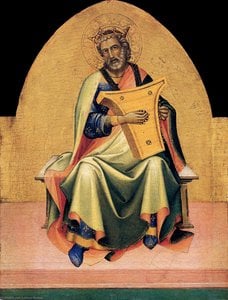
Lorenzo Monaco, rojen Piero di Giovanni okoli leta 1370 v Sieni, zavzema izjemen in pomemben položaj v prehodu od gotične elegance Trecenta do rastočih renesančnih idealov Quattrocenta. Čeprav so biografski podatki redki, njegovo umetniško potovanje razkriva prepriljivo zgodbo prilagodljivosti, inovacij in globoke duhovnosti. Po učenju v Firencah je absorbiral lekcije mojstrov kot so Giotto, Spinello Aretino in Agnolo Gaddi – umetnikov, ki so vzpostavili temelj narativne jasnosti in čustvenega odziva. Vendar pa je bilo prav njegovo sprejetje samostanskega življenja leta 1390, ko se je pridružil Camaldolskemu redu v Santa Maria degli Angeli, tisto, kar je resnično oblikovalo tako njegov umetniški identitet kot ime, po katerem je najbolj znan: Lorenzo Monaco ali “Lovrenc Menih”. Ta predanost kontemplativnemu življenju je globoko vplivala na značaj njegovega dela in ga napolnila z introspektivnostjo ter osredotočenostjo na pobožne teme.
Prepletanje Gotske Elegance z Renesančnimi Utripi
Monacova zgodnja dela, ki so se pojavila v 90. letih 14. stoletja, dokazujejo mojstrsko obvladovanje mednarodne gotike, ki je tedaj prevladovala po Evropi. Te slike so značilne zaradi njihove prefinjene elegance, občutljive linearitete in palete, ki je bila sprva zadržana v svojem kromatskem obsegu. Kljub temu se že znotraj tega uveljavljenega okvira začnejo pojavljati namigi na njegov individualni umetniški glas. Absorbiral je vplive sodobnikov kot sta Lorenzo Ghiberti in Gherardo Starnina, vključil elemente njihovih sofisticiranih kompozicij in pozornosti do detajlov. Sčasoma se je Monacov slog razvil in postal vse bolj zaznamovan z podolgovatimi figurami, oblečenimi v vijugaste, tekoče tkanine, preferenco za ostre robove in bleščeče barve – še posebej luksuzne odtenke zlata in lapis lazulija – ter subtilno, skoraj eterično kakovost svetlobe. Njegove geste so pogosto zadržane, namigujejo na notranja čustva namesto da bi jih odkrito prikazovale, njegove prostorske ureditve pa ponavadi plitke, pri čemer daje prednost simboličnemu odmevu pred strogim realizmom. Nenehno se je trudil upodobiti prizore, prežete z močno duhovno vrednoto, pogosto se distancirajoč od iskanja čiste naturalistične reprezentacije.
Mojstrovine Vere in Umetniške Inovacije
Širina Monacovega umetniškega opusa je impresivna, saj obsega panelne slike, freske in iluminirane rokopise. *Pietà*, shranjena v firenški Galeriji dell'Accademia, je pričevanje o njegovem zgodnjem mojstrstvu, ki prikazuje živčno energijo v svojih linijah in otipljiv občutek čustvene napetosti. Veliko *Koronacija Device Marije*, zdaj krasijo Uffizi Gallery, ponazarja njegov zrel slog – živo tapiserijo svetih, upodobljenih s vijugastimi oblikami in bleščečimi barvami. *Poliptih Monteoliveto*, prav tako v Galeriji dell'Accademia, razkriva globoko duhovnost, ki predvideva delo Fra Angelica. Morda je eden njegovih najbolj znanih dosežkov *Poklon Treh Kraljev* (1420-1422), kjer njegova inovativna uporaba foreshorteninga, čeprav mu manjka stroga geometrijska perspektiva, ustvari prepričljivo in vizualno osupljivo kompozicijo. Njegove freske v kapeli Bartolini Salimbeni predstavljajo eno njegovih redkih preživelih muralnih del, ki ponujajo vpogled v njegovo spretnost kot velikega dekoraterja. Ta dela ne dokazujejo le tehnične briljantnosti, temveč tudi globoko razumevanje teološke simbolike in zavezanost prikazovanju verskih pripovedi z jasnostjo in gracioznostjo.
Most Med Obdobji
Kljub revolucionarnim umetniškim tokovom, ki so premetavali Firence med njegovim življenjem – še posebej pionirskim inovacijam Masaccia in Filippa Brunelleschija v perspektivi in naturalizmu – Lorenzo Monaco ni bil bistveno prizadet s temi razvoji. Odločno je ohranil svoj značilen slog, utiral edinstveno pot, ki je premostila vrzel med pozno gotiškimi tradicijami in nastajajočo renesančno estetiko. Giorgio Vasari, ki je pisal v svojih *Življenjih umetnikov*, je priznal Monacov talent, hkrati pa opozoril na njegovo prezgodnjo smrt zaradi neidentificirane okužbe okoli leta 1425. Čeprav so biografski podatki omejeni, so njegovi prispevki k zgodovini umetnosti nedvomni. Stoji kot zadnji pomemben predstavnik Giottovega sloga, ohranjajoč njegovo zapuščino in hkrati vključujoč elemente, ki so napovedovali prihodnje umetniške spremembe. Njegova poudaritev duhovnosti, stiliziranih oblik in prefinjene elegance predstavlja značilno estetiko znotraj florentinskega slikarstva, ki pušča trajen pečat na naslednjih generacijah umetnikov.
Zapuščina in Trajni Vpliv
Delo Lorenza Monaca še naprej očara gledalce s svojo občutljivo lepoto, globoko pobožnostjo in subtilnimi inovacijami. Ni bil revolucionar v istem smislu kot Masaccio, vendar je njegov prispevek v njegovi zmožnosti sintetizirati obstoječe tradicije v harmoničen in globoko osebni slog. Dokazal je, da lahko umetniška odličnost cveti znotraj meja uveljavljenih konvencij, obogatijoč jih z individualnim izrazom in duhovno globino. Njegov vpliv je mogoče videti v delu poznejših umetnikov, ki so cenili njegovo prefinjeno tehniko in pobožnost. Danes njegove slike služijo kot dragocena okna v ključni trenutek zgodovine umetnosti – čas prehoda, eksperimentiranja in trajne moči vere, izražene skozi umetniško vizijo.



 Predogled
 Preklop na tiskanine
 Pošlji
 Deli
Deli
 Podrobnosti o delu

 Prenesi
 Podobni izdelki
 Rentgenski posnetek
 Predvajaj diaporama
 Statistika


 Razviljaj več