Življenje Prepleteno s Svetlobo in Družbo
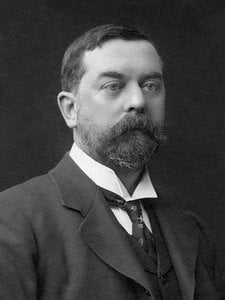
John Singer Sargent, ime sinonimno za zlato dobo in njene bleščeče portrete elegance, je bil ameriški umetnik, ki je večino svojega življenja kultiviral svoje znanje v evropskem umetniškem svetu. Rojen leta 1856 v Firencah na Portugalskem pred njegovimi ameriškimi izseljenimi starši, dr. Fitzwilliamom Sargentom in njegovo ženo Mary Newbold Sargent, je bila njegova vzgoja vse prej kot običajna. Družinova nomadska eksistenca – nenehno potovanje po Franciji, Nemčiji, Italiji in Švici – je v mladega Johna vtkala kozmopolitsko občutljivost in zgodnje izpostavljenost umetniškim zakladom Evrope. Namesto formalnega šolanja se je njegova izobrazba razvijala v dvoranah muzejev in starih cerkvah, kar je gojilo vizualno pismenost, ki bi globoko oblikovala njegovo umetniško vizijo. Ta potujoče otroštvo, čeprav brez tradicionalne strukture, je zagotovilo bogato tapiserijo kulturnih izkušenj, ki so napajale njegov razvijajoči se talent. Njegov oče, kirurg, in mati, amaterska umetnica, sta spodbujala njegove nagnjenosti, zgodnje prepoznava izjemne natančnosti njegovih opazovalnih sposobnosti. Jasno je bilo že od mladosti, da Johnova pot ne bo vodila v medicino ali konvencionalna podjetja, temveč v svet umetnosti.
Od Pariskega Ateljeja do Mojstra Portretov
Leta 1874 se je osemnajstletni Sargent odpravil na ključno poglavje svojega umetniškega razvoja z vstopom v pariški studio Carolus-Durana. To mentorstvo se je izkazalo za transformativno. Duranov poudarek na *direktnem slikanju* – tehniki, ki opušča predhodne skice in namesto tega favorizira takojšnjo uporabo barve na platno – je brusil že zdaj impresivno tehnično spretnost Sargenta in v njega vnesel osupljivo sposobnost zajemanja podob s hitrostjo in natančnostjo. Bil je revolucionaren pristop, ki je spodbujal drznost in spontanost ter postal vodilna značilnost Sargentovega sloga. Celotno je vpijal Duranove lekcije, obvladal umetnost zajemanja ne le fizične podobe, temveč tudi bistvo svojih portretiranih oseb. Hkrati se je vpisal na École des Beaux-Arts in tako še dodatno izpopolnil svoje veščine pri risanju s modelov in kipov. Vendar pa je bil prav vpliv španskih mojstrov, kot je Velázquez, ki ga je odkritje med obsežnim potovanjem po Španiji leta 1879 resnično razplamtel Sargentovo umetniško domišljijo. Očaral ga je Velazquezova mojstrstvo svetlobe, poteze čopiča in psihološke vpoglede – kvalitete, ki si jih je prizadeval posnemati skozi svojo kariero.
Navigacija po Slavnosti, Scandaalu in Umetniški Evoluciji
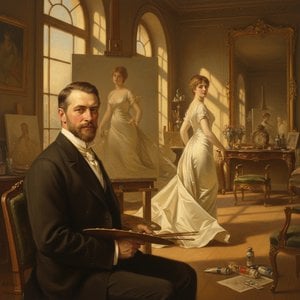
Sargent se je hitro uveljavil kot zelo iskana portretna podoba v Parizu in pritegnil naročila od elite mesta. Vendar njegova vzpon ni bil brez izzivov. Razkritje *Madame X* (Portreta Madame Pierre Gautreau) na Salonu leta 1884 je sprožil škandal, ki je ogrozil njegovo nastajajočo kariero. Podoba družbene dame Virginie Amélie Avegno Gautreau – s palčico kože, sugestivnim položajem in padlim trakom – je bila s strani pariškega društva ocenjena kot provokativna in škandalozna. Čeprav je Sargent kasneje popravil trak, je bilo škodo že storjeno. Razočarovan nad kontroverzami se je leta 1886 preselil v London, kjer je našel bolj sprejemljivo občinstvo za svoje talente. V Londonu je še naprej slikal portrete bogatih in uglednih oseb, pri čemer je z nepresegljivo spretnostjo zajemal razkošje in družbene dinamike edwardianske dobe. Kljub temu so se Sargentove umetniške ambicije raztezale izven meja naročenih portretov. Želel si je več ustvarjalne svobode in se je vse bolj posvečal slikanju pokrajin ter študijam na prostem, sprejemajoč impresionističen slog, ki je bil značilen za proste poteze čopiča, žive barve in osredotočenost na zajemanje minljivih trenutkov svetlobe in atmosfere. Te pokrajine razkrivajo drugo plat Sargenta – eno manj zaskrbljeno zaradi družbenega statusa in bolj usmerjeno v lepoto narave.
Trajna Zapuščina: Onkraj Portretov
Čeprav je bil proslavljen kot "vodilni portretni slikar svoje generacije", se Sargentova umetniška zapuščina razteza daleč onkraj njegovih mojstrskih prizorov družbenih oseb. Njegova glavna dela, kot so *El Jaleo*, dinamična upodobitva španskih plesalcev flamenka, in *Carnation, Lily, Lily, Rose*, umirjena upodobitev dveh mladih deklic v angleškem vrtu, dokazujejo njegovo vsestranost in tehnično briljantnost. Pozneje v življenju je začel ambiciozne projekt muralov, vključno z monumentalnim ciklom v Boston Public Library, ki je pokazal njegovo sposobnost prenesti svojo umetniško vizijo na velikem merilu. Njegov vpliv je mogoče videti pri delu naslednjih generacij umetnikov, ki so občudovali njegovo tehnično spretnost, drzne poteze čopiča in njegovo sposobnost zajemanja tako fizične podobe kot psihološke globine. Njegove slike še danes očarajo občinstvo po vsem svetu in ponujajo fascinanten vpogled v preteklost, hkrati pa presežejo čas s svojo trajno lepoto in tehnično mojstrstvom. Ostaja nedvomno eden najpomembnejših ameriških umetnikov svoje generacije, katerega delo še naprej navdihuje in budi občudovanje.
Vplivi in Umetniški Sorodniki
- Carolus-Duran: Njegov učitelj, ki mu je vcepil tehniko neposrednega slikanja in spodbujal spontanost.
- Diego Velázquez: Sargent je globoko občudoval Velazquezovo mojstrstvo svetlobe, poteze čopiča in psiholoških vpogledov, kar je posebej očitno v njegovih španskih delih.
- Impresionizem: Poudarek impresionistov na zajemanju minljivih trenutkov in atmosferskih učinkov je močno vplival na njegova slikanja pokrajin, kar je vodilo do prožnejšega in izrazitega sloga.
- James Abbott McNeill Whistler: Sargent je imel s Whistlerjem skupen interes za estetizem in zasledovanje "umetnosti zaradi umetnosti", kar je vplivalo na njegov pristop k kompoziciji in barvi.



 Predogled
 Preklop na tiskanine
 Pošlji
 Deli
Deli
 Podrobnosti o delu

 Prenesi
 Podobni izdelki
 Rentgenski posnetek
 Predvajaj diaporama
 Statistika


 Razviljaj več






































 Možnost stekla je na voljo le za velikosti pod 110 cm