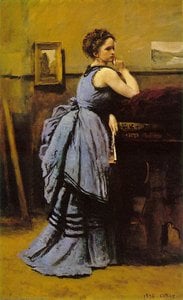
Ročno slikano olje na platnu v vaši izbiri velikosti in okvirja, izdelano po naročilu naših umetnikov. ( Kupi tisk Kupi digitalno sliko)





























Izberite eno od naših vnaprej določenih velikosti, ki ustrezajo prvotnim proporcijam umetničkega dela.

Svoje dimenzije lahko vnesete tako, da se prilagodite določenemu okvirju ali prostoru. Če izbrana velikost ne ustreza razmerjem originalne slike, bomo umetniško delo obrezali ali sliko dopolnili z dodatnimi ročno naslikanimi elementi. Pred začetkom proizvodnje vam bo poslan digitalni osnutek v odobritev.
Upoštevajte, da predogled na zaslonu ne odraža dejanskega obrezovanja ali podaljšanja. Le osnutek bo natančno prikazal končno kompozicijo.
Čeprav so na voljo velikosti po meri, priporočamo izbiro dimenzije s preddefiniranega seznama, da ohranimo originalne razmere.
Svetska dostava () za 3/4 nedelje umesto uobičajenih 5 nedelja. (7 september). Bez kompromisa po pitanju kvaliteta.


The Harpist
Velikost reprodukcije
John George Brown's "The Harpist," painted in 1870, is more than just a portrait; it’s a carefully constructed tableau of Victorian sensibilities and burgeoning American artistic aspirations. This evocative work, depicting a woman lost in the delicate strains of two harps, immediately draws the viewer into a world of quiet contemplation and musical beauty. Brown, an English immigrant who established himself as a successful artist in America during this period, masterfully captures a mood – one of wistful reflection and perhaps even a touch of sadness – that resonates deeply with the era’s fascination with romanticism and the burgeoning interest in classical music.
Brown’s technique is characterized by meticulous detail and a refined understanding of light and shadow, hallmarks of his training in England and honed through years of observation within the American art market. He employs smooth brushwork and subtle gradations of tone to create a remarkably realistic depiction of the woman's features and clothing. The use of pink hues – both in the subject’s attire and the background – contributes significantly to the painting’s overall mood, evoking feelings of tenderness and serenity. The artist demonstrates a clear command of color theory, utilizing complementary colors (pink and green/brown) to create visual harmony and depth.
"The Harpist" reflects several key trends of the 1870s. The harp itself was a potent symbol of both ancient Greece and burgeoning Romantic musical movements, representing beauty, harmony, and emotional expression. The inclusion of the violin further emphasizes this connection to music. Furthermore, Brown’s work aligns with the Victorian fascination with childhood innocence and the portrayal of women as muses or artistic inspiration – a common theme in 19th-century art. The date of 1870 places the painting squarely within a period of significant social and economic change in America, marked by industrialization and urbanization, yet Brown’s work offers a poignant counterpoint to this rapid transformation, focusing on a moment of quiet beauty and introspection.
Ultimately, “The Harpist” transcends its technical merits to evoke a powerful emotional response. The painting's subdued palette, coupled with the subject’s contemplative pose, creates an atmosphere of profound stillness and melancholy. It is a work that invites viewers to pause, reflect, and perhaps even contemplate their own relationship with music and beauty. John George Brown’s legacy lies not only in his technical skill but also in his ability to capture fleeting moments of human emotion with sensitivity and grace – a quality that continues to resonate with audiences today. This hand-painted reproduction offers an exceptional opportunity to experience the full impact of this remarkable artwork.


1831 - 1913 , Združeno kraljestvo
Odkrijte 25 mojstrovinskih del Georgesa Braqueja – pionirja kubizma! Preberite zgodbe za vsako sliko, tehnike in navdih. Reprodukcije slik visoke kakovosti za vaš dom na WahooArt.com.
Odkrijte 25 mojstrovin Georgesa Seurata, pionirja pointilizma! Preučite zgodbe za ikoničnimi slikami, kot sta 'Nedeljski dan na otoku La Grande Jatte' in 'Kopalci v Asnières'. Kvalitetne reprodukcije za vaš dom – WahooArt.com.
Explore 25 iconic John Singer Sargent paintings – from dazzling portraits to Impressionist landscapes. Discover the stories behind Madame X, El Jaleo & more! Find museum-quality art reproductions and elevate your home decor with WahooArt.com.

Odkrijte 25 mojstrovskih del Johna Constabla, angleškega slikarja romantizma. Preučite zgodbe za ikoničnimi krajinami, tehniko in lepoto narave. Kvalitetne reprodukcije slik na WahooArt.com – idealno za dekoracijo doma!
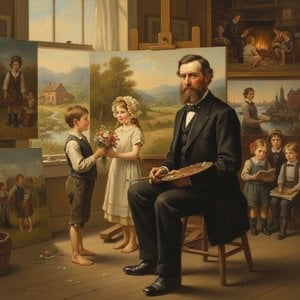
Explore the captivating genre paintings of John George Brown, celebrated for his realistic depictions of 19th-century American life. Discover his legacy & find museum-quality reproductions at WahooArt.

 Predogled
 Pošlji
 Deli
Deli
 Podrobnosti o delu

 Prenesi
 Podobni izdelki
 Rentgenski posnetek
 Predvajaj diaporama


 Razviljaj več







 Možnost stekla je na voljo le za velikosti pod 110 cm