Jeremiah Theus: Charleston’s Rococo Portraitist – Capturing Elegance in Colonial South Carolina
Charleston, SC, United States – Jeremiah Theus stands as an extraordinary figure within the nascent landscape of American art history, primarily celebrated for his prolific output of portraits executed during the opulent Rococo period that flourished in Charleston, South Carolina. Born in Chur, Switzerland, around 1716, he arrived in America with his family approximately 1740, driven by the alluring promise of land grants and colonial opportunity presented by the British Crown – a remarkable achievement considering the artistic climate prevailing at the time. His dedication to portraying the refined sensibilities of Charleston’s elite society cemented his legacy as one of the era's foremost artists.
A Window into Georgian Society: Subject Matter and Context
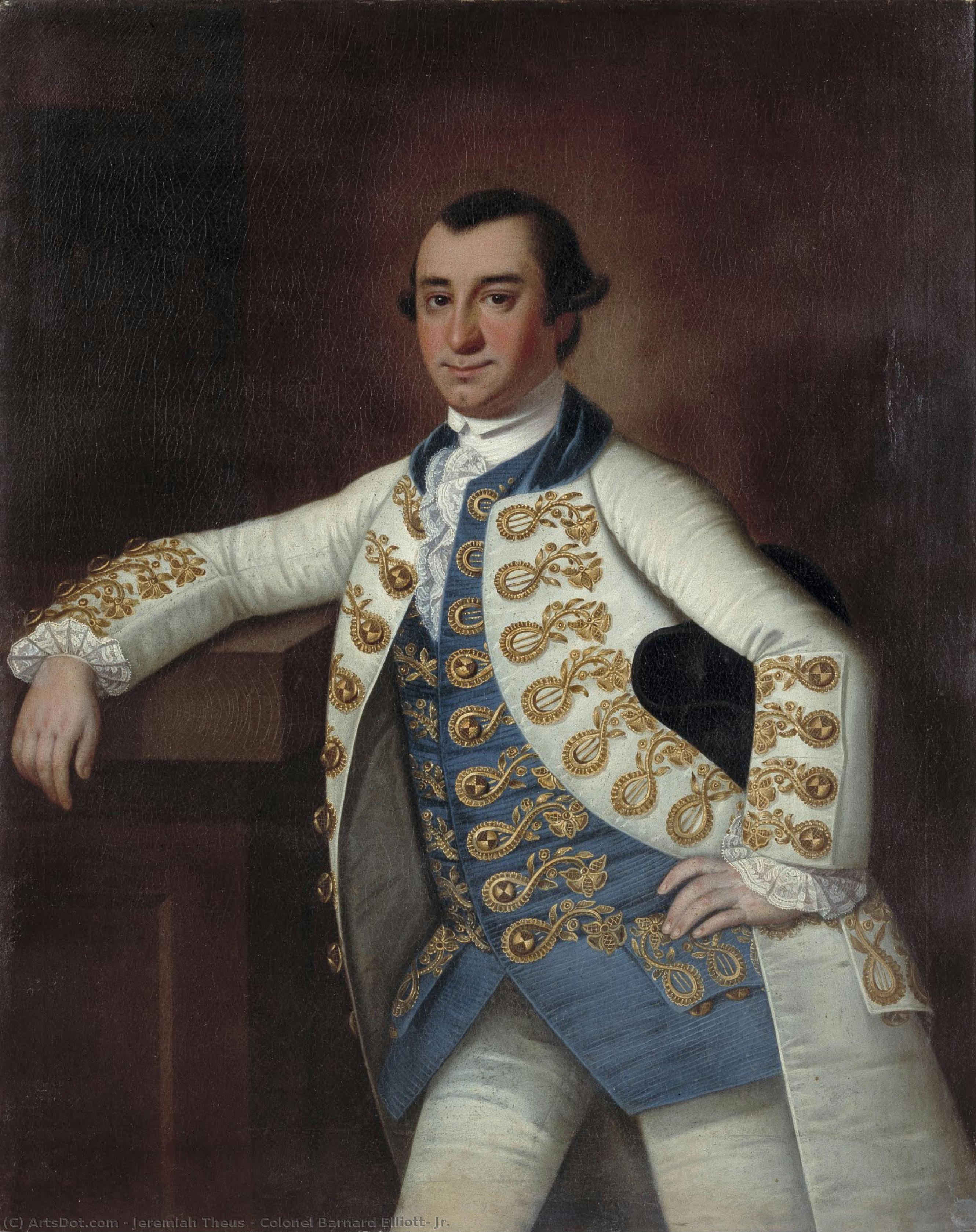
The portraits produced by Theus predominantly depict members of Charleston’s upper echelon – wealthy planters, prominent merchants, and influential families—individuals who epitomized the aspirations of Georgian society during the mid-18th century. These weren't merely likenesses; they were meticulously crafted representations intended to convey status, wealth, and social standing. The subjects themselves often posed with dignity and composure, reflecting the values of aristocratic culture prevalent in the region. Examining these portraits offers invaluable insight into the daily life, customs, and ambitions of Charleston’s influential citizens during a pivotal moment in colonial history – just before the eruption of the American Revolution.
The Rococo Style: Artistic Innovation and Influences
Theus' artistic vision was firmly rooted in the Rococo style, originating in France and swiftly gaining traction across Europe. Unlike the solemn grandeur of Baroque art, Rococo embraced fluidity, ornamentation, and pastel hues—a deliberate departure from established conventions. The influence of French artists like Jean Honoré Fragonard and François Boucher is palpable in Theus’ meticulous attention to detail and his masterful manipulation of drapery and color palettes. He skillfully adapted these European stylistic trends to the Charleston context, creating works that resonated with local tastes while simultaneously demonstrating a cosmopolitan artistic sensibility.
Technique and Craftsmanship: Mastering Oil Paint
Jeremiah Theus excelled as an oil painter, utilizing this medium to achieve unparalleled luminosity and textural richness. His technique involved layering thin glazes of pigment upon toned canvases—a painstaking process requiring considerable patience and skill. He meticulously rendered fabrics with astonishing realism, capturing the subtle folds and textures that conveyed elegance and refinement. Furthermore, he skillfully employed chiaroscuro – the dramatic interplay between light and shadow – to sculpt form and imbue his portraits with emotional depth. Theus’ mastery of oil paint exemplifies the highest standards of artistic craftsmanship prevalent during his time, resulting in images that continue to captivate viewers centuries later.
Symbolism Beyond Appearance: Reflecting Values and Aspirations
Beyond mere visual representation, Theus' portraits carried symbolic significance reflecting the values and aspirations of Charleston’s elite. Clothing choices—particularly fabrics like silk and satin—served as indicators of wealth and social status. Accessories such as jewelry and canes conveyed refinement and sophistication. The poses adopted by the subjects communicated dignity, composure, and confidence – qualities deemed essential for upholding honor and maintaining prestige within Georgian society. By capturing these subtle nuances of expression and gesture, Theus elevated his portraits beyond mere likenesses, transforming them into powerful statements about identity and social standing.
A Legacy Enduring Beauty: Emotional Impact and Artistic Significance
The portraits created by Jeremiah Theus possess an enduring beauty that transcends time—a testament to his artistic genius and the stylistic conventions of his era. They evoke a sense of aristocratic grace and refinement, transporting viewers back to Charleston’s gilded age. More importantly, they serve as invaluable documents capturing the spirit of Georgian society and offering insights into the lives and ambitions of its prominent figures. Today, reproductions of Theus' masterpieces continue to inspire admiration for both artistic excellence and historical preservation—a lasting tribute to a Swiss-born artist who indelibly shaped Charleston’s cultural heritage.


 Preverite v realnem okolju
 Naročite ročno slikano reprodukcijo
 Pošlji kot čestitko
 Deli
Deli
 Podrobnosti
 Navodila

 Prenesi
 Podobni artefakti
 Rentgenski posnetek
 Predvajaj diaporama
 Statistika


 Preberi več






































 Možnost stekla je na voljo le za velikosti pod 110 cm


