Prodajajte
x
PredogledPredogled AR predogledAR predogled Kupi ročno naslikano sliko Kupi ročno naslikano slikoKupi digitalno sliko Kupi digitalno sliko PošljiPošlji
Podrobnosti o deluPodrobnosti o delu Dodaj v priljubljene Dodaj v priljubljene PrenesiPrenesi Podobni izdelkiPodobni izdelki Rentgenski posnetekRentgenski posnetek Predvajaj diaporamaPredvajaj diaporama

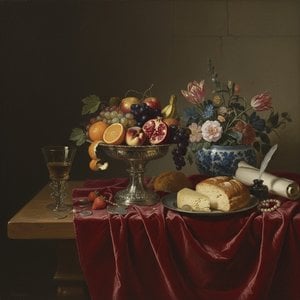
Petites chinoiseries bleues

Discover James Ensor's 'Petites Chinoiseries Bleues,' a captivating still life brimming with symbolic objects and masks, reflecting the artist’s unique vision of beauty and unsettling charm.

James Ensor je belgijski mojster ekspresionizma in surrealizma znan po svojih brezobličnih slikah, karnevalskih motivih ter groteskni estetiki. Pogosto je prikazoval smrt, družbeno kritiko in religiozno satiro.

Giclée tisk / Umetniški tisk

Giclée ali platnati odtis muzejske kakovosti z hitro proizvodnjo in prilagodljivimi možnostmi končne obdelave. (Kupi ročno naslikano sliko Kupi ročno naslikano slikoKupi digitalno sliko Kupi digitalno sliko)

P118B $10
P118H $10
P118W $10
P438Z $10
P508JH $12
P508YH $12
P805H $10
P805Z $10
P919BZ $10
P919G $10
P919XJ $10
P959ZH $10
P968JZ $12
W106C $8
W218G $10
W218JH $8
W218Y $10
W307PJ $10
W316G $10
W316PJ $8
W316Y $10
W398PJ $8
W4111J $10
W500HY $15
W500JH $15
W692G $12
W849H $8
W940BG $15
W953PJ $8

Standard
custom
CM
INCH

Izberite eno od naših vnaprej določenih velikosti, ki ustrezajo prvotnim proporcijam umetničkega dela.

širina
višina

Svoje dimenzije lahko vnesete sami, da bodo ustrezne za določen okvir ali prostor. Če izbrana velikost ne bo skladna z razmerji izvirne slike, bomo umetniško delo orezali ali podaljšali s pomočjo ogledalnega odraza ali barvno polnega roba. Pred začetkom proizvodnje vam bomo poslali digitalni predogled za potrditev.
Upoštevajte, da predogled na zaslonu ne prikazuje dejanskega orezovanja ali podaljševanja. Le digitalni predogled bo natančno prikazal končno kompozicijo.
Čeprav so na voljo prilagojene velikosti, priporočamo izbiro dimenzije s predhodno določenega seznama, da ohranite prvotna razmerja.

Globalna dostava () v 2 tednih namesto standardnih 4/5 tednov. (14 avgust)

why_choose_icon
Brezplačna ekspresna dostava po vsem svetu
why_choose_icon
Visokokakovostno laneno platno
why_choose_icon
Popolno zavarovanje pošiljke
why_choose_icon
Garancija povračila carine in uvoznih davkov
why_choose_icon
Garancija popolnega ujemanja barv
why_choose_icon
60-dnevna politika vračanja (le v primeru napak)
why_choose_icon
Garancija 100% povračila denarja
why_choose_icon
Popust pri večjem naročilu

Skupna cena

$ 68

reproduction

Petites chinoiseries bleues

Giclée tisk / Umetniški tisk

Velikost reprodukcije

-

Skupna končna cena

$ 68

Ključni podatki

  • Subject or theme: Still life, Far East
  • Influences:
    • Ensor's mother
    • Carnival masks
  • Year: 1906-1906
  • Notable elements or techniques: Chinoiserie motifs
  • Movement: Expressionism
  • Location: KMSKA, Antwerp
  • Medium: Oil on canvas

Umetniški kviz

Pri vsakem vprašanju je na voljo le eden pravilen odgovor.

Vprašanje 1:
What is the primary subject depicted in James Ensor’s ‘Petites chinoiseries bleues’?
Vprašanje 2:
The term ‘chinoiseries’ in the title refers to:
Vprašanje 3:
James Ensor is most closely associated with which artistic movement?
Vprašanje 4:
Considering Ensor’s known fascination with masks, what might the arrangement of objects in ‘Petites chinoiseries bleues’ symbolize?
Vprašanje 5:
What is the dominant color palette used in ‘Petites chinoiseries bleues’?

Opis zbirateljskega predmeta

A World Woven with Masks and Shadows: James Ensor’s “Petites Chinoiseries Bleues”

James Ensor's "Petites Chinoiseries Bleues" isn’t merely a still life; it’s a meticulously constructed tableau of unsettling beauty, a window into the artist’s uniquely fractured vision. Painted in 1906, this work embodies the core of Ensor’s artistic philosophy – a deliberate blurring of reality and dream, a fascination with the grotesque, and an exploration of the human psyche through carefully arranged objects. The painting depicts a tabletop laden with a collection of Chinese artifacts: porcelain bowls, delicate figurines, intricately patterned fans, and a scattering of bottles and cups. Yet, it’s not the objects themselves that hold primary interest, but rather their arrangement, their colors, and the subtle, almost menacing presence of figures lurking just beyond the frame. The dominant hue is a cool, melancholic blue – a color often associated with introspection, mourning, and the uncanny – which permeates the scene, lending it an atmosphere of quiet unease. This deliberate use of color, combined with Ensor’s signature style, immediately establishes a mood far removed from simple representation.

The Language of Masks and Exoticism

Ensor's preoccupation with masks is central to understanding his work, and “Petites Chinoiseries Bleues” provides a particularly potent example. The artist’s childhood spent in his parents’ souvenir shop, overflowing with carnival masks and exotic curiosities from around the world, profoundly shaped his artistic sensibility. These objects weren’t simply souvenirs; they were portals into other cultures, representations of hidden identities, and symbols of disguise. In this painting, the Chinese artifacts – particularly the porcelain figurines and the intricately patterned fans – function as metaphorical masks, concealing deeper meanings and inviting speculation about their origins and significance. The inclusion of Japanese elements—the fans and prints—further emphasizes this exoticism, reflecting Ensor’s interest in both Eastern cultures and the allure of the ‘other.’ The arrangement itself suggests a theatrical stage, with the objects positioned to create a narrative, albeit an ambiguous one.

Technique and Composition: A Deliberate Discomfort

Ensor's technique is characterized by a bold, expressive brushstroke and a masterful manipulation of color. He employs a broken, almost fragmented approach, layering paint in thick impasto to create texture and depth. The composition is carefully balanced, yet unsettlingly off-kilter. The objects are arranged with a deliberate asymmetry, creating a sense of visual tension. Notice the way the blue dominates, subtly shifting and reflecting light in unexpected ways. The figures glimpsed behind the table – often interpreted as shadowy servants or perhaps even distorted reflections of Ensor himself – contribute to this feeling of unease and suggest a hidden drama unfolding just beyond our perception. The use of light is particularly noteworthy; it’s not naturalistic but rather serves to heighten the painting's emotional impact, casting long shadows and creating areas of darkness that invite the viewer’s imagination.

Symbolism and the Artist’s Psyche

“Petites Chinoiseries Bleues” resonates with themes of isolation, mortality, and the anxieties of modern life – concerns that were increasingly prevalent in Ensor's time. The presence of skeletons (implied through the porcelain figurines) subtly references death and decay, while the overall atmosphere evokes a sense of melancholy and introspection. The painting can be interpreted as a meditation on the artificiality of appearances, the illusion of comfort, and the hidden darkness beneath the surface of everyday life. It’s a work that rewards close observation and invites repeated viewing, revealing new layers of meaning with each encounter. The title itself – “Petites Chinoiseries” – suggests a focus on small details, hinting at Ensor's ability to find profound significance in seemingly insignificant objects. Ultimately, "Petites Chinoiseries Bleues" is a testament to Ensor’s unique artistic vision—a hauntingly beautiful and deeply unsettling exploration of the human condition.

Biografija umetnika

James Ensor: A Pioneer of Expressionism and Surrealism

James Sidney Edouard Ensor (Ostend, 13 April 1860-19 November 1949) was a Belgian painter and printmaker who stands as one of the most influential figures in the development of Expressionism and Surrealism. Born into an English father and Belgian mother—a duality that profoundly shaped his artistic worldview—Ensor defied convention from the outset, rejecting academic formalism and embracing unsettling imagery rooted in psychological exploration.

Early Influences and Artistic Training

His formative years were marked by exposure to Ostend’s vibrant seaside atmosphere and his parents’ souvenir shop, which stocked exotic objects and carnival masks – stimuli that ignited his imagination and instilled a lifelong fascination with disguise. Ensor pursued formal artistic training at the Académie Royale des Beaux-Arts in Brussels, where he encountered fellow artists like Fernand Khnopff and Theo Van Rysselberghe—connections that fostered intellectual debate and propelled him beyond traditional boundaries.

A Shift Towards Grotesque Visionary Art

Around 1886-1889 Ensor embarked on a transformative stylistic journey, abandoning Impressionistic ideals for Expressionist techniques characterized by bold brushwork and vibrant color palettes. Influenced by Rembrandt’s masterful use of chiaroscuro, Francisco Goya’s unflinching depictions of human suffering, and Japanese woodcuts—a fascination with visual symbolism—Ensor developed a distinctive iconography focused on grotesque figures and unsettling narratives.

Key Masterpieces and Recurring Themes

His most celebrated works – including *Christ's Entry into Brussels* (1888-1889), *The Scandalized Masks* (1883) and *Skeletons Fighting over a Hanged Man* (1891) – exemplify Ensor’s commitment to confronting uncomfortable truths about human psychology and societal hypocrisy. Recurring themes throughout his oeuvre include death, decay, social critique, religious satire, and the boundless potential of imagination—elements that continue to resonate with audiences today.

Legacy and Influence

James Ensor's uncompromising artistic vision solidified his position as a pivotal innovator in modern art, paving the way for Expressionist artists like Edvard Munch and Surrealists like René Magritte. His rejection of academic conventions and embrace of psychological depth profoundly impacted subsequent generations of painters—establishing him as an enduring symbol of artistic rebellion and intellectual courage.

James Ensor

James Ensor

1860 - 1949 , Belgija

Hitri podatki

  • Artistic Movement Or Style: Expressionism, Surrealism
  • Artists Who Influenced This Artist:
    • Pieter Bruegel the Elder
    • Francisco Goya
    • Whistler
  • Date Of Birth: April 13, 1860
  • Date Of Death: November 19, 1949
  • Full Name: James Sidney Edouard Ensor
  • Nationality: Belgian
  • Notable Artworks:
    • The Scandalized Masks
    • Skeletons Fighting...
    • Christ's Entry into Brussels
  • Place Of Birth: Ostend, Belgium
Raziščite umetniška dela, razvrščena po temah, slogih in značilnostih.