Prodajajte


x
-
Nakupujte
Slikanje po naročilu Prilagojeni umetniški tisk Svojo fotografijo spremenite v umetniško mojstrovino Iskanje po temah Iskanje po prostorih Asistent za dekoracijo: Dnevna soba Asistent za dekoracijo: Pisarna Iskanje po priložnosti Kupite slike na zalogiKupite naše ustvaritve Raziščite atelje partnerjev Prejemite brezplačna priporočila za umetnost Zbirateljev vodnik: Izbira vašega prvega vrhunskega dela Priročnik za dekoriranje z umetniškimi reprodukcijami Storitve za darila Vodnik za podjetniška darila z umetninami Moja košarica Moj profil, Priljubljeno, Naročila
- Umetniki
- Umetninine
- Mediji in slogi
- Muzeji
-
Članki
Vsi članki Zvezdenica 100 najboljših člankov Po ključnih besedah Po kategorijah Po tonu pisanja Zgodovinski časovnica umetnosti Umetnost zbiranja: osnove Spoznavanje umetniških gibanj Vrhunska dela skozi zgodovinoBarva in čustva v umetnosti Razstavljanje umetnosti v domačem okolju Umetnost in čustva: Dekoriranje z vzdušjem in razpoloženjem Nasveti za dekoracijo po prostorih Zbirka sezonskih izpostav Umetnost kot naložba Korporativna umetnost: Vnesite ustvarjalnost v svoj pisarniški prostor Darila za poroke in obletnice Zgodbe in mnenja strank
-
Storitve
Iz fotografije v sliko Pretvorba fotografije v umetniški tisk Vaša fotografija v oblikovanem umetniškem delu Umetniški koncierž Pošljite povpraševanje za ponudbo Ekskluzivna VIP naročila Strokovna menjava vrednosti umetnin Prodajajte kot galerija Brezplačna izbira umetnin Pridobite brezplačne predloge umetniških del Od fotografije do slike: Pot personaliziranih portretov Postopek slikanja

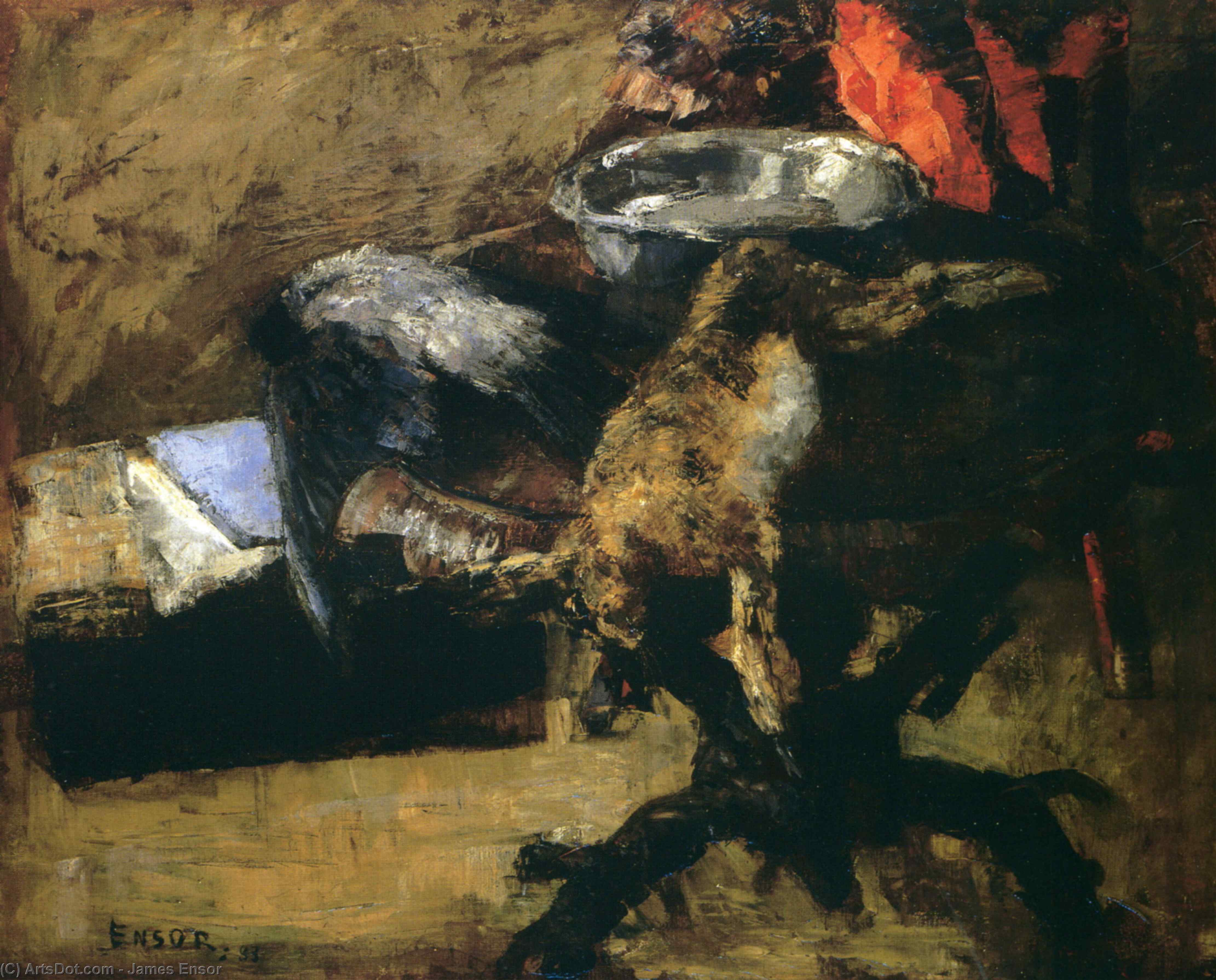
 Predogled
 Kupi ročno naslikano sliko
 Pošlji
 Deli
Deli
 Podrobnosti o delu

 Prenesi
 Podobni izdelki
 Rentgenski posnetek
 Predvajaj diaporama
 Razviljaj več






































 Možnost stekla je na voljo le za velikosti pod 110 cm