BREZPLAČNO POSVETOVANJE O UMETNOSTI

x
Kupi tiskanino Kupi tiskaninoKupi digitalno sliko Kupi digitalno sliko PošljiPošlji
PodrobnostiPodrobnosti Dodaj v priljubljene Dodaj v priljubljene PrenesiPrenesi Podobni izdelkiPodobni izdelki Rentgenski posnetekRentgenski posnetek Predvajaj diaporamaPredvajaj diaporama

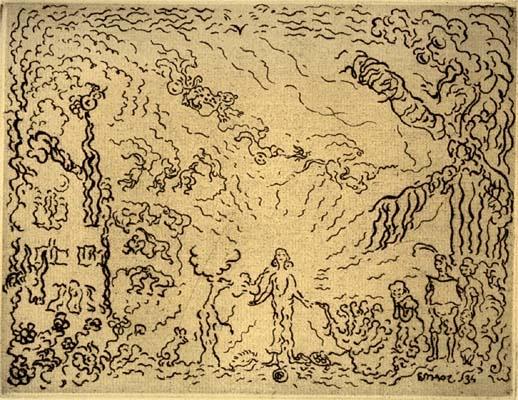
Le Diable au Moulin

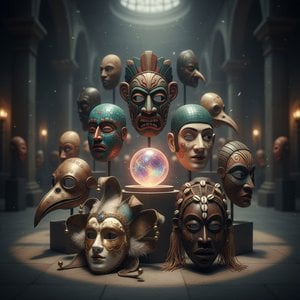
James Ensor's 'Le Diable au Moulin' plunges viewers into a surrealist nightmare of masked figures and unsettling carnival imagery, reflecting the artist’s fascination with disguise and shadows.

James Ensor je belgijski mojster ekspresionizma in surrealizma znan po svojih brezobličnih slikah, karnevalskih motivih ter groteskni estetiki. Pogosto je prikazoval smrt, družbeno kritiko in religiozno satiro.

Ročno izdelana oljna reprodukcija

Ročno slikano olje na platnu v vaši izbiri velikosti in okvirja, izdelano po naročilu naših umetnikov.

P118B $10
P118H $10
P118W $10
P438Z $10
P508JH $12
P508YH $12
P805H $10
P805Z $10
P919BZ $10
P919G $10
P919XJ $10
P959ZH $10
P968JZ $12
W106C $8
W218G $10
W218JH $8
W218Y $10
W307PJ $10
W316G $10
W316PJ $8
W316Y $10
W398PJ $8
W4111J $10
W500HY $15
W500JH $15
W692G $12
W849H $8
W940BG $15
W953PJ $8

Standard
custom
CM
INCH

Izberite eno od naših vnaprej določenih velikosti, ki ustrezajo prvotnim proporcijam umetničkega dela.

širina
višina

Svoje dimenzije lahko vnesete tako, da se prilagodite določenemu okvirju ali prostoru. Če izbrana velikost ne ustreza razmerjem originalne slike, bomo umetniško delo obrezali ali sliko dopolnili z dodatnimi ročno naslikanimi elementi. Pred začetkom proizvodnje vam bo poslan digitalni osnutek v odobritev.
Upoštevajte, da predogled na zaslonu ne odraža dejanskega obrezovanja ali podaljšanja. Le osnutek bo natančno prikazal končno kompozicijo.
Čeprav so na voljo velikosti po meri, priporočamo izbiro dimenzije s preddefiniranega seznama, da ohranimo originalne razmere.

Primeri možnih sprememb: Zamenjava obraza s fotografijo stranke; Dodajanje hišnega ljubljenčka (npr. zamenjava mačke s psom); Vključitev skritega sporočila v ozadje; Sprememba pokrajine ali elementov v ozadju.
Po oddaji naročila bo ekipa WahooArt.com stranki po e-pošti poslala navodila in predogled digitalnega predogleda.

Svetska dostava () za 3/4 nedelje umesto uobičajenih 5 nedelja. (4 julij). Bez kompromisa po pitanju kvaliteta.

why_choose_icon
Brezplačna ekspresna dostava po vsem svetu
why_choose_icon
Visokokakovostno laneno platno
why_choose_icon
Popolno zavarovanje pošiljke
why_choose_icon
Garancija povračila carine in uvoznih davkov
why_choose_icon
Garancija popolnega ujemanja barv
why_choose_icon
60-dnevna politika vračanja (le v primeru napak)
why_choose_icon
Garancija 100% povračila denarja
why_choose_icon
Popust pri večjem naročilu

Skupna cena

-

reproduction

Le Diable au Moulin

Tehnika reprodukcije

Velikost reprodukcije

-

Skupna končna cena

-

Ključni podatki

  • Subject or theme: Carnival, Shadows
  • Artistic style: Surrealism, Expressionism
  • Title: Le Diable au Moulin
  • Notable elements: Masks, figures
  • Influences:
    • masks
    • carnivals

Umetniški kviz

Pri vsakem vprašanju je na voljo le eden pravilen odgovor.

Vprašanje 1:
James Ensor is most closely associated with which artistic movement?
Vprašanje 2:
What is a prominent recurring motif in James Ensor's work, as suggested by the image description?
Vprašanje 3:
The image depicts a scene that evokes a sense of what atmosphere?
Vprašanje 4:
Based on the provided information, where did James Ensor initially receive his artistic training?
Vprašanje 5:
What does the image description suggest about Ensor’s early life and family business?

Opis umetninine

A Descent into Shadow and Spectacle: James Ensor’s *Le Diable au Moulin*

James Ensor's Le Diable au Moulin (The Devil at the Mill) is not merely a depiction of a scene; it’s an immersion. Painted in 1888, this unsettling work, now available as a meticulously crafted hand-painted reproduction from WahooArt.com, plunges the viewer into a world steeped in psychological unease and theatrical grotesqueness – a hallmark of Ensor's unique artistic vision. The painting captures a chaotic gathering at a mill, but it’s far removed from a simple rural tableau. Instead, it feels like a fever dream, a carnival of anxieties rendered with startling clarity and unsettling detail.

Ensor, born in Ostend, Belgium, in 1860, cultivated an intensely personal style deeply rooted in his childhood experiences. His parents operated a souvenir shop brimming with the paraphernalia of travel and celebration – masks, shells, and exotic objects that fueled his imagination and provided him with a rich visual lexicon. This fascination with disguise and spectacle would become central to his oeuvre, particularly evident in works like Le Diable au Moulin. The painting’s setting, a mill, is deliberately ambiguous; it's not a picturesque rural scene but rather a stage for the unfolding drama of human folly and perhaps even demonic influence.

The Language of Masks and Distortion

Ensor’s masterful use of color and composition immediately establishes an atmosphere of disorientation. The palette is dominated by jarring contrasts – sickly greens, bruised purples, and unsettling yellows – creating a sense of visual discomfort. Figures are rendered with exaggerated features and distorted proportions, reflecting the psychological turmoil at play. Notice, for example, the central figure, partially obscured yet radiating an aura of menace; his posture suggests both defiance and vulnerability. The two birds in the sky, seemingly oblivious to the chaos below, add another layer of surrealism, hinting at a detachment from earthly concerns.

The masks themselves are crucial to understanding the painting’s symbolism. They represent not just concealment but also the performance of identity – the way we present ourselves to the world and the hidden anxieties that lie beneath the surface. Ensor's use of these theatrical devices is reminiscent of his earlier works, such as *The Scandalized Masks* (1883), where he explored the unsettling power of disguise and its potential for revealing uncomfortable truths. The presence of a devil figure, subtly integrated into the scene rather than overtly displayed, reinforces this theme of hidden darkness.

Expressionism and the Seeds of Modernity

Le Diable au Moulin is widely considered to be a pivotal work in the development of Expressionism, predating many of the movement’s more well-known figures. Ensor's focus on subjective experience, emotional intensity, and distorted representation anticipates the core tenets of this artistic approach. The painting rejects academic realism in favor of conveying inner states—fear, anxiety, and a sense of impending doom—through bold color, exaggerated forms, and unsettling imagery.

Furthermore, Ensor’s work reflects the broader cultural anxieties of the late 19th century – a period marked by rapid industrialization, social upheaval, and a growing sense of alienation. The mill itself can be interpreted as a symbol of progress and modernity, but one that has become corrupted and menacing. It's a visual representation of the darker side of societal transformation.

A Reproduction Worth Savoring

WahooArt’s hand-painted reproductions capture the essence of Ensor’s genius with remarkable fidelity. Each brushstroke, each carefully chosen hue, faithfully recreates the painting’s unsettling atmosphere and complex symbolism. This isn't simply a print; it’s an experience—a chance to engage with one of the most challenging and rewarding works in modern art history. Whether you are an established collector, an enthusiastic admirer of Ensor’s work, or seeking a unique piece of art decoration for your home, Le Diable au Moulin offers a profound and unforgettable visual journey.

Explore the full detail and artistry of this captivating masterpiece at WahooArt.com today.


Biografija umetnika

James Ensor: A Pioneer of Expressionism and Surrealism

James Sidney Edouard Ensor (Ostend, 13 April 1860-19 November 1949) was a Belgian painter and printmaker who stands as one of the most influential figures in the development of Expressionism and Surrealism. Born into an English father and Belgian mother—a duality that profoundly shaped his artistic worldview—Ensor defied convention from the outset, rejecting academic formalism and embracing unsettling imagery rooted in psychological exploration.

Early Influences and Artistic Training

His formative years were marked by exposure to Ostend’s vibrant seaside atmosphere and his parents’ souvenir shop, which stocked exotic objects and carnival masks – stimuli that ignited his imagination and instilled a lifelong fascination with disguise. Ensor pursued formal artistic training at the Académie Royale des Beaux-Arts in Brussels, where he encountered fellow artists like Fernand Khnopff and Theo Van Rysselberghe—connections that fostered intellectual debate and propelled him beyond traditional boundaries.

A Shift Towards Grotesque Visionary Art

Around 1886-1889 Ensor embarked on a transformative stylistic journey, abandoning Impressionistic ideals for Expressionist techniques characterized by bold brushwork and vibrant color palettes. Influenced by Rembrandt’s masterful use of chiaroscuro, Francisco Goya’s unflinching depictions of human suffering, and Japanese woodcuts—a fascination with visual symbolism—Ensor developed a distinctive iconography focused on grotesque figures and unsettling narratives.

Key Masterpieces and Recurring Themes

His most celebrated works – including *Christ's Entry into Brussels* (1888-1889), *The Scandalized Masks* (1883) and *Skeletons Fighting over a Hanged Man* (1891) – exemplify Ensor’s commitment to confronting uncomfortable truths about human psychology and societal hypocrisy. Recurring themes throughout his oeuvre include death, decay, social critique, religious satire, and the boundless potential of imagination—elements that continue to resonate with audiences today.

Legacy and Influence

James Ensor's uncompromising artistic vision solidified his position as a pivotal innovator in modern art, paving the way for Expressionist artists like Edvard Munch and Surrealists like René Magritte. His rejection of academic conventions and embrace of psychological depth profoundly impacted subsequent generations of painters—establishing him as an enduring symbol of artistic rebellion and intellectual courage.

James Ensor

James Ensor

1860 - 1949 , Belgija

Hitri podatki

  • Artistic Movement Or Style: Expressionism, Surrealism
  • Artists Who Influenced This Artist:
    • Pieter Bruegel the Elder
    • Francisco Goya
    • Whistler
  • Date Of Birth: April 13, 1860
  • Date Of Death: November 19, 1949
  • Full Name: James Sidney Edouard Ensor
  • Nationality: Belgian
  • Notable Artworks:
    • The Scandalized Masks
    • Skeletons Fighting...
    • Christ's Entry into Brussels
  • Place Of Birth: Ostend, Belgium
Raziščite umetniška dela, razvrščena po temah, slogih in značilnostih.