Preverite v realnem okolju Predogled v AR Preklop na tiskanine Preklop na digitalno sliko Pošlji kot čestitko
Podrobnosti Guide Dodaj v priljubljene Prenesi Podobni artefakti Rentgenski posnetek Predvajaj diaporama Statistika

Le Christ agonissant

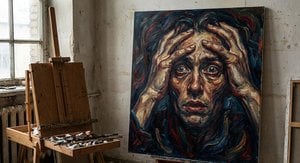
Witness the raw emotion of James Ensor's 'Le Christ agonissant.' This unsettling depiction of the crucifixion, rendered in pencil and drypoint, captures profound suffering & explores themes of mortality & faith.

James Ensor je belgijski mojster ekspresionizma in surrealizma znan po svojih brezobličnih slikah, karnevalskih motivih ter groteskni estetiki. Pogosto je prikazoval smrt, družbeno kritiko in religiozno satiro.

Ročno izdelana oljna reprodukcija

Ročno slikano olje na platnu v vaši izbiri velikosti in okvirja, izdelano po naročilu naših umetnikov. ( Preklop na tiskanine Preklop na digitalno sliko)

P118B $10
P118H $10
P118W $10
P438Z $10
P508JH $12
P508YH $12
P805H $10
P805Z $10
P919BZ $10
P919G $10
P919XJ $10
P959ZH $10
P968JZ $12
W106C $8
W218G $10
W218JH $8
W218Y $10
W307PJ $10
W316G $10
W316PJ $8
W316Y $10
W398PJ $8
W4111J $10
W500HY $15
W500JH $15
W692G $12
W849H $8
W940BG $15
W953PJ $8

Standardna velikost
po meri
CM
INCH

Izberite eno od naših vnaprej določenih velikosti, ki ustrezajo prvotnim proporcijam umetničkega dela.

širina
višina

Svoje dimenzije lahko vnesete tako, da se prilagodite določenemu okvirju ali prostoru. Če izbrana velikost ne ustreza razmerjem originalne slike, bomo umetniško delo obrezali ali sliko dopolnili z dodatnimi ročno naslikanimi elementi. Pred začetkom proizvodnje vam bo poslan digitalni osnutek v odobritev.
Upoštevajte, da predogled na zaslonu ne odraža dejanskega obrezovanja ali podaljšanja. Le osnutek bo natančno prikazal končno kompozicijo.
Čeprav so na voljo velikosti po meri, priporočamo izbiro dimenzije s preddefiniranega seznama, da ohranimo originalne razmere.

Primeri možnih sprememb: Zamenjava obraza s fotografijo stranke; Dodajanje hišnega ljubljenčka (npr. zamenjava mačke s psom); Vključitev skritega sporočila v ozadje; Sprememba pokrajine ali elementov v ozadju.
Po oddaji naročila bo ekipa WahooArt.com stranki po e-pošti poslala navodila in predogled digitalnega predogleda.

Mednarodna dostava () v 3/4 tednih namesto običajnih 5 tednov. (21 september). Brez kompromisov pri kakovosti.

why_choose_icon
Brezplačna ekspresna dostava po vsem svetu
why_choose_icon
Visokokakovostno laneno platno
why_choose_icon
Popolno zavarovanje pošiljke
why_choose_icon
Garancija povračila carine in uvoznih davkov
why_choose_icon
Garancija popolnega barvnega ujemanja
why_choose_icon
Politika vračila v 100 dneh (le v primeru okvar)
why_choose_icon
Garancija 100% povračila denarja
why_choose_icon
Popust pri večjem naročilu

Skupna cena

$ 272

reproduction

Le Christ agonissant

Tehnika reprodukcije

Velikost reprodukcije

-

Skupna cena

$ 272

Hitri podatki

  • Influences:
    • Romanticism
    • Realism
  • Location: Private Collection
  • Artist: James Ensor
  • Title: Le Christ agonissant
  • Subject or theme: Crucifixion of Christ
  • Notable elements: Dramatic scene, red hues
  • Artistic style: Dark, unsettling

A Descent into Suffering: James Ensor’s *Le Christ Agonissant*

James Ensor's Le Christ Agonissant (The Anguishing Christ) is not merely a depiction of the crucifixion; it is a profound and unsettling plunge into the depths of human suffering, rendered with a visceral intensity that continues to resonate with viewers over a century after its creation. Painted in oil on canvas around 1896, this monumental work exemplifies Ensor’s unique artistic vision – one characterized by a preoccupation with psychological states, masked figures, and a distinctly macabre aesthetic. The painting's scale alone commands attention, immediately drawing the viewer into the heart of the scene, where the agony of Christ is presented not as a pious spectacle but as a raw, almost unbearable experience.

  • Subject Matter: The central focus is undeniably the crucifixion of Jesus Christ, yet Ensor’s interpretation diverges sharply from traditional religious iconography. He strips away any sense of serene devotion, presenting instead a scene saturated with anguish and despair.
  • Style & Technique: Ensor's style can be categorized as Symbolist, though he deliberately rejected academic conventions. His brushwork is thick and expressive, employing impasto to build texture and convey the physicality of pain. The use of color – predominantly deep reds, blacks, and browns – amplifies the dramatic effect, evoking a sense of blood, darkness, and mortality.

The Shadowed World of Ensor’s Imagination

Born in Ostend, Belgium, in 1860, James Ensor was profoundly shaped by his upbringing amidst a vibrant yet unsettling environment. His father, an English merchant, and his mother, a Belgian artist, provided him with a unique cultural perspective – one that fostered both curiosity and a deep awareness of the darker aspects of human nature. The souvenir shop operated by his parents, filled with carnival masks, shells, and other curiosities, served as a constant source of inspiration, fueling his fascination with disguise, illusion, and the hidden emotions beneath the surface. This influence is strikingly evident in Le Christ Agonissant, where figures are often obscured or distorted, suggesting a world of psychological turmoil rather than literal representation.

Symbolism and Emotional Resonance

The painting’s symbolism is layered and deliberately ambiguous. The surrounding figures – men and women with averted gazes, some weeping, others seemingly indifferent – represent the diverse reactions to suffering that Ensor observed in society. Their masks, subtly incorporated into their faces, reinforce the theme of disguise and the difficulty of truly confronting pain. The overall atmosphere is one of profound isolation and despair, reflecting Ensor’s own anxieties about mortality, illness, and the perceived corruption of modern life. The red hues are not simply representative of blood; they symbolize passion, violence, and the consuming nature of suffering.

Historical Context & Legacy

Le Christ Agonissant was created during a period of significant social and artistic upheaval in Europe. The late 19th century witnessed rapid industrialization, urbanization, and a growing sense of alienation – themes that resonated deeply with Ensor’s work. His painting aligns with the Symbolist movement's rejection of realism and its exploration of subjective experience. Ensor’s unflinching portrayal of suffering established him as a pivotal figure in 20th-century art, influencing generations of artists who sought to challenge conventional representations of religious themes and explore the darker recesses of the human psyche. The painting remains a powerful testament to Ensor's artistic genius and his ability to evoke profound emotional responses through his unsettling yet captivating imagery.


Biografija umetnika

James Ensor: A Pioneer of Expressionism and Surrealism

James Sidney Edouard Ensor (Ostend, 13 April 1860-19 November 1949) was a Belgian painter and printmaker who stands as one of the most influential figures in the development of Expressionism and Surrealism. Born into an English father and Belgian mother—a duality that profoundly shaped his artistic worldview—Ensor defied convention from the outset, rejecting academic formalism and embracing unsettling imagery rooted in psychological exploration.

Early Influences and Artistic Training

His formative years were marked by exposure to Ostend’s vibrant seaside atmosphere and his parents’ souvenir shop, which stocked exotic objects and carnival masks – stimuli that ignited his imagination and instilled a lifelong fascination with disguise. Ensor pursued formal artistic training at the Académie Royale des Beaux-Arts in Brussels, where he encountered fellow artists like Fernand Khnopff and Theo Van Rysselberghe—connections that fostered intellectual debate and propelled him beyond traditional boundaries.

A Shift Towards Grotesque Visionary Art

Around 1886-1889 Ensor embarked on a transformative stylistic journey, abandoning Impressionistic ideals for Expressionist techniques characterized by bold brushwork and vibrant color palettes. Influenced by Rembrandt’s masterful use of chiaroscuro, Francisco Goya’s unflinching depictions of human suffering, and Japanese woodcuts—a fascination with visual symbolism—Ensor developed a distinctive iconography focused on grotesque figures and unsettling narratives.

Key Masterpieces and Recurring Themes

His most celebrated works – including *Christ's Entry into Brussels* (1888-1889), *The Scandalized Masks* (1883) and *Skeletons Fighting over a Hanged Man* (1891) – exemplify Ensor’s commitment to confronting uncomfortable truths about human psychology and societal hypocrisy. Recurring themes throughout his oeuvre include death, decay, social critique, religious satire, and the boundless potential of imagination—elements that continue to resonate with audiences today.

Legacy and Influence

James Ensor's uncompromising artistic vision solidified his position as a pivotal innovator in modern art, paving the way for Expressionist artists like Edvard Munch and Surrealists like René Magritte. His rejection of academic conventions and embrace of psychological depth profoundly impacted subsequent generations of painters—establishing him as an enduring symbol of artistic rebellion and intellectual courage.

James Ensor

James Ensor

1860 - 1949 , Belgija

Ključne informacije

  • Artistic Movement Or Style: Expressionism, Surrealism
  • Artists Who Influenced This Artist:
    • Pieter Bruegel the Elder
    • Francisco Goya
    • Whistler
  • Date Of Birth: April 13, 1860
  • Date Of Death: November 19, 1949
  • Full Name: James Sidney Edouard Ensor
  • Nationality: Belgian
  • Notable Artworks:
    • The Scandalized Masks
    • Skeletons Fighting...
    • Christ's Entry into Brussels
  • Place Of Birth: Ostend, Belgium
Raziščite umetniška dela, razvrščena po temah, slogih in značilnostih.