BREZPLAČNO POSVETOVANJE O UMETNOSTI

x
Kupi tiskanino Kupi tiskaninoNaročite reprodukcijo Naročite reprodukcijo PošljiPošlji
PodrobnostiPodrobnosti Dodaj v priljubljene Dodaj v priljubljene PrenesiPrenesi Podobni izdelkiPodobni izdelki Rentgenski posnetekRentgenski posnetek Predvajaj diaporamaPredvajaj diaporama

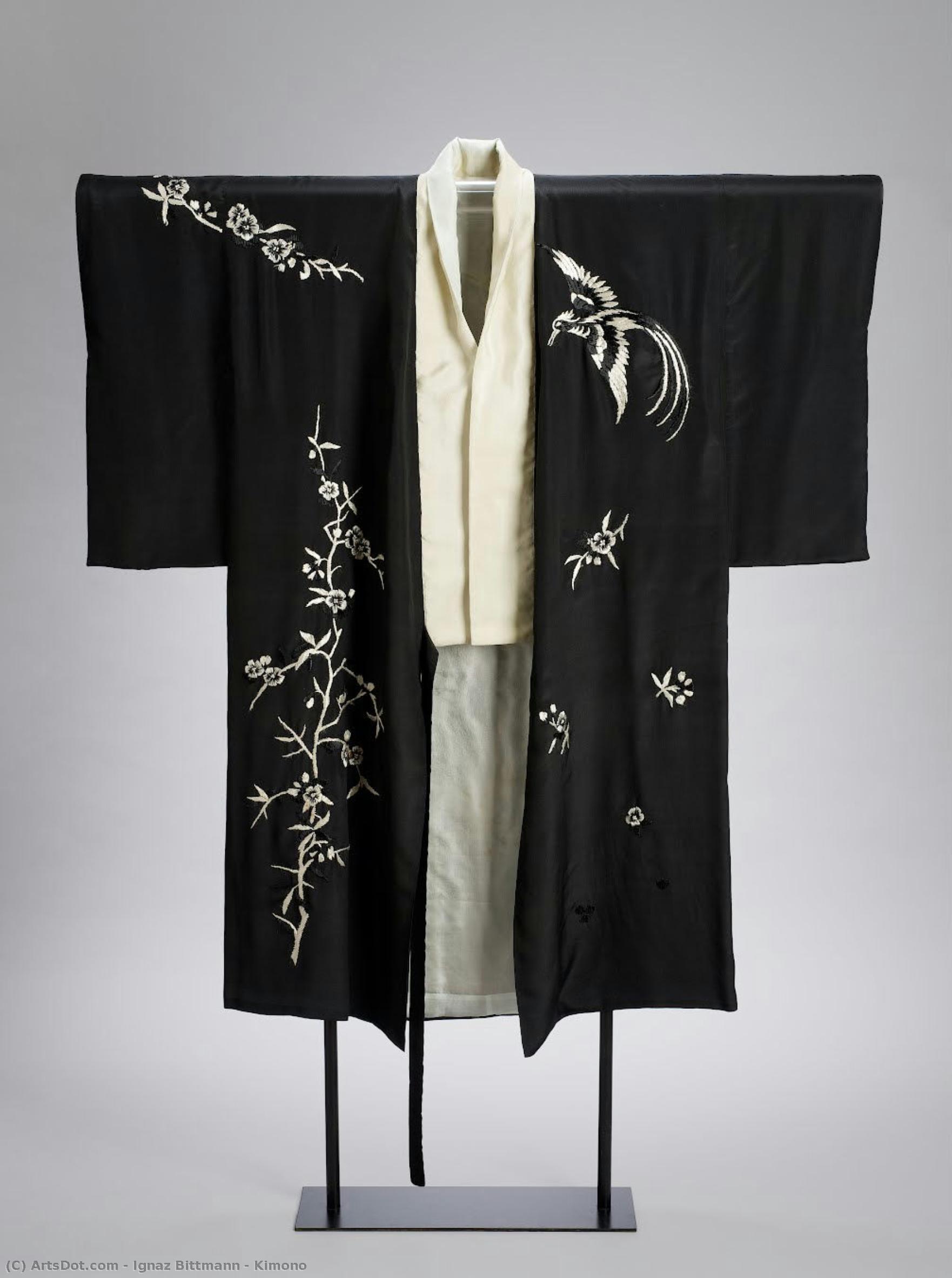
Kimono

Discover Ignaz Bittmann's exquisite kimonos & Austrian textile designs! Explore his innovative approach to fashion during the Austro-Hungarian Empire – a unique artistic legacy.

Kupite digitalno sliko visoke ločljivosti z izboljšano kakovostjo, ki je precej boljša od spletnega predogleda.

Vsaka datoteka je pod natančnim nadzorom naših strokovnjakov, ki uporabljajo napredna orodja in strokovno ročno obdelavo. Zagotovimo, da ima vsaka slika izjemno jasnost, natančnost barv in fine podrobnosti.

Končna datoteka je po e-pošti dostavljena v 72 urah, optimizirana za takojšnjo uporabo v profesionalnem, uredniškem in tiskarskem okolju. To je kakovost, ki ji zaupajo vrhunska oblikovalna studia, založniki in galerije.

Digitalna slika

Prenesite datoteko visoke ločljivosti za osebno uporabo, tiskanje in kreativne projekte.

Skupna cena

$9.99

Vključeno v vsako naročilo digitalne slike

Zagotovljena strokovna digitalna dostava

Ko izberete WahooArt.com, ne prejmete le slike – prejmete digitalno umetniško delo, ki je profesionalno urejeno, izdelano z natančnostostjo in zavestno zagotovljeno z garancijo za zadovoljstvo. Tukaj je vse, kar samodejno prejmete z vašim naročilom:

shipping_icon
Hitra dostava prek e-pošte

Vaša digitalna slika visoke ločljivosti bo na vaš e-naslov poslana v roku 72 ur od zaklopa naročila – pripravljena za takojšnjo uporabo.

canvas_icon
Digitalna datoteka z umetno inteligenco

Vaše umetniško delo je strokovno optimizirano z uporabo naprednih orodij umetne inteligence in ročne obdelave, kar zagotavlja največjo stopnjo podrobnosti, jasnosti in barvne natančnosti.

insurance_icon
Brezplačna ponovna dostava za vse življenje

Ste zaradi nespremietne napake izgubili ali izbrisali svojo datoteko? Ni težav – vam jo bomo ponovno poslali kadar koli in brezplačno.

tax_icon
Brez uvoznih pristojbin – vedno

Uživajte v svojem umetniškem delu takoj, brez carin, davkov ali stroškov dostave – digitalni prenosi so vedno brezdavčni.

color_icon
Zagotovilo natančnosti barv

Z uporabo profesionalnih orodij in upravljanja barv zagotavljamo, da vaša digitalna slika čim bolj natančno odraža prvotne barve.

return_icon
60-dnevna garancija zadovoljstva

Če niste zadovoljni s svojo digitalno sliko, jo bomo uredili ali vam v 60 dneh povrnili 100% denarja – brez kakršnih koli vprašanj.

guarantee_icon
100% Garancija povračila denarja

Niste zadovoljni? Zagovрите popoln povračilo sredstev v 60 dneh po prejemu digitalne datoteke – brez kakršnih koli vprašanj.

discount_icon
Popusti pri večjem številu naročil

Kupite 3 slike, prihranite 10% - Kupite 5 slik, prihranite 15% - Kupite 10+ slik, prihranite 20%. Odlično za kreativne projekte, galerije in agencije.

Opis digitalnega artefakta

Made of black silk with a light blue lining, and embroidered with Japanese motifs in black and white silk thread, this kimono was once in the wardrobe of Countess Klára Hadik-Barkóczy, née Zichy (1875–1946). It has the label of Ignaz Bittmann (1851–1913) sewn into the lining; the Viennese textile manufacturer was one of the largest producers of children’s clothing in Austria-Hungary, a manufacturer of lingerie, and a purveyor to the court.The colourful silks and kimonos displayed in the Japanese pavilion of the 1900 Exposition Universelle of Paris made a strong impression on the fashion scene of Paris and, subsequently, of Europe. Several companies exported original Japanese kimonos, photos and drawings of them appeared in fashion magazines, and this Japanese garment became popular in Europe.

Sorodna umetniška dela


Biografija umetnika

Ignaz Bittmann – A Pioneer of Austrian Textile Art

Ignaz Bittmann (1851-1913) stands as a singular figure in the annals of Austro-Hungarian art and design, recognized primarily for his transformative role in elevating Austrian textile production to international prominence. Born in Vienna, Austria, he emerged from humble beginnings—a modest draper’s shop—to become a visionary entrepreneur who fundamentally reshaped the aesthetic landscape of his era. His legacy extends far beyond mere commerce; Bittmann championed innovation and artistic excellence, establishing himself as a pivotal catalyst for cultural advancement.
  • Early Life & Education: Bittmann pursued his formal education diligently at Benedictine Grammar School in Merano, honing his intellectual prowess before embarking on studies at the University of Vienna’s Faculty of Medicine. While initially focused on medicine, his artistic inclinations quickly surfaced, foreshadowing a lifelong fascination with design and craftsmanship.
  • The Birth of Bittmann Textilfabrik: Recognizing the burgeoning demand for fashionable fabrics—particularly jersey—Bittmann established Bittmann Textilfabrik in 1879. This venture wasn’t simply about profit; it was driven by a genuine desire to elevate Austrian textile manufacturing standards and introduce cutting-edge techniques into Viennese ateliers.
  • Revolutionizing Textile Production: Bittmann's brilliance lay in his understanding of the zeitgeist—the spirit of the age—and his ability to translate this awareness into tangible artistic breakthroughs. He spearheaded the adoption of mechanized weaving looms, dramatically increasing output and fostering a collaborative environment between artisans and engineers. This pioneering approach fundamentally altered Viennese textile production, establishing it as a benchmark for Europe.
  • The Jersey Fabric & Its Impact: The introduction of jersey fabric—a revolutionary knitwear material—marked a watershed moment in fashion history. Bittmann’s astute observation of Parisian trends propelled this innovative textile into widespread acceptance, transforming menswear and subsequently influencing women's attire. His foresight cemented his reputation as an artistic innovator who anticipated future stylistic developments.
  • Legacy & Recognition: Bittmann’s influence resonated throughout the Austro-Hungarian Empire and beyond. He fostered a vibrant artistic community in Vienna, nurturing talent and championing experimentation—a testament to his unwavering belief in the transformative power of creativity. Today, Ignaz Bittmann is remembered not merely as a textile manufacturer but as an artist who irrevocably shaped Viennese culture and elevated Austrian design to unparalleled heights.

Exploring Bittmann’s Artistic Vision

Bittmann's artistic sensibilities extended beyond the realm of textiles; he possessed a profound appreciation for landscape painting, particularly Alpine vistas—a passion that would inform his stylistic choices throughout his career. His canvases captured the grandeur and serenity of the Austrian Alps with remarkable precision and sensitivity, reflecting an aesthetic rooted in Romantic ideals. He skillfully blended meticulous observation with expressive brushwork, conveying both topographical accuracy and emotional depth.
  • Alpine Landscapes: Bittmann’s landscapes exemplify a commitment to capturing the sublime—the awe-inspiring beauty of nature—with unwavering fidelity. His compositions prioritize atmospheric perspective and tonal gradation, creating immersive vistas that evoke feelings of tranquility and grandeur.
  • Still Lifes: Similarly, Bittmann's still lifes showcased his mastery of form and color, presenting meticulously arranged objects with understated elegance. He employed subtle shading techniques to sculpt the contours of his subjects, emphasizing texture and materiality.
  • Influence & Style: Bittmann’s artistic style drew inspiration from Academic Classicism—a dominant aesthetic movement during his time—characterized by idealized forms and harmonious compositions. However, he infused this tradition with a distinctly personal vision, resulting in artworks that are both technically proficient and emotionally resonant.

Notable Works

Bittmann produced several notable paintings that exemplify his artistic prowess and capture the spirit of the Austro-Hungarian era. Among these masterpieces are:
  • “The Alpine Lake” (circa 1890): This panoramic landscape portrays a crystalline alpine lake nestled amidst towering peaks, bathed in soft sunlight—a quintessential depiction of Austrian Alpine scenery.
  • “Fruit Basket” (circa 1895): Bittmann’s still life presents an assortment of luscious fruits arranged on a rustic wooden table—a testament to his meticulous attention to detail and masterful use of color.
  • “Portrait of Franziska Preisler” (circa 1897): This portrait captures the serene beauty of Franziska Preisler, Bittmann’s wife, conveying her grace and dignity with understated elegance.

Historical Context & Significance

Ignaz Bittmann's artistic career unfolded against the backdrop of a transformative period in European history—the Austro-Hungarian Empire—characterized by rapid industrialization, social upheaval, and burgeoning artistic experimentation. His embrace of Academic Classicism reflected the prevailing cultural sensibilities of his time, yet he simultaneously championed innovation and pursued stylistic refinements that distinguished him from his contemporaries. Bittmann's legacy endures as a symbol of Austrian artistic tradition and a testament to the enduring power of beauty and craftsmanship. He remains an important figure in the history of textile art and fashion design, whose contributions continue to inspire artists and designers today.
ignaz bittmann

ignaz bittmann

1851 - 1913 , Austria

Ključne informacije

  • Artistic Movement Or Style: Textile Art
  • Date Of Birth: February 23, 1851
  • Full Name: Ignaz Bittmann
  • Nationality: Austrian
  • Notable Artworks: ['Kimono']
  • Place Of Birth: Vienna, Austria