Slikar Ruševin in Vizij: Svet Huberta Roberta
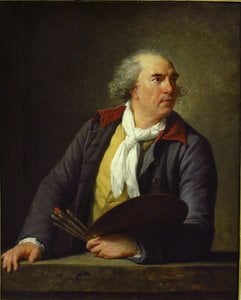
Hubert Robert, ime sinonim za čudovite pokrajine in romantični očar ruševin, zavzema edinstven položaj v francoski umetnosti 18. stoletja. Rojeni Parižan leta 1733 je njegovo življenje potekalo na ozadju spreminjajočih se umetniških slogov in monumentalnih zgodovinskih pretresov – od igrive elegance rokokoa do zore neoklasicizma, in končno skozi burna leta francoske revolucije. Ni samo dokumentiral propad; ustvarjal vizije, prepletal opazovanje z domišljijo, da bi ustvaril prizore, ki so odmevali s nostalgijo po preteklosti in pričakovanjem prihodnosti. Njegova pot se je začela v strukturiranem svetu umetniškega usposabljanja, sprva pod kiparjem Michel-Ange Slodtzom, ki je prepoznal njegov talent, a ga modro usmeril proti slikarstvu, občutek, da bi se njegova prava poklicala našla v ujemanju svetlobe, atmosfere in subtilne poezije oblike.
Rimski Snovi: Oblikovanje Umetniške Identitete
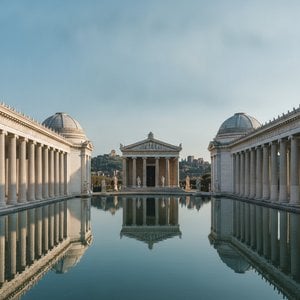
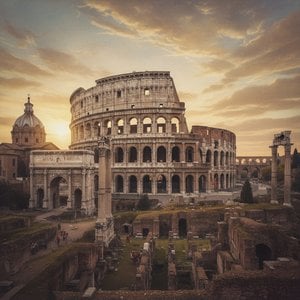
Ključni trenutek Robertovega umetniškega razvoja je prišel z njegovim podaljšanim bivanje v Rimu leta 1754. Spremljal je Étienne-Françoisa de Choiseula in se potopil v svet, prežet zgodovino in arhitekturno veličastnostjo. Enajst let je starodavno mesto postalo njegov studio na prostem, njegove propadajoče templje, mogočne loke in zaraščene vrtove so spodbudili njegovo domišljijo. To ni bil samo o replikaciji tega, kar je videl; šlo je za interpretacijo, ponovno zamišljanje in prežemanje s čutom melanholične lepote. Delal je z Giovannijem Paulom Paninijem, katerega vpliv je viden v Robertovih zgodnjih *capriccio* kompozicijah – fantastičnih pogledih, ki so postavili klasične ruševine ob bok sodobnem življenju. Vendar se je Robert hitro premaknil onkraj imitacije in razvil svoj prepoznaven slog, za katerega so bili značilni natančni detajli, atmosferska perspektiva in globoka občutljivost na igro svetlobe in sence. Ni samo slikal ruševine; slikal je čas sam, zajemal subtilno lepoto prehodnosti in trajno moč spomina. Njegove skicnice iz tega obdobja so dragoceni zapisi njegovih opazovanj, polni podrobnih študij rimskih znamenitosti, kot so Villa d'Este in Caprarola, ki dokazujejo oster pogled za arhitekturno nianso in kompozicijo pokrajine.
Pariški Ugled in Kraljevska Podpora
Robertov povratek v Pariz leta 1765 je pomenil prelomnico v njegovi karieri. Hitro si je pridobil priznanje znotraj umetniške ustanove, zagotovil si sprejem v Académie Royale de Peinture et de Sculpture s sliko "Pristanišče Rima, okrašeno z različnimi arhitekturnimi spomeniki, starodavnimi in modernimi." Njegove naslednje razstave na Salonu so požele široko pohvalo, očarale občinstvo s svojimi sugestivnimi upodobitvami ruševin in slikovitih pokrajin. Denis Diderot, pomembna osebnost razsvetljenstva, je slavil veličastnost, ki jo je vzbudilo Robertovo slikarstvo, prepoznal njegovo sposobnost, da popelje gledalce v drug čas in prostor. Ta uspeh je vodil do kraljevske podpore, s naročili za dekorativne projekte in imenovanjem za "Zasnovalca kraljevih vrtov" in pozneje "Čuvaja kraljevih slik". Postal je iskan umetnik, ne samo za svoja slika na stojalu, ampak tudi za svoje inovativne zasnove za vrtove in palačne interierje. Njegovo delo je odmevalo prevladajoči okus za *capriccio* slikarstvo – žanr, ki je pritegnil zbiratelje, fascinirane zgodovino, arheologijo in idilično – a ga je Robert obogatil s svojo edinstveno občutljivostjo, ga dvignil nad čisto dekorativno umetnost.
Revolucija, Odpornost in Trajna Dedščina
Francoska revolucija je predstavljala nepredvidljivo izziv za Roberta. Medtem ko so se mnogi umetniki trudili navigirati po burnem političnem podnebiu, se je znašel ujet v prepletenih tokovih sprememb. Celo zaprt med vladavino terorja – pretresljiva izkušnja, ki jo je navdihnila serija risb, ki dokumentirajo njegov čas v zaporu. Kljub temu je vztrajno slikal skozi vse to obdobje in pokazal neomajno predanost svoji umetnosti. Po revoluciji je bil Robert imenovan za kustosa novo ustanovljenega Muséum Central des Arts – prihodnjega Musée du Louvre – dokaz njegove strokovnosti in predanosti ohranjanju kulturne dediščine. Igrial je ključno vlogo pri organizaciji in katalogiziranju muzejske zbirke, zagotavljal pa je, da so bile francoske umetniške zaklade za bodoče generacije varne. Hubert Robert je umrl v Parizu leta 1808 in za seboj pustil izjemen opus, ki še vedno navdihuje občudovanje. Njegova dediščina ne leži v njegovi tehnični mojstrskosti, ampak tudi v njegovi edinstveni sposobnosti prepletanja zgodovinske natančnosti z domišljijsko vizijo. Pioniriral je žanr slikarstva, ki je slavil lepoto propada in trajno moč človeške ustvarjalnosti, s čimer si je utrdil mesto kot ključna osebnost, ki povezuje rokokojo in neoklasicizem ter predvideva vidike romantizma s svojim zanimanjem za zgodovino in domišljijo.
- Ključni vplivi: Giovanni Paolo Panini, Piranesi, arhitekturna pokrajina Rima.
- Glavne teme: Ruševine, pokrajine, *capriccio* slike, zgodovinski spomin, prehod časa.
- Umetniški slog: Natančni detajli, atmosferska perspektiva, sugestivna osvetlitev, prepletanje opazovanja z domišljijo.



 Preverite v realnem okolju
 Preklop na tiskanine
 Pošlji kot čestitko
 Deli
Deli
 Podrobnosti
 Navodila

 Prenesi
 Podobni artefakti
 Rentgenski posnetek
 Predvajaj diaporama
 Statistika

 Preberi več






































 Možnost stekla je na voljo le za velikosti pod 110 cm