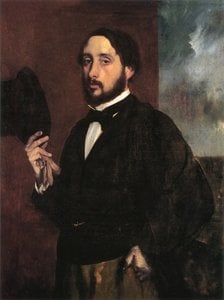
Življenje Prepleteno z Gibom
Hilaire-Germain-Edgar De Gas, rojen leta 1834 v Parizu, je bil umetnik fascinantnih protislovij. Čeprav ga pogosto uvrščajo med impresioniste – Monet, Renoir in drugi, ki so revolucionarno spremenili slikarstvo s koncem 19. stoletja – se je temu oznaki aktivno upiral, raje pa se je opredelil kot realizem. Ta zaveza je izvirala iz njegove natančne opazovalnosti sveta okoli njega in predanosti prikazovanju tega brez prikrivanja. Degasov zgodnje življenje je bilo udobno meščansko; njegov oče je bil bankir, mati pa je prihajala iz kreolskega družinskega ozadja v New Orleansu. Ta okolje mu je omogočalo dostop do izobrazbe in umetniškega usposabljanja, čeprav se je pogosto upiral akademskim omejitvam. Sprva se je vpisal na Lycée Louis-le-Grand, toda njegova prava izobraževanja se je začela, ko je začel prepisovati dela v Louvru, s tem pa je brusil svoje vešče in prižgal življenjsko strast do klasične umetnosti. Vendar pa ni bila Degasova pot sledenje tradiciji; zaznamovana je bila s konstantnim spraševanjem in ponovno ocenjevanjem umetniških norm. Imel je neodvisen duh, ki je definiral njegovo celotno kariero.
Onkraj Impresionizma: Edinstvena Vizija
Medtem ko so sodobniki, kot je Monet, lovili mimojeteče učinke svetlobe na prostem, je Degas večinoma deloval v mejah svojega ateljeja in natančno konstruiral prizore iz opazovanj in spominov. Njegova tematika je bila nedvomno moderna – odstopanje od zgodovinskih ali mitoloških tem, ki so jih cenili mnogi akademski slikarji. Navdih je črpal iz vsakdanjega življenja parižanov: pralnic, kabarejskih pevcev, klobčarjev in najbolj znane baletnih plesalcev. Natančno je ta fascinacija z baletom, ki definira veliko njegovih del. Degas ni le slikala lepih balerin; zajela je trdo realnost njihove poklicnosti – neskončne vaje, fizično obremenitev, bežne trenutke milosti sredi sveta trdega dela. Njegove kompozicije so pogosto neobičajne, figure obrezuje na nepričakovanih mestih in uporablja asimetrične razporeditve, ki ustvarjajo občutek dinamike in izjemnosti. Bil je mojster zajemanja gibanja, ne s zamegljenimi linijami ali meglenimi učinki, temveč skozi natančno opazovanje in skrbno upodabljanje oblike.
Plesalka, Skupina plesalk in
Ženske, ki si urejejo lase so vrhunski primeri te predanosti prikazovanju človeške figure v gibanju in razkrivanju kompleksnosti sodobnega življenja. Ni bil zainteresiran za površinsko lepoto; iskal je resnico pod površjem.
Vplivi in Umetniška Razvoj
Degasova umetniška pot je bila oblikovana s pestro paleto vplivov. Njegovo zgodnje usposabljanje je poudarjala klasične načela, zlasti delo Jean-Auguste-Dominique Ingresa, katerega poudarek na risbi in natančni formi je pustil trajen pečat. Vendar pa je občudoval tudi realiziste, kot je Gustave Courbet, ki je izzival akademske konvencije in podpiral prikaz sodobnega življenja. Ključen trenutek v njegovem razvoju je prišel skozi njegovo povezavo s Camille Pissarrom, vodilnim impresionistom, ki ga je seznanil z drugimi umetniki in spodbujal k eksperimentiranju z novimi tehnikami. Bil je očaran z japonskimi natisnki –
Ukiyo-e – ki so vplivale na njegovo uporabo asimetričnih kompozicij, sploščenih perspektiv in drznih vzorcev. Sprejel je tudi fotografijo, pri čemer je prepoznal njen potencial kot orodja za proučevanje gibanja in zajemanje mimojetečih trenutkov v času. Ta pripravljenost na vključitev različnih vplivov v svoje delo je tisto, kar ločuje Degasa in prispeva k edinstvenemu značaju njegove umetnosti. Ni se ustrašil posodabljanja iz različnih virov, sintetiziral pa jih je v nekaj povsem novega.
Zapuščina in Trajni Vpliv
Edgar Degas je umrl leta 1917 v Parizu in za sabo pustil delo, ki še danes navdušuje in navdihuje občinstvo. Njegov inovativni pristop k kompoziciji, njegovo mojstrstvo risbe in njegov brezkompromisni prikaz sodobnega življenja so imeli globok vpliv na potek umetnostne zgodovine. Odprl je pot prihodnjim generacijam umetnikov, ki so si želeli prelomiti tradicionalne konvencije in raziskati nove načine predstavljanja sveta okoli njih. Njegov vpliv je mogoče videti v delu Pabla Picassa in Henrija Matissea med drugimi. Muzeji po vsem svetu – vključno z Musée d'Orsay in Musée de l’Orangerie v Parizu – ganjajo pomembne zbirke njegovih slik, pastelov, skulptur in grafik, kar zagotavlja, da bo njegova zapuščina trajala še dolgo. Degas ni bil le slikar plesalcev ali dirkačev; je bil izjemen opazovalec človeške narave, mojster oblike in gibanja ter pravi inovator, ki je ponovno definiral možnosti umetnosti.
- Mojster linije: Degasovo izjemno risarsko znanje ga je ločevalo.
- Sodobno življenje kot tema: Osredotočil se je na pariška sodobna prizorišča, kar je pomenilo odstopanje od tradicije.
- Vpliv na prihodnje umetnike: Njegovo delo je globoko vplivalo na Picassa in Matissea.



 Predogled
 Kupi ročno naslikano sliko
 Pošlji
 Deli
Deli
 Podrobnosti o delu

 Prenesi
 Podobni izdelki
 Rentgenski posnetek
 Predvajaj diaporama
 Statistika


 Razviljaj več






































 Možnost stekla je na voljo le za velikosti pod 110 cm