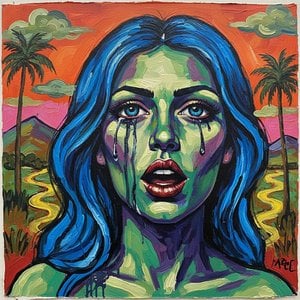
Življenje Prežeto s Barvo: Svet Henrija Matissea
Henri Émile Benoît Matisse, rojen 31. decembra 1869 v majhni severnofrancoski vasici Le Cateau-Cambrésis, ni bil usojen za življenje, ki bi ga zaznamovale pigmente in oblike. Sprva je po končani srednji šoli v Parizu študiral pravo, a se je njegova pot drastično spremenila leta 1889 po okužbi z apendicitisom. Med okrevanjem je odkril latentno strast, ki jo je razplamtelo preprosto dejanje slikanja s kompletom slikarskih potrebščin, ki mu jih je podarila mati. To ni bila le odlika; bil je razkritje – trenutek, ki ga je odvlekel stran od pravnih spisov in proti svetu, v katerem bi postala barva njegov jezik, platno pa njegovo kraljestvo. Odraščal je v Bohain-en-Vermandois, kot sin trgovcev z žitom, sprva se je zdel neverjeten za življenje boemskega umetnika, a seme je bilo zasajeno, negovano s convalescenco in razcvetelo v življenjsko predanost. Vpisal se je na Académie Julian, kasneje pa še na École Nationale des Beaux-Arts, kjer sta ga poučevala William-Adolphe Bouguereau in Gustave Moreau, vpijal klasične tehnike, ki so mu stale ob strani pri prihodnjih inovacijah. Njegova zgodnja dela so odražala to akademsko usposobljenost, pokazala znanje, a manjkalo je značilnega glasu, ki bi kmalu definiral njega.
Zoranja Fauvizma in Drzne Eksperimente
Ključni trenutek je prišel leta 1896 med obiskom Belle Île z avstralskim slikarjem Johnom Russellom. To srečanje se je izkazalo za transformativno. Russell mu je predstavil živahni svet impresionizma in še pomembneje, strastna platna Vincenta van Gogha. Vpliv je bil globok. Van Goghjeva ekspresivna uporaba barve je uničila Matissejevo dosedanjo zadržano paleto, spodbujala ga k bolj odvažnemu in subjektivnemu pristopu. Začel se je oddaljevati od zemljih tonov in sprejemati odtenke, ki so resonirali s čustvi namesto striktne reprezentacije. To raziskovanje je vrhunsko pripeljalo do nastanka fauvizma okoli leta 1905 – gibanja, v katerem je Matisse postal vodilna figura. Ime samega, kar pomeni "divje zveri", so sprva kritično označevali za skupino slikarskih del, ki so bila šokantno živahna in nestriktno naravarska, razstavljena na Salonu d'Automne.
Matisse je bil skupaj z umetniki kot sta André Derain in Maurice de Vlaminck zagovornik intenzivne barve kot samostojnega elementa izraza, poenostavljal oblike za povečanje njenega vpliva. Slike, kot je
The Gourds (1905), utelešajo ta slog – razkošje rdeče, zelene in rumene barve, naneseno s svobodo, ki je ignoriralo tradicionalno perspektivo in mimetično natančnost. Ključne značilnosti so bile intenzivno nasičene palete, poenostavljene oblike, izrazni potezi čopiča ter namenit zavrnitev konvencionalne reprezentacije v prid čustvenemu odzivu.
Izpopolnjevanje in Dekorativna Harmonija
Po prvotnem navdušenju fauvizma je Matissejev slog doživel subtilen, a pomemben razvoj. Čeprav ni nikoli zapustil svoje ljubezni do barve, so se njegova dela izboljšala, nagibajoč k dekorativni estetiki, ki poudarja sploščene oblike in zapletene vzorce. Raziskoval je teme prostega časa, domačnosti in človeške figure v mirnih okoljih, ustvarjal kompozicije, ki so bile hkrati harmonične in čustveno resonanantne. Selitev v Nico na francoski Rivièri leta 1917 je dodatno pripomogla k tej spremembi, obdarila pa njegovo delo s čutom mirnosti in klasičnega ravnovesja. Začel se je osredotočiti na ustvarjanje okolij – slik, skulptur in dekorativnih predmetov – ki so obvladala gledalca v atmosferi lepote in umiritve. Ta obdobje je zaznamovalo eksperimentiranje z različnimi mediji, vključno s keramiko in tekstilom, razširjajoč njegovo umetniško vizijo izven tradicionalnega platna. Ni le prikazoval prizorov; ustvarjal svete, zasnovane za sprožanje določenega čustvenega odziva.
Pozne Lete: Inovacije Skozi Omejitve
Ko je upad zdravja omejil Matisseovo zmožnost slikanja na tradicionalen način, se je podal na izjemno novo poglavje svojega umetniškega potovanja – ustvarjanje izrezanih papirnatih kolažev (*découpages*). Že okoli leta 1947 so ta dela nastala zaradi potrebe. Omejen na invalidski voziček ni mogel fizično stati in slikati, vendar je lahko še vedno manipuliral s papirjem z škarjami. Tisto, kar se je začelo kot praktično rešitev, se je razvilo v revolucionarno umetniško tehniko. Bi barval velike liste papirja v živahne barve, nato pa jih izrezal v oblike – organske oblike, listje, figure – in jih uredil na platno, ustvarjal kompozicije, ki so bile dinamične in zavajajoče preproste. Ti *découpages* niso bili le nadomestilo za slikanje; predstavljali so nov način razmišljanja o barvi, obliki in kompoziciji. Nadaljevali so njegovo življenjsko raziskovanje teh elementov, pokazali pa trajno umetniško vizijo tudi v primeru fizičnih omejitev.
- Tehnika izrezovanja mu je omogočila doseči čistost oblike in barve, ki jo je bilo težko doseči s sliko.
- Ta dela so pogosto referirala na zgodnejše teme in motive iz njegovih slik, vendar so jih predstavila na svež in inovativen način.
- Prikazali so njegovo sposobnost prilagajanja in razvoja kot umetnika skozi celotno kariero.
Trajna Zapuščina: Matisseov Vpliv na Sodobno Umetnost
Henri Matisse je umrl v Nici leta 1954 in za seboj pustil delo, ki še naprej navdihuje in očara občinstvo po vsem svetu. Njegov vpliv na svet umetnosti je neizrecen; izzval je konvencionalne predstave o reprezentaciji, zagovarjal izrazno moč barve in utiral pot prihodnjim generacijam umetnikov. Pogosto se ga uvrščajo skupaj s Pablom Picassom kot enim največjih vplivnih likov 20. stoletja, Matisse je temeljito oblikoval modernizem. Njegova zapuščina sega izven njegovih del – obseča filozofijo praznovanja veselja, lepote in transformativnega potenciala barve. Ni le slikAL to, kar je videl; ustvarjal čustveno izkušnjo za gledalca, vabijo ga, da si delijo njegovo vizijo sveta, ki je prekrit s svetlobo in živahnimi odtenki.
Matisse'ov vpliv je mogoče opaziti v neshtetih delih umetnikov iz različnih disciplin, kar utrjuje njegov položaj pravega mojstra sodobne umetnosti – slikarja, ki se je upal videti svet ne takšnega, kot je, temveč takšnega, kakršen bi lahko bil, poln barve, harmonije in neskončne možnosti.



 Preverite v realnem okolju
 Naročite ročno slikano reprodukcijo
 Pošlji kot čestitko
 Deli
Deli
 Podrobnosti
 Navodila

 Prenesi
 Podobni artefakti
 Rentgenski posnetek
 Predvajaj diaporama
 Statistika
 Preberi več






































 Možnost stekla je na voljo le za velikosti pod 110 cm