


Giclée ali platnati odtis muzejske kakovosti z hitro proizvodnjo in prilagodljivimi možnostmi končne obdelave. ( Kupi ročno naslikano sliko Kupi digitalno sliko)





























Izberite eno od naših vnaprej določenih velikosti, ki ustrezajo prvotnim proporcijam umetničkega dela.

Svoje dimenzije lahko vnesete sami, da bodo ustrezne za določen okvir ali prostor. Če izbrana velikost ne bo skladna z razmerji izvirne slike, bomo umetniško delo orezali ali podaljšali s pomočjo ogledalnega odraza ali barvno polnega roba. Pred začetkom proizvodnje vam bomo poslali digitalni predogled za potrditev.
Upoštevajte, da predogled na zaslonu ne prikazuje dejanskega orezovanja ali podaljševanja. Le digitalni predogled bo natančno prikazal končno kompozicijo.
Čeprav so na voljo prilagojene velikosti, priporočamo izbiro dimenzije s predhodno določenega seznama, da ohranite prvotna razmerja.
Globalna dostava () v 2 tednih namesto standardnih 4/5 tednov. (6 september)


Sleep
Velikost reprodukcije
Gustave Courbet’s “Sleep,” completed in 1866, stands as a cornerstone of Realism—a movement that vehemently rejected Romantic idealism and championed an unflinching portrayal of the observable world. More than just a depiction of two women resting peacefully together, this painting embodies Courbet's profound conviction that art should reflect the realities of everyday life, challenging the conventions of its era.
Painted during a period marked by social unrest and artistic experimentation, “Sleep” reflects Courbet’s engagement with contemporary debates surrounding artistic freedom and societal representation. While acknowledging influences from Romantic artists like Delacroix and Géricault—particularly in their dramatic use of light and color—Courbet decisively distanced himself from Romantic sentimentality. He sought to depict the human condition without embellishment, mirroring the spirit of the burgeoning Realist movement.
"Sleep" transcends mere visual representation; it speaks to themes of vulnerability, intimacy, and the quiet beauty of domestic life. The positioning of the women—one leaning against the other—suggests a connection rooted in mutual comfort and support. Courbet’s masterful rendering captures not just physical repose but also an emotional stillness that invites contemplation. It's a painting that reminds us to appreciate the simple pleasures of existence and to find solace in moments of quiet reflection – a testament to Courbet’s enduring legacy as one of art history’s most uncompromising voices.


1819 - 1877 , Francija
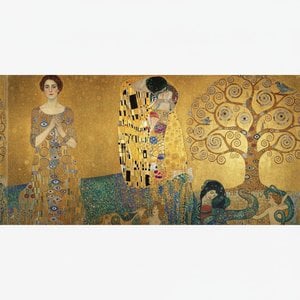
Odkrijte 25 čudovitih del Gustava Klimta – od zlate secesije do portretov in simbolizma. Preberite zgodbe za vsako umetnino in poiščite popolno reprodukcijo za vaš dom na WahooArt.com.

Explore 10 defining masterpieces of Romantic Realism! Discover Courbet, Millet & Daumier's powerful paintings—capturing emotion and social realities. Find museum-quality reproductions for your home at WahooArt.com.

Explore the revolutionary art of Gustave Courbet, pioneer of Realism. Discover his iconic paintings, social commentary, and lasting impact on 19th-century French art history. Expert analysis & insights.

Odkrijte 10 mojstrovin realizma, ki so zaznamovale umetnost! Gustave Courbet, Millet & Daumier – spoznajte zgodbe in tehniko. Najboljše reprodukcije slik za vaš dom na WahooArt.com!

Explore 10 iconic realism artworks by Courbet, Millet & more! Discover the stories behind these masterpieces of 19th-century painting. Find museum-quality art reproductions and elevate your home decor with WahooArt.com.

 Predogled
 Pošlji
 Deli
Deli
 Podrobnosti o delu

 Prenesi
 Podobni izdelki
 Rentgenski posnetek
 Predvajaj diaporama


 Razviljaj več







 Možnost stekla je na voljo le za velikosti pod 110 cm


