


 GraphiteArt Nouveau
 1908Modern
 7.0 x 36.0 cm
 Albertina
Ročno slikano olje na platnu v vaši izbiri velikosti in okvirja, izdelano po naročilu naših umetnikov. ( Kupi tisk Kupi digitalno sliko)





























Izberite eno od naših vnaprej določenih velikosti, ki ustrezajo prvotnim proporcijam umetničkega dela.

Svoje dimenzije lahko vnesete tako, da se prilagodite določenemu okvirju ali prostoru. Če izbrana velikost ne ustreza razmerjem originalne slike, bomo umetniško delo obrezali ali sliko dopolnili z dodatnimi ročno naslikanimi elementi. Pred začetkom proizvodnje vam bo poslan digitalni osnutek v odobritev.
Upoštevajte, da predogled na zaslonu ne odraža dejanskega obrezovanja ali podaljšanja. Le osnutek bo natančno prikazal končno kompozicijo.
Čeprav so na voljo velikosti po meri, priporočamo izbiro dimenzije s preddefiniranega seznama, da ohranimo originalne razmere.
Svetska dostava () za 3/4 nedelje umesto uobičajenih 5 nedelja. (7 september). Bez kompromisa po pitanju kvaliteta.


Seated Seminude (Study for
Velikost reprodukcije
In the vast, shimmering landscape of Gustav Klimt’s Golden Phase, where gold leaf and intricate mosaics often command the viewer's attention, there exists a profound beauty in his more intimate, stripped-back explorations. Seated Seminude (Study for Judith I), created in 1908, offers a breathtaking departure from the artist's characteristic opulence, presenting instead a masterclass in restraint and psychological depth. This delicate drawing captures a female figure in a state of serene repose, her legs crossed as she sits gracefully upon the ground. There is no grand drama here, only the quiet, heavy stillness of a moment caught in time. The subject’s gaze, directed softly into the distance, invites the observer to wonder what occupies her thoughts, transforming a simple anatomical study into a window onto an inner world of introspection and calm.
The technical brilliance of this piece lies in Klimt's ability to breathe life into paper through meticulous line work. Eschewing the heavy ornamentation of his famous murals, the artist utilizes sophisticated hatching and cross-hatching techniques to sculpt the human form. These fine, rhythmic strokes create a palpable sense of volume and texture, allowing the light to dance across the subtle musculature and the soft folds of drapery. The monochromatic palette focuses the viewer's eye entirely on the interplay of shadow and light, proving that Klimt’s mastery of form was just as potent in graphite as it was in gold. For the discerning collector or interior designer, this work provides a sophisticated anchor for a space, offering a sense of classical elegance paired with a modern, minimalist sensibility.
To understand the significance of this study, one must look toward the monumental works it helped birth. This drawing served as an essential preparatory stage for Klimt’s legendary mural, Judith I, commissioned for the Österreichisches Kunstgebäude in Vienna. While the finished mural is celebrated for its complex psychological narratives and Byzantine-inspired patterns, this study reveals the foundational truth of the composition. It represents the artist's search for emotional authenticity—the process of distilling a grand, heroic narrative down to its most vulnerable and human element. In this seated figure, we see the quiet gravity that would eventually support the larger-than-life drama of the biblical Judith.
Beyond its historical importance, the artwork carries a symbolic weight that resonates deeply with contemporary sensibilities. The posture of the figure—compact, protective, and inward-turning—speaks to themes of vulnerability and the sanctity of solitude. It is an embodiment of the Vienna Secession spirit: a movement that sought to break free from rigid academic traditions to find a more personal, symbolic truth. For those looking to adorn a home or gallery with a piece that inspires peace and intellectual curiosity, this reproduction offers much more than mere decoration; it provides a timeless connection to one of the most transformative eras in art history.

1862 - 1918 , Avstrija
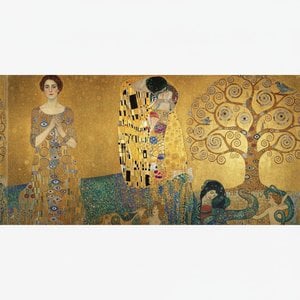
Odkrijte 25 čudovitih del Gustava Klimta – od zlate secesije do portretov in simbolizma. Preberite zgodbe za vsako umetnino in poiščite popolno reprodukcijo za vaš dom na WahooArt.com.

Odkrijte 10 ikoničnih mojstrovin Art Nouveauja – Klimt, Mucha & Gaudí! Potopite se v zgodbe za temi umetnosti in najdite navdih za svojo notranjost. Visokokakovostne reprodukcije na WahooArt.com!

Odkrijte 10 mojstrin, ki so definirale simbolizem! Gustave Moreau, Odilon Redon & več – potopite se v svet čustev in sanj. Umetnostni reprodukciji za vaš dom na WahooArt.com!

Odkrijte 25 mojstrovin Georgesa Seurata, pionirja pointilizma! Preučite zgodbe za ikoničnimi slikami, kot sta 'Nedeljski dan na otoku La Grande Jatte' in 'Kopalci v Asnières'. Kvalitetne reprodukcije za vaš dom – WahooArt.com.

Odkrijte 25 mojstrovin Marka Rothka – ikonične slike ekspresionizma, polne barv in emocij. Preberite zgodbe za vsako umetnino in obogatite svoj dom z reprodukcijami vrhunske kakovosti na WahooArt.com.

 Predogled
 Pošlji
 Deli
Deli
 Podrobnosti o delu

 Prenesi
 Podobni izdelki
 Rentgenski posnetek
 Predvajaj diaporama
 Razviljaj več







 Možnost stekla je na voljo le za velikosti pod 110 cm


