Predogled v realnem okolju Predogled v AR Kupite ročno slikano delo Preklop na digitalno sliko Pošlji
Podrobnosti o delu Priročnik Dodaj v priljubljene Prenesi sliko Podobni izdelki Rentgenski posnetek Predvajaj diaporama Q&A Statistika

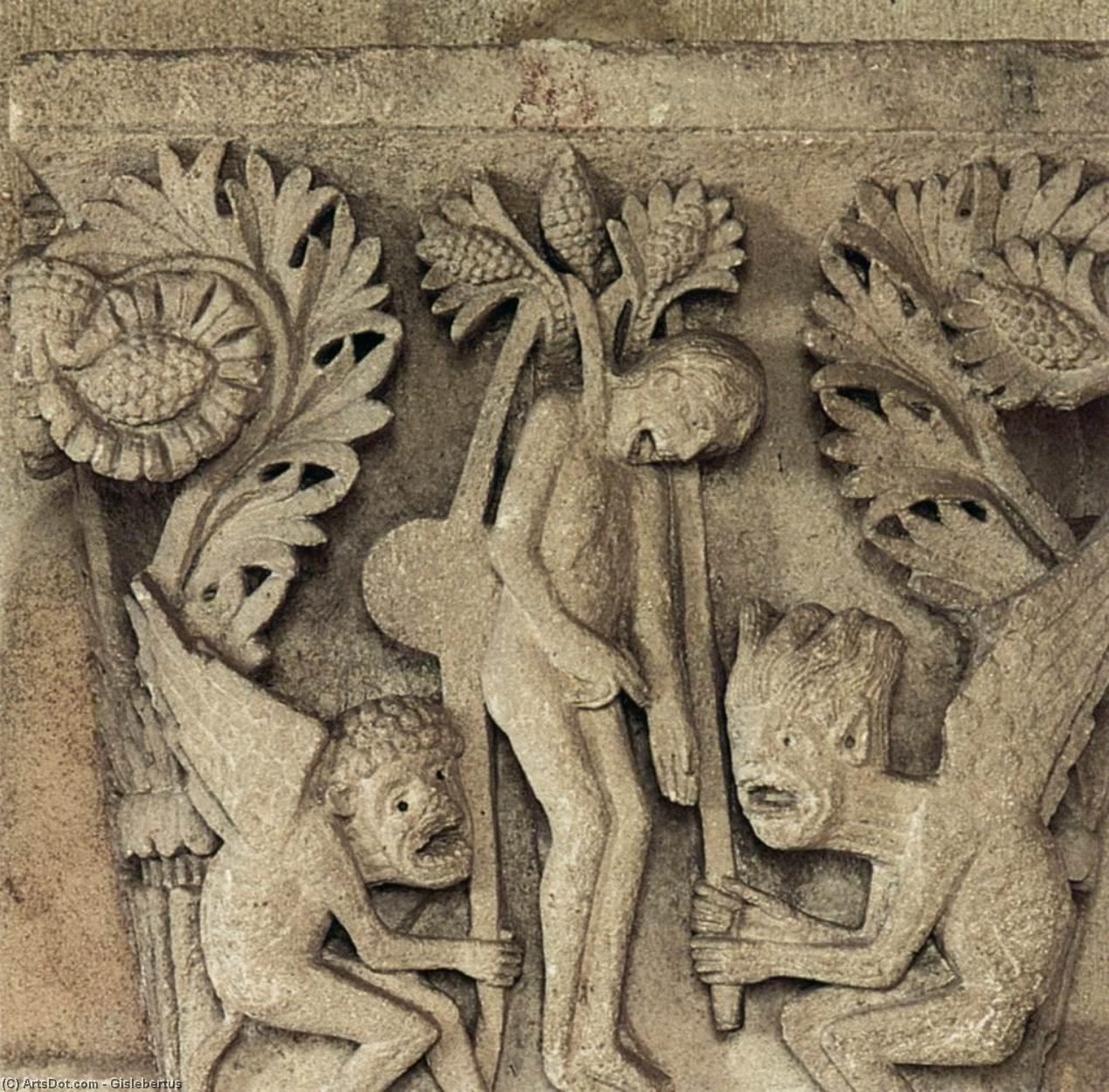
Samomor Judas

Izjemna romanske kipanje Gislebertusa iz katedrale sv. Lavra v Avtunu prikazuje samomor Judasa, simbol izdaje Kristusa. Podroben pogled na umetniško delo znanega francoskega mojstra.

Discover Gislebertus: French Romanesque sculptor of Autun Cathedral's stunning tympanums & Eve sculpture. Explore his biblical themes & influence on Gothic art.

Giclée tisk / Umetniški tisk

Giclée ali platnati odtis muzejske kakovosti z hitro proizvodnjo in prilagodljivimi možnostmi končne obdelave. ( Kupite ročno slikano delo Preklop na digitalno sliko)

Corner sample of the P118B picture frame: izoblit polistiren, 5 cm wide and 3 cm thick
P118B €10
Corner sample of the P118H picture frame: izoblit polistiren, 5 cm wide and 3 cm thick
P118H €10
Corner sample of the P118W picture frame: izoblit polistiren, 5 cm wide and 3 cm thick
P118W €10
Corner sample of the P438Z picture frame: izoblit polistiren, 5.5 cm wide and 3.5 cm thick
P438Z €10
Corner sample of the P508JH picture frame: izoblit polistiren, 7 cm wide and 3.5 cm thick
P508JH €12
Corner sample of the P508YH picture frame: izoblit polistiren, 7 cm wide and 3.5 cm thick
P508YH €12
Corner sample of the P805H picture frame: izoblit polistiren, 5 cm wide and 3.5 cm thick
P805H €10
Corner sample of the P805Z picture frame: izoblit polistiren, 5 cm wide and 3.5 cm thick
P805Z €10
Corner sample of the P919BZ picture frame: izoblit polistiren, 7 cm wide and 3.5 cm thick
P919BZ €10
Corner sample of the P919G picture frame: izoblit polistiren, 7 cm wide and 3.5 cm thick
P919G €10
Corner sample of the P919XJ picture frame: izoblit polistiren, 7 cm wide and 3.5 cm thick
P919XJ €10
Corner sample of the P959ZH picture frame: izoblit polistiren, 5 cm wide and 3 cm thick
P959ZH €10
Corner sample of the P968JZ picture frame: izoblit polistiren, 6 cm wide and 4 cm thick
P968JZ €12
Corner sample of the W106C picture frame: masivno drevo, 5 cm wide and 3 cm thick
W106C €8
Corner sample of the W218G picture frame: masivno drevo, 5 cm wide and 3 cm thick
W218G €10
Corner sample of the W218JH picture frame: masivno drevo, 5 cm wide and 3 cm thick
W218JH €8
Corner sample of the W218Y picture frame: masivno drevo, 5 cm wide and 3 cm thick
W218Y €10
Corner sample of the W307PJ picture frame: masivno drevo, 6 cm wide and 3 cm thick
W307PJ €10
Corner sample of the W316G picture frame: masivno drevo, 6 cm wide and 3 cm thick
W316G €10
Corner sample of the W316PJ picture frame: masivno drevo, 6 cm wide and 3 cm thick
W316PJ €8
Corner sample of the W316Y picture frame: masivno drevo, 6 cm wide and 3 cm thick
W316Y €10
Corner sample of the W398PJ picture frame: masivno drevo, 5 cm wide and 3 cm thick
W398PJ €8
Corner sample of the W4111J picture frame: masivno drevo, 6.5 cm wide and 3.5 cm thick
W4111J €10
Corner sample of the W500HY picture frame: masivno drevo, 7 cm wide and 5 cm thick
W500HY €15
Corner sample of the W500JH picture frame: masivno drevo, 7 cm wide and 5 cm thick
W500JH €15
Corner sample of the W692G picture frame: masivno drevo, 8 cm wide and 4 cm thick
W692G €12
Corner sample of the W849H picture frame: masivno drevo, 5 cm wide and 3 cm thick
W849H €8
Corner sample of the W940BG picture frame: masivno drevo, 7.5 cm wide and 4.5 cm thick
W940BG €15
Corner sample of the W953PJ picture frame: masivno drevo, 6 cm wide and 3.5 cm thick
W953PJ €8

Standardna velikost
po meri
CM
INCH

Izberite eno od naših vnaprej določenih velikosti, ki ustrezajo prvotnim proporcijam umetničkega dela.

širina
višina

Vnesite širino in višino, ki jih potrebujete za svoj okvir ali steno. Tiskanje se lahko le odreže, vendar ga ni mogoče narediti večjega od slike, zato format z drugačno obliko pomeni izgubo dela slike. Pred tiskanjem vam pošljemo digitalni predogled za potrditev. Slika, prikazana na tej strani, ne prikazuje dejanskega izrezka — le predogled to omogoča.

Globalna dostava () v 2 tednih namesto standardnih 4/5 tednov. (30 oktober)

Brezplačna ekspresna dostava po vsem svetu
Visokokakovostno laneno platno
Popolno zavarovanje pošiljke
Garancija povračila carine in uvoznih davkov
Garancija popolnega barvnega ujemanja
100-dnevna politika vračil (le v primeru okvar)
Garancija 100% povračila denarja
Popust pri večjem naročilu

Skupna cena

€ 60

Samomor Judas

Giclée tisk / Umetniški tisk

Velikost reprodukcije

-

Skupna cena

€ 60

Ključni podatki

  • Subject or theme: Betrayal of Christ
  • Movement: Romanesque
  • Year: 1120s
  • Artist: Gislebertus
  • Artistic style: Didactic storytelling

Gislebertus: The Sculptor of Autun Cathedral’s Divine Vision

Gislebertus, ime zarečeno kamenu in šepnjeno stoletji nazaj, je eden najbolj izjemnih umetnikov romanskejšega rezbarstva – predvsem slavna zaradi svojega prispevka katedrali svetega Lazara v Autunu, Francija. Rojstvo okoli leta 1120 je označilo obdobje globoke vere in vzpostavljajoče se arhitekturne ambicije Burgundije. Čeprav biografskih podatkov ostaja zelo malo znanih, strokovnjaki sklepajo, da ga je kluništvo Cluny izšolovalo, kar je bilo središče evropskega samostojnega umetnosti in intelektualnega življenja v času – temelj za njegovo raziskovanje biblskih zgodb in pogosto izraženo zavzetje kristjanstvu. Early Career & The Influence of Cluny Njegova zgodnja služba pri kluništvu Cluny je bila pomembna za razvoj njegove kariere, kjer je sodeloval z mojstrovskim rezbarjem, ki je ustvarjal umetnost namenjeno poučevanju – skupaj s ciljem prikazati svetopisemske zgodbe v živahni obliki. Ta izobrazba mu je omogočila poglobljeno raziskovanje verskih tem in jih je izražal z izjemno pozornostjo podrobnosti. The Autun Cathedral Tympanum: A Dramatic Narrative Gislebertusova najpomembnejša dela so bila rezbarija na tympanumu glavnega vhodnega vrata katedrale svetega Lazara v Autunu – monumentalna umetniška stvaritev, ki je predstavljala vrh romanske arhitekture. Ta velikanska ploščad je bila ustvarjena leta 1120-30 in je izjemno pomembna zaradi svoje zgodovinske kontekstualizacije ter simboličnega bogaststva. Kot rezultat kluniške izobrazbe je Gislebertus razvil tehniko rezbarjenja, ki jo je uporabljal za ustvarjanje kompleksnih scen iz Biblije, kjer je pozornost namenjena prikazovanju čustev in idej. Symbolism and Emotional Impact: The Suicide of Judas Najbolj znan kot njegov umetniški opus je rezbarija "Suicide of Judas", ki jo je Gislebertus ustvaril leta 1120-35 za glavni portal katedrale svetega Lazara. Ta scena iz zgodbe o zavesti Jezusa Kristusa je bila izjemno dramatična in simbolična, kar je odražalo pogosto izraženo čustvovanje v romanski umetnosti. Rezbarstvo prikazuje trenutek zavesti Jezusa Kristusa, kjer se Judas obesil na drevo – sceno velikanske energije in strahu pred zločinom. Razdelitev rezbarije v več kvadratov je ustvarila občutek enakih možnosti izražanja človeške žalosti in bolečine. Črta rezbarstva je bila zelo jasna, kar je bilo značilno za umetnost tega obdobja. Rezbarstvo je uporabljalo tehniko rezbarenja kamena, ki jo je znan mojster ustvarjal z uporabo posebnega orodja – izjemno natančnostjo in pozornostjo podrobnosti. Conclusion: A Legacy of Faith and Artistic Genius Gislebertusovo delo ostaja dokaz umetniške genialnosti romanske šole, ki jo je znan mojster ustvarjal z uporabo posebnega orodja – izjemno natančnostjo in pozornostjo podrobnosti. Rezbarija "Suicide of Judas" je ena najbolj impresivnih umetniških stvaritev tega obdobja, ki še danes navdija gledalce po svetu. Njegovo delo je simbol vere, lepote in človeške kreativnosti – dediščino, ki jo bomo cenili še dolgo časa nazaj.

Vprašanja in odgovori

Kakšen je format dela "Samomor Judas"?

Format dela "Samomor Judas" je Kvadratna oblika, kar je koristno pri načrtovanju postavitve reprodukcije.

Kako lahko dobim digitalno datoteko dela "Samomor Judas" avtorja Gislebertus?

Digitalno sliko dela "Samomor Judas" avtorja Gislebertus lahko kupite na njegovi strani Visokoresolucijska digitalna slika: prenos digitalne slike visoke ločljivosti.

Katera je prevladujoča barva dela "Samomor Judas" avtorja Gislebertus?

Prevladujoča barva dela "Samomor Judas" avtorja Gislebertus je Rožnato rjava (#b7a788).


Biografija umetnika

Gislebertus: The Sculptor of Autun Cathedral’s Divine Vision

Gislebertus, a name etched in stone and whispered through the centuries, stands as one of the most remarkable figures of Romanesque sculpture. Specifically celebrated for his profound contribution to Saint Lazare Cathedral in Autym, France, he emerged from the fertile artistic landscape of Burgundy during a period profoundly shaped by religious fervor and burgeoning architectural ambition. Born sometime around 1120, Gislebertus lived through an era where art served as the primary language of the faithful. While biographical details remain scarce, scholars believe he was trained at Cluny Abbey, arguably the epicenter of European monastic art and intellectual life at the time. This formative experience instilled in him a deep understanding of biblical narratives and imbued his work with an unwavering devotion to Christian themes.

His initial role at Cluny involved assisting the master sculptor, cementing his position within a tradition prioritizing didactic storytelling—conveying moral lessons through visual representation. The cathedral’s ambitious project demanded exceptional skill, and Gislebertus quickly established himself as a pivotal talent. Recognizing the importance of providing solace to pilgrims afflicted with leprosy—a prevalent ailment during the 12th century—the Abbey envisioned Saint Lazare as more than just a place of worship; it was intended as a sanctuary for the marginalized. This vision profoundly impacted Gislebertus’ artistic sensibilities, prompting him to create reliefs that resonated with compassion and hope, featuring imagery designed to uplift those facing immense suffering.

Mastery of Emotion and Narrative Relief

The true genius of Gislebertus lies in his ability to translate complex theological concepts into visceral, physical forms. His work at Autun is characterized by a dramatic use of line and shadow that breathes life into the cold stone. In masterpieces such as the Suicide of Judas, created around 1120-30, he captures the raw horror and despair associated with treason. Through the depiction of hanging figures and menacing demonic entities, Gisleberus showcases an exceptional skill in capturing human psychological torment, a hallmark of the Romanesque style that pushes the boundaries of medieval expression.

Beyond the scenes of tragedy, his work also celebrates the spiritual journey of the faithful. In his Pilgrims relief, one can observe a powerful depiction of devotion, where strong lines and dramatic shadows emphasize the physical and spiritual weight of the pilgrimage. This ability to oscillate between the terrifying aspects of divine judgment and the quiet strength of religious perseverance makes his oeuvre uniquely captivating. His sculptures do not merely decorate a building; they act as a window into the medieval soul, inviting the viewer to contemplate the eternal struggle between good and evil.

Legacy and Historical Significance

The artistic development of Gislebertus represents a crucial bridge in the evolution of European art. While his roots are firmly planted in the Romanesque tradition of Cluny, his expressive power and narrative complexity hint at the burgeoning naturalism that would later define Gothic art. His work on the Dream of the Magi further demonstrates this sophisticated approach to storytelling, blending historical reverence with a sense of wonder.

The enduring significance of Gislebertus can be summarized through several key contributions:

  • Narrative Innovation: He transformed architectural elements like tympanums into complex, readable storybooks for the illiterate masses.
  • Emotional Depth: He moved beyond static iconography to introduce psychological depth and human emotion into stone sculpture.
  • Cluniac Influence: He carried the high intellectual and spiritual standards of Cluny Abbey into the public sphere of cathedral architecture.
  • Architectural Integration: His ability to harmonize intricate sculptural detail with the massive, heavy forms of Romanesque architecture remains a pinnacle of medieval craftsmanship.

Today, the works of Gislebertus remain some of the most studied and revered examples of 12th-century art. He remains a master whose hands, though long since returned to dust, continue to speak through the enduring stone of Autun, reminding us of a time when art was the ultimate vessel for the divine.

Gislebertus

Gislebertus

1120 - 1135 , France

Hitri podatki

  • Full Name: Gislebertus
  • Nationality: French
  • Date Of Birth: 1120
  • Date Of Death: 1135
  • Place Of Birth: France
  • Notable Artworks:
    • Pilgrims
    • Last Judgment (detail)
    • Dream of the Magi
  • Artistic Movement Or Style: Romanesque Sculpture
  • Artists Who Influenced This Artist: ['Cluny School']
  • Artists Or Movements Influenced By This Artist: ['Gothic Style']
Raziščite umetniška dela, razvrščena po temah, slogih in značilnostih.