BREZPLAČNO POSVETOVANJE O UMETNOSTI

x
Kupi tiskanino Kupi tiskaninoNaročite reprodukcijo Naročite reprodukcijo PošljiPošlji
Podrobnosti o deluPodrobnosti o delu Dodaj v priljubljene Dodaj v priljubljene PrenesiPrenesi Podobni izdelkiPodobni izdelki Rentgenski posnetekRentgenski posnetek Predvajaj diaporamaPredvajaj diaporama

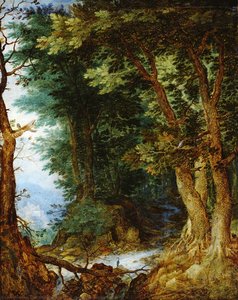
Forest Landscape

Gillis Van Coninxloo’s ‘Forest Landscape’ (1598) is a stunning oil on panel depicting a dark woodland scene. Explore its intricate details, chiaroscuro & Flemish Golden Age style.

Odkrijte pejzaže Gillisa van Coninxlooa, flamovskega mojstra (1544–1607). Poznan po gostih gozdnih scenah in vplivnem delu pri razvoju severne pejzažne umetnosti.

Kupite digitalno sliko visoke ločljivosti z izboljšano kakovostjo, ki je precej boljša od spletnega predogleda.

Vsaka datoteka je pod natančnim nadzorom naših strokovnjakov, ki uporabljajo napredna orodja in strokovno ročno obdelavo. Zagotovimo, da ima vsaka slika izjemno jasnost, natančnost barv in fine podrobnosti.

Končna datoteka je po e-pošti dostavljena v 72 urah, optimizirana za takojšnjo uporabo v profesionalnem, uredniškem in tiskarskem okolju. To je kakovost, ki ji zaupajo vrhunska oblikovalna studia, založniki in galerije.

Digitalna slika

Prenesite datoteko visoke ločljivosti za osebno uporabo, tiskanje in kreativne projekte.

Skupna cena

$9.99

Vključeno v vsako naročilo digitalne slike

Zagotovljena strokovna digitalna dostava

Ko izberete WahooArt.com, ne prejmete le slike – prejmete digitalno umetniško delo, ki je profesionalno urejeno, izdelano z natančnostostjo in zavestno zagotovljeno z garancijo za zadovoljstvo. Tukaj je vse, kar samodejno prejmete z vašim naročilom:

shipping_icon
Hitra dostava prek e-pošte

Vaša digitalna slika visoke ločljivosti bo na vaš e-naslov poslana v roku 72 ur od zaklopa naročila – pripravljena za takojšnjo uporabo.

canvas_icon
Digitalna datoteka z umetno inteligenco

Vaše umetniško delo je strokovno optimizirano z uporabo naprednih orodij umetne inteligence in ročne obdelave, kar zagotavlja največjo stopnjo podrobnosti, jasnosti in barvne natančnosti.

insurance_icon
Brezplačna ponovna dostava za vse življenje

Ste zaradi nespremietne napake izgubili ali izbrisali svojo datoteko? Ni težav – vam jo bomo ponovno poslali kadar koli in brezplačno.

tax_icon
Brez uvoznih pristojbin – vedno

Uživajte v svojem umetniškem delu takoj, brez carin, davkov ali stroškov dostave – digitalni prenosi so vedno brezdavčni.

color_icon
Zagotovilo natančnosti barv

Z uporabo profesionalnih orodij in upravljanja barv zagotavljamo, da vaša digitalna slika čim bolj natančno odraža prvotne barve.

return_icon
60-dnevna garancija zadovoljstva

Če niste zadovoljni s svojo digitalno sliko, jo bomo uredili ali vam v 60 dneh povrnili 100% denarja – brez kakršnih koli vprašanj.

guarantee_icon
100% Garancija povračila denarja

Niste zadovoljni? Zagovрите popoln povračilo sredstev v 60 dneh po prejemu digitalne datoteke – brez kakršnih koli vprašanj.

discount_icon
Popusti pri večjem številu naročil

Kupite 3 slike, prihranite 10% - Kupite 5 slik, prihranite 15% - Kupite 10+ slik, prihranite 20%. Odlično za kreativne projekte, galerije in agencije.

Opis digitalnega artefakta

The Forest Landscape painting by Gillis Van Coninxloo is a remarkable artwork that showcases the artist's skill and attention to detail. Created in 1598, this oil on panel painting measures 42 x 61 cm and is housed at the Liechtenstein Museum in Vienna, Austria.

Composition and Color Palette

The painting features a winding path that invites viewers into the heart of the forest, surrounded by dense trees with trunks and branches intertwining to form a canopy overhead. The leaves are painted in various hues of green, adding a touch of life to the otherwise somber palette. In the background, a small village can be glimpsed, creating a sense of depth and distance. Key Features of the painting include:
  • The use of oil on panel, which lends the artwork a rich texture and depth
  • The attention to detail, from individual leaves on the trees to distant houses in the village
  • The harmonious balance between light and shadow, nature and civilization

Artist and Style

Gillis Van Coninxloo was a Flemish painter known for his landscapes and forest scenes. His style is characterized by the use of dark colors and intricate details, creating a sense of depth and atmosphere in his paintings. The Forest Landscape painting is a prime example of his skill and craftsmanship. For more information on Gillis Van Coninxloo and his artworks, visit /art/list/?Filter=8Y34YR-Gillis-Van-Coninxloo-Forest-Landscape. To learn more about the Liechtenstein Museum and its collections, check out https://WahooArt.com/ADC/Art.nsf/O/8Y34YR/$File/Gillis-Van-Coninxloo-Forest-Landscape-2-.JPG.
The Forest Landscape painting is a beautiful representation of a forest landscape from the late 16th century, and its intricate details and harmonious color palette make it a captivating artwork that continues to inspire art lovers today.

Biografija umetnika

Scipione Pulzone: A Counter-Maniera Master of Roman Portraiture

Scipione Pulzone, a name perhaps less familiar than those of his contemporaries, stands as a significant figure within the late Italian Renaissance and the burgeoning Mannerist movement. Born in Gaeta around 1544 and tragically dying in Rome in 1598, Pulzone’s career was marked by a remarkable versatility – he excelled not only in grand religious commissions but also in capturing the nuanced personalities of Roman nobility through portraiture. His work, often characterized by a subtle tension between elegance and unsettling detail, offers a fascinating glimpse into the artistic landscape of a Rome grappling with religious reform and shifting aesthetic ideals.

Pulzone’s early training is believed to have been under Jacopino del Conte in Rome, a connection that undoubtedly shaped his initial stylistic development. However, Pulzone quickly forged his own distinctive path, diverging from the more rigid conventions of Mannerism while retaining its core elements – elongated figures, complex compositions, and an emphasis on emotional intensity. Unlike many of his contemporaries who embraced overtly theatrical gestures, Pulzone’s portraits often convey a quiet dignity, revealing subtle shifts in expression that hint at hidden thoughts and emotions. This restraint, combined with his masterful handling of light and shadow, created a sense of psychological depth rarely found in portraiture of the period.

  • Key Works: Pulzone’s oeuvre is remarkably diverse, encompassing altarpieces, frescoes, and above all, portraits. Notable works include his depiction of Pope Gregory XIII, a strikingly realistic portrayal that captures the pontiff's authority and gravitas; a *Pietà* for Gesù church in Rome; a dramatic *Assumption with the Apostles* for San Silvestro al Quirinale; and a poignant *Crucifixion* for Santa Maria in Vallicella. His masterpiece, Mater Divinae Providentiae (circa 1580), ignited a fervent devotion to Our Lady of Providence within Rome’s Catholic circles, influencing artistic and religious practices for years to come.
  • Influence: Pulzone's work demonstrates a clear debt to Girolamo Siciolante da Sermoneta, whose dramatic use of color and unsettling imagery resonated deeply with the artist. However, Pulzone skillfully integrated these influences into his own unique style, creating a synthesis that is both powerful and profoundly human.
  • Patronage: He served several prominent patrons throughout his career, including the Medici family in Florence and the courts of Naples and Tuscany. His ability to adapt to diverse artistic tastes and cultural contexts speaks volumes about his skill as an artist and diplomat.

The Counter-Maniera and Pulzone’s Distinctive Style

Pulzone's work is often categorized within the broader category of “Counter-Maniera,” a term coined to describe artists who reacted against the extreme stylization of late Mannerism. While he shared some stylistic affinities with Mannerist painters – elongated figures, complex spatial arrangements, and an emphasis on emotional expression – Pulzone injected a greater sense of naturalism and psychological realism into his work. Unlike the often-artificial poses and exaggerated gestures of many Mannerists, Pulzone’s subjects appear remarkably lifelike, their faces imbued with genuine emotion.

His compositions are frequently characterized by a dynamic tension between stability and instability, creating a visual experience that is both captivating and unsettling. He employed a sophisticated use of perspective and foreshortening to create a sense of depth and spatial ambiguity, drawing the viewer into the scene and inviting them to contemplate its mysteries. Pulzone’s masterful manipulation of light and shadow further enhances this effect, casting dramatic highlights on key figures while obscuring others in darkness, thereby directing the viewer's attention and intensifying the emotional impact of the work.

Furthermore, Pulzone’s portraits are distinguished by their remarkable attention to detail. He meticulously rendered the textures of fabrics, the nuances of facial expressions, and the subtle gestures that reveal a subject’s personality. This commitment to realism was particularly evident in his depictions of Roman nobility, where he captured not only their physical appearance but also their social status and inner lives.

A Roman Artist at the Crossroads

Pulzone's career unfolded during a period of profound religious and political upheaval in Italy. The Counter-Reformation was reshaping the Catholic Church’s relationship with society, and artists were increasingly called upon to serve as propagandists for the faith. Pulzone’s work reflects this changing landscape, blending traditional religious themes with contemporary concerns about social order and moral authority.

His portraits of prominent Roman figures – including Pope Gregory XIII, Cardinal de' Medici, and members of the Medici family – served not only to celebrate their achievements but also to reinforce their legitimacy as rulers. His depictions of religious scenes, such as the *Assumption with the Apostles* and the *Crucifixion*, conveyed a sense of urgency and conviction that resonated with the Catholic faithful.

Despite his success, Pulzone’s career was tragically cut short by illness in 1598. His untimely death left behind a legacy of remarkable artistic achievement, solidifying his place as one of the most important painters of the late Italian Renaissance and a key figure in the development of Counter-Maniera.

Legacy and Historical Significance

Scipione Pulzone’s influence extends beyond his individual works. He played a crucial role in shaping the artistic landscape of Rome during the 16th century, introducing new stylistic approaches and challenging established conventions. His work served as an inspiration for subsequent generations of artists, including those who followed in the Counter-Maniera tradition.

Today, Pulzone’s paintings are housed in major museums around the world, offering viewers a rare opportunity to experience the beauty and power of his art. His portraits continue to captivate audiences with their psychological depth and emotional resonance, reminding us of the enduring legacy of this remarkable artist. His work stands as a testament to the dynamism and complexity of the Italian Renaissance, reflecting both its artistic achievements and its turbulent historical context.

Gillis Van Coninxloo

Gillis Van Coninxloo

1544 - 1606 , Belgija

Ključne informacije

  • Datum Rojstva: 1544
  • Datum Smrti: 1598
  • Državljanstvo: Napolitanec
  • Ime In Priimek: Scipione Pulzone
  • Kraj Rojstva: Gaeta, Italija
  • Umetniki Ali Gibanja, Ki So Bila Vplivana Na Tega Umetnika: ['Girolamo Siciolante']
  • Umetniki, Ki So Vplivali Na Tega Umetnika: ['Jacopino del Conte']
  • Umetniško Gibanje Ali Slog: manierizem
  • Znata Umetniška Dela:
    • Vnebovzetje z apostoli
    • Pieta
    • Krst
    • Mater Divinae Providentiae