Acrylic On CanvasWallArtImpressionism
 23.0 x 32.0 cm
Ročno slikano olje na platnu v vaši izbiri velikosti in okvirja, izdelano po naročilu naših umetnikov. ( Kupi tisk Kupi digitalno sliko)





























Izberite eno od naših vnaprej določenih velikosti, ki ustrezajo prvotnim proporcijam umetničkega dela.

Svoje dimenzije lahko vnesete tako, da se prilagodite določenemu okvirju ali prostoru. Če izbrana velikost ne ustreza razmerjem originalne slike, bomo umetniško delo obrezali ali sliko dopolnili z dodatnimi ročno naslikanimi elementi. Pred začetkom proizvodnje vam bo poslan digitalni osnutek v odobritev.
Upoštevajte, da predogled na zaslonu ne odraža dejanskega obrezovanja ali podaljšanja. Le osnutek bo natančno prikazal končno kompozicijo.
Čeprav so na voljo velikosti po meri, priporočamo izbiro dimenzije s preddefiniranega seznama, da ohranimo originalne razmere.
Svetska dostava () za 3/4 nedelje umesto uobičajenih 5 nedelja. (6 september). Bez kompromisa po pitanju kvaliteta.


Stone crusher
Velikost reprodukcije
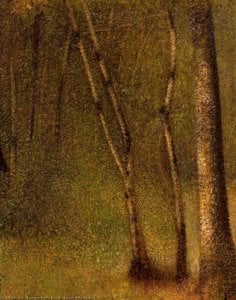
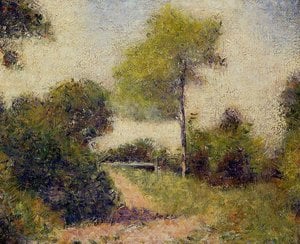
Georges Pierre Seurat (1859-1891) stands as a monumental figure in the artistic landscape of late 19th century France, irrevocably altering the trajectory of painting with his groundbreaking innovation – Pointillism. More than just a technique, it represented a radical reimagining of how artists perceived and reproduced light and color, firmly establishing him as a prophet of modern art.
“Stone Crusher,” painted around 1883-84 during Seurat’s formative years, exemplifies this revolutionary approach. Executed on paper with crayon—a medium chosen for its ability to capture tonal nuances—the artwork depicts a solitary laborer engaged in the arduous task of breaking down stone. This seemingly simple scene transcends mere representation; it embodies Seurat's meticulous observation of the natural world and his unwavering commitment to scientific principles.
Painted during a period marked by rapid industrialization in France, “Stone Crusher” speaks to the realities of rural life and the demands placed upon agricultural workers. The somber color palette—dominated by grayscale tones—reflects not only the physical exertion involved but also evokes feelings of fatigue and hardship. However, beyond its depiction of labor, the artwork serves as a study in human form and movement, capturing the essence of physicality with remarkable accuracy.
The artist’s deliberate choice to forgo vibrant color is significant. It aligns with Seurat's broader philosophical stance—a belief that art should strive for objectivity and capture the fundamental truths of perception. By rejecting Impressionistic subjectivity, Seurat elevates “Stone Crusher” to a testament to scientific rigor and artistic innovation.
"Stone Crusher" isn't merely an image; it’s a distillation of experience—a poignant portrayal of human effort against the backdrop of the natural world. Seurat’s unwavering focus on tonal gradation and texture imbues the artwork with a palpable sense of atmosphere, inviting viewers to contemplate the dignity inherent in manual labor and the beauty found within simplicity.


1859 - 1891 , Francija

Explore the scientific brilliance of Seurat and Signac. Discover how Pointillism revolutionized color through optical mixing and light, offering a profound look into the Neo-Impressionist movement for true art connoisseurs and collectors.

Explore the vibrant evolution of Post-Impressionism. From Seurat's revolutionary Pointillism to the emotional depth of masters, discover how this movement redefined modern art history through color, structure, and unparalleled creative expression.
Discover the mesmerizing world of Pointillism. Explore the revolutionary techniques of Georges Seurat, the science of optical color mixing, and the enduring legacy of Neo-Impressionism in this expert guide for classical art enthusiasts.

 Predogled
 Pošlji
 Deli
Deli
 Podrobnosti o delu

 Prenesi
 Podobni izdelki
 Rentgenski posnetek
 Predvajaj diaporama
 Razviljaj več







 Možnost stekla je na voljo le za velikosti pod 110 cm