Ročno slikano olje na platnu v vaši izbiri velikosti in okvirja, izdelano po naročilu naših umetnikov. ( Kupi tisk Kupi digitalno sliko)





























Izberite eno od naših vnaprej določenih velikosti, ki ustrezajo prvotnim proporcijam umetničkega dela.

Svoje dimenzije lahko vnesete tako, da se prilagodite določenemu okvirju ali prostoru. Če izbrana velikost ne ustreza razmerjem originalne slike, bomo umetniško delo obrezali ali sliko dopolnili z dodatnimi ročno naslikanimi elementi. Pred začetkom proizvodnje vam bo poslan digitalni osnutek v odobritev.
Upoštevajte, da predogled na zaslonu ne odraža dejanskega obrezovanja ali podaljšanja. Le osnutek bo natančno prikazal končno kompozicijo.
Čeprav so na voljo velikosti po meri, priporočamo izbiro dimenzije s preddefiniranega seznama, da ohranimo originalne razmere.
Svetska dostava () za 3/4 nedelje umesto uobičajenih 5 nedelja. (6 september). Bez kompromisa po pitanju kvaliteta.


A Study for
Velikost reprodukcije
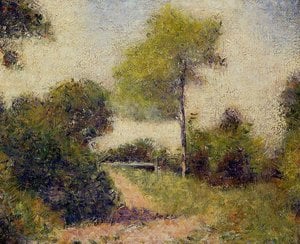
This small oil sketch, deceptively modest in its scale, offers an extraordinary glimpse into the mind of Georges Seurat – a master whose revolutionary approach to painting forever altered the course of modern art. Measuring a size that could comfortably reside within the lid of a sketchbook, it’s not merely a preparatory study; rather, it's a fully realized miniature world brimming with observation and meticulously applied color. The scene unfolds on a sun-drenched beach, populated by figures engaged in quiet leisure – a man seated pensively near the water’s edge, others relaxing on the sandy shore, and two horses adding to the idyllic tableau. The presence of a boat hints at journeys and connections, subtly grounding this otherwise ethereal vision.
Created in 1883, during a pivotal period in Seurat’s artistic development, this work exemplifies the nascent stages of his groundbreaking technique – Pointillism. Far from being a random scattering of dots, each tiny brushstroke represents a single, pure color. Seurat meticulously built up layers of these individual points, allowing the viewer's eye to optically blend them and create the illusion of tone, depth, and luminosity. This wasn’t simply an aesthetic choice; it was rooted in scientific theory – specifically, Charles Darwin’s work on optics and the perception of color. Seurat believed that by stimulating the eye’s natural ability to mix colors, he could achieve a more vibrant and truthful representation of light than traditional methods allowed. The deliberate fragmentation of form speaks volumes about his intellectual curiosity and his desire to dissect and understand the very nature of visual experience.
Beyond its technical brilliance, the sketch is rich with subtle symbolism. The beach itself represents a sanctuary – a space removed from the bustle of Parisian life, dedicated to contemplation and simple pleasures. The figures, though largely anonymous, evoke a sense of quiet observation and peaceful interaction. The seated man, in particular, suggests introspection; he’s not actively participating but rather absorbing the atmosphere. The horses, often associated with movement and freedom, introduce an element of untamed beauty into this carefully constructed scene. The bright, almost aggressively cheerful sunlight is crucial – it's a key component of Seurat’s “Divisionism,” emphasizing the effects of light and color above all else. It suggests a fleeting moment, captured before time inevitably alters its perfection.
Despite its diminutive size, this sketch possesses a remarkable emotional resonance. It’s not a dramatic or overtly expressive work; instead, it offers a quiet intimacy – a feeling of being privy to a private moment. The meticulous detail invites the viewer to linger, to examine each tiny point and contemplate the artist's process. Seurat’s influence extends far beyond his relatively short career. He paved the way for Fauvism and other modern movements that prioritized color and subjective experience. This small study serves as a potent reminder of his genius – a testament to his ability to distill complex ideas into deceptively simple forms, and to capture the essence of light and atmosphere with unparalleled precision. A reproduction of this piece offers a beautiful opportunity to bring a touch of Seurat’s revolutionary vision into any space, inviting contemplation and celebrating the enduring power of observation.


1859 - 1891 , Francija

Explore the vibrant evolution of Post-Impressionism. From Seurat's revolutionary Pointillism to the emotional depth of masters, discover how this movement redefined modern art history through color, structure, and unparalleled creative expression.

Explore the scientific brilliance of Seurat and Signac. Discover how Pointillism revolutionized color through optical mixing and light, offering a profound look into the Neo-Impressionist movement for true art connoisseurs and collectors.

Explore the profound beauty of the sketch. Discover how masters use charcoal and graphite to capture raw emotion, anatomical precision, and fluid movement, bridging the gap between ephemeral marks and eternal oil masterpieces.

 Predogled
 Pošlji
 Deli
Deli
 Podrobnosti o delu

 Prenesi
 Podobni izdelki
 Rentgenski posnetek
 Predvajaj diaporama


 Razviljaj več







 Možnost stekla je na voljo le za velikosti pod 110 cm