**življenje, polno umetniškega raziskovanja**
gabriël metsu, nizozemski slikar, je živlel življenje, ki ga je zaznamovalo neustavljivo umetniško raziskovanje in inovativnost. Rodjen leta 1629, je Metsujevo delo utripalo z duhom nizozemske zlate dobe, obdobja, ki je znano po svoji izjemni umetniški zastavnosti. Ta biografija se poglobi v življenje in dela te enigmatične osebe, katere prispevek k umetniškemu svetu še vedno navdušuje obiskovalce muzejev po vsem svetu.
**zgodnje leto in vplivi**
Metsu je prišel na svet leta 1629 kot sin jacquesa metsuja, tapiserista in slikarja, ki je prvotno izrazil svoje korenine v hainaultu. Ta eklektična družinska ozadnina je verjetno vplivala na Gabrielovo zgodnje zanimanje za raznolike umetniške tehnike. Preselitev družine v leiden, kjer je metsu odrastel, mu je omogočila izpostavljenost različnim kulturnim vplivom, ki so oblikovali njegovo umetniško oko.
**umetniška pot**
Metsujeva kariera ni bila vezana na en sam slog ali tehniko, zaradi česar je zaslužil vtis "izjemno eklektičnega umetnika". Njegovo delo obsega zgodovinske slike, življenjske slike, portrete in žanrska dela. Zanimivo je, da je le 14 njegovih 133 del datiranih, kar pomeni, da je še veliko skrivnosti v njegovem ustvarjalnem procesu še vedno čakalo na odkrito.
- V Metsujevem zgodnjem delu je jasno čutiti vpliv umetnika rembrandta van rijna, še posebej pri njegovi uporabi svetlobe in barv.
- Metsujevo selitev v amsterdam leta 1655 je prinesla pomembno spremembo sloga, s poudarkom na domačih notranjih prostorih in žanrskih prizorih.
- Njegovo izobraževanje pod vodstvom michiela van musscherja in joosta van geela odraža njegovo globoko povezavo z umetniško skupnosto.
**izpostavljena dela in dediščina**
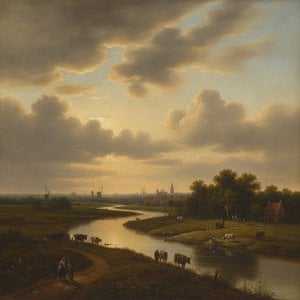
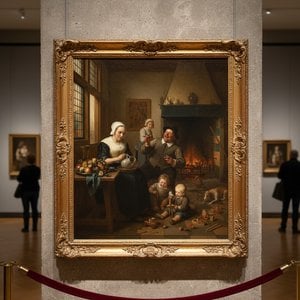
Metsujeve slike pogosto prikazujejo mlade ženske, tržne prizore in stare ljudi, pri čemer črpa iz takratnih priljubljenih simbolov. Odlično primer je
prodajalca ptic, ki s svojo globino prikazuje njegovo mojstvo uporabe simbolike.
Ključna dela: **muzeji in zbirke**
Metsujeva dela lahko najdemo v različnih prestižnih muzejih, vključno z rijksmuseumom v amsterdamu. Za več informacij o njegovi umetnosti in raziskovanje drugih slikarjev nizozemske zlate dobe obiščite /sl/art/show/art-d3c627-sl/ za celovit pregled.
Zaključek: življenje in umetnost gabriela metsuja sta spomenik inovativnemu duhu nizozemske zlate dobe. Njegov eklektični slog, čeprav včasih enigmatičen, je pustil neizbrisno sled v svetovni umetnosti. Ko še naprej odkrivamo nove plasti njegovega življenja in dela, se spominjamo na globok vpliv, ki ga je imel na razvoj zahodne umetnosti.
- Za globlje razumevanje nizozemske zlate dobe si preberite [https://en.wikipedia.org/wiki/dutch_golden_age_painting](https://en.wikipedia.org/wiki/dutch_golden_age_painting).
- Raziskujte več Metsujevih del in del njegovih sodobnikov na [https://WahooArt.com/@/gabriel-metsu](https://WahooArt.com/@/gabriel-metsu).
**reference:**



 Preverite v realnem okolju
 Preklop na tiskanine
 Pošlji kot čestitko
 Deli
Deli
 Podrobnosti
 Priročnik

 Prenesi
 Podobni artefakti
 Rentgenski posnetek
 Predvajaj diaporama
 Statistika

 Preberi več






































 Možnost stekla je na voljo le za velikosti pod 110 cm