Biografija umetnika
Frida Kahlo: Življenje, izoblikovano z bolečino in strastjo
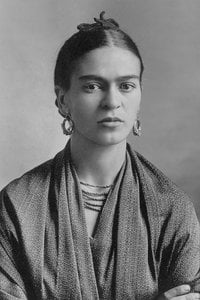
Magdalena Carmen Frida Kahlo y Calderón, znana po vsem svetu preprosto kot Frida Kahlo, je bila več kot le slikarka; bila je sila narave, uporniški duh, katerega življenje se je neizbrisno spletalo s njeno umetnostjo. Rojen 6. julija 1907 v Coyoacánu, Ciudad de México, je bilo njeno obstojanje zaznamovano s fizičnimi trpljenji in čustvenimi preobremenitvami, izkušnjami, ki so nazadnje spodbudile intenzivno osebne in simbolične podobe, zaradi katerih je proslavljena. Njen oče, Guillermo Kahlo, nemško-mehiški fotograf, je od zgodnjega otroštva gojil njeno intelektualno radovednost in umetniške nagnosti. Fridina mladost pa je bila zaznamovana tudi z boleznijo; pri šestih letih je zbolel za poliomielitisom, zaradi katerega ji je ostal trajen okor in vplival na njen fizični razvoj. Ta zgodnja izkušnja s krhkostjo in omejitvami bi postala ponavljajoča se tema v njenem delu, ki je oblikovala njeno perspektivo o telesu, bolečini in odpornosti. Že pred uničujočo nesrečo, ki je zaznamovala veliko umetniške poti, je Frida imela dobro zavest o svoji fizičnosti in njeni lastni krhkosti.
Razbitost telesa, cvetenje umetnosti
Leta 1925 se je Fridina življenjska pot nepovratno spremenila, ko je pri osmih letih doživela strašno prometno nesrečo, ki ji je povzročila katastrofalne poškodbe – zlomljene kolčne kosti, medenice in noge. Zaprta v dolgo obdobje okrevanja, pogosto imobilizirana in obdana s mavci, se je obrnila vase, našla tolažbo in izraz skozi slikanje. Njena mati ji je zagotovila platno, prilagojeno za uporabo med ležanjem, kar je omejitve njene fizične invalidnosti spremenilo v prostor umetniškega raziskovanja. V tem času je Frida začela raziskovati avtoportrete z neusmiljeno intenzivnostjo. Ker ni mogla oditi v svet, je usmerila svoj pogled vase in natančno dokumentirala svojo podobo kot sredstvo za razumevanje in soočanje s svojo bolečino, tako fizično kot čustveno. Ta zgodnja dela niso bila le reprezentacije njene podobe; bili so visceralne raziskave identitete, ranljivosti in trajne moči človeškega duha. Nesreča ni bila le tragedija; bila je katalizator, ki je sprožil njen umetniški potencial, prisilil jo je, da se sooči s svojo smrtnostjo in najde smisel v trpljenju.
Burna zveza in umetniško razcvetenje
Fridino življenje je leta 1929 doseglo še eno ključno točko, ko se je poročila z znanim mehiškim muralistom Diegom Rivero. Njihova razmerja sta bila strastna, a burna, zaznamovana z intenzivnim ljubeznijo, nevernostjo, umetniškim rivalstvom in obdobji ločitve in sprave. Kljub čustvenim preobremenitvam se je Rivera izkazal za pomemben vpliv na Fridino umetniško razvoje. Spodbujal jo je k edinstveni viziji, ponudil konstruktivne kritike hkrati pa priznal surov moč in izvirnost njenega dela. Pod njegovim vodstvom in skozi njeno lastno neusmiljeno eksperimentiranje se je Fridin slog začel oblikovati, združevati elemente mehiške ljudske umetnosti, realizma in nadrealizma v značilen vizualni jezik. Njena slika je postajala vse bolj simbolična, raziskovala teme identitete, človeškega telesa, bolečine, smrti in kompleksnosti ženske izkušnje. Ni se izogibala prikazovanju svoje lastne bolečine; nasprotno pa jo je sprejela kot osrednjo temo v svojem delu, pretvorila osebno travmo v univerzalna sporočila o človeškem stanju.
Simboli trpljenja, odpornosti in identitete
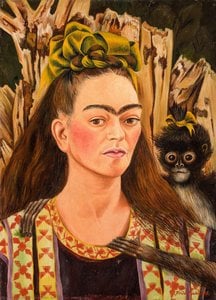
Frida Kahlo je morda najbolj znana po svojih avtoportretih, ki so značilni zaradi svoje neusmiljene iskrenosti in simbolične globine. Dela, kot je Dve Fridi (1939), močan prikaz njene dvojne identitete po ločitvi od Rivere, kažejo njeno sposobnost, da z izraznimi vizualnimi metaforami zunanjega izrazi notranje konflikte. Avtoportret z vencem trnov in kolibrijem (1940) je prežeta s simboliko – trni predstavljajo bolečino, kolibrij upanje in odpornost, črna mačka pa napovednik slabih znakov. Zlomljeni steber (1944), strahovita prikaza njene fizične bolečine, prikazuje Frido z razrezanim trupom, ki razkriva propadajočo jonski stebrišče namesto hrbtenice, ki jo držijo trakovi in prebadajo žeblji. Že Henry Ford Hospital (1932), surova in globoko osebna prireditev njene splava, kaže njeno voljo, da se sooči s tabu temami z neusmiljeno iskrenostjo. Ta dela niso le reprezentacije bolečine; so dejanja upora, trditve identitete v soočenju z nasprotovanja.
Trajna zapuščina
Fridina Kahlova vpliv sega daleč onkraj sveta umetnosti. Bila je kulturni ikon, ki je izzvala tradicionalne spolne vloge in družbene norme s svojim življenjem in delom. Njen sprejem mehiške kulture in identitete je pomagal dvigniti njen profil na mednarodni sceni, njena neusmiljena prireditev bolečine pa se je odzvala pri občinstvu po vsem svetu, zaradi česar je postala simbol odpornosti in moči. Postala je pomembna figura za Chicanos v Združenih državah, ki predstavlja njihovo kulturno dediščino in borbe. Čeprav ni želela biti uvrščena med nadrealiste, njeno delo deli podobnosti s raziskovanjem podzavesti in sanjskimi gibi tega gibanja. Danes je Frida Kahlo proslavljena kot ena najpomembnejših umetnic 20. stoletja, njena zapuščina pa še naprej navdihuje generacije, da sprejmejo svoje identitete, se soočijo z nasprotovanja in se izražajo avtentično. Njena dela ostajajo priča trajni moči človeškega duha, da najde lepoto in smisel celo v najtemnejših časih.



 Predogled
 Preklop na tiskanine
 Pošlji
 Deli
Deli
 Podrobnosti o delu

 Prenesi
 Podobni izdelki
 Rentgenski posnetek
 Predvajaj diaporama
 Statistika


 Razviljaj več