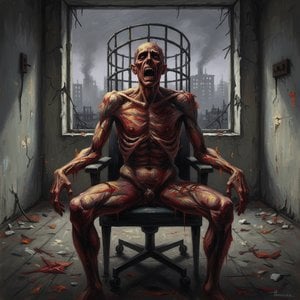
Življenjepis Francis Bacon: Izrazi bolečine in eksistencialne anksioznosti
Francis Bacon, eden najpomembnejših slikarjev 20. stoletja, je bil rojen leta 1909 v Dublinu, a njegovo umetniško potovanje se je razvijalo predvsem v Angliji. Že zgodnje otroštvo, zaznamovano s selitvami zaradi materine bolezni in kompleksnim odnosom z očetom ter varuško Jessie Lightfoot, je oblikovalo njegov občutek odtujenosti in ga usmerilo k raziskovanju temnih strani človeške narave. Preden se je posvetil slikanju v poznih dvajsetih letih, je Bacon preizkušal različne poklice, med drugim tudi dirkanje s konji in hazardiranje, kar je morda prispevalo k njegovi izjemni intenzivnosti in naglosti pri ustvarjanju. Njegova umetniška pot ni bila formalno usmerjena; samouk, ki je črpal navdih iz različnih virov, je razvil edinstven vizualni jezik, poln grozljivih pod slikami in eksistencialne anksioznosti.
Vplivi in začetki umetniškega izraza
Baconovo ustvarjanje ni nastalo čez noč, temveč se je postopoma oblikovalo skozi različne vplive. Picasso, zlasti njegove zgodnje kubistične figure, mu je odprl vrata k svobodi pred tradicionalnim prikazovanjem. Egon Schiele in njegova izrazita deformacija človeške oblike so resonirali z Baconovo rastočo fascinacijo za krhkost in ranljivost bivanja. Ključni trenutek v njegovem umetniškem razvoju je bila izkušnja s filmom *Boj na ladji Potemkin* Sergeja Eisensteina, kjer ga je pretresla bližina človeške stiske, predvsem prizor jokačevega obraza. Ta slika se je ponavljala v njegovem delu kot simbol prvotnega terorja in globin človeških trpljenj. Ne smemo pozabiti tudi na vpliv stare mojstre, zlasti Diega Velazqueza, katerega *Portret papeža Inocenta X* je Bacon večkrat reinterpretiral, spreminjajoč avtoritativno podobo papeža v prizadejo za eksistencialni strah. Ti vplivi niso bili le posnemovanja stilov; temveč so bili preoblikovani skozi Baconovo osebno občutljivost in ustvarili umetniško vizijo, ki je bila hkrati globoko intimna in univerzalno relevantna.
Razvijanje značilnega sloga: Deformacija in izoliranost
Baconov preboj je prišel leta 1944 z delom *Tri študije za figure na dnu križanja*, ki je šokiral in očaral občinstvo v povojni London. Ta triptih je predstavil njegov značilen slog – deformirane, razdrobljene figure, izolirane v klaustrofobičnih prostorih. Niso bile to prikaze verske mučeništva, temveč visceralne raziskave človeške stiske, brez vsakršne pomirjajoče zgodbe ali duhovne utehe. Njegove slike pogosto prikazujejo zamegljene ali raztopljene oblike, ki izražajo psihološko turbulenco in fizično ranljivost. Pogosto je uporabljal geometrijske strukture – kletke, škatle – da zapre svoje subjekte, poudarja pa njihovo izolacijo in nemoč. Baconova paleta je bila običajno umirjena in temna, odsev temačnih tem, ki jih je raziskoval, a poplana z izbruhi intenzivne barve, ki so okrepile čustveni vpliv. Uporaba teh kletk ni bila le kompozicijski pripomoček; simbolizirala je inherentne omejitve in omejitve, ki jih nalaga človeško obstojanje. Želel je ujeti ne samo *kaj* stvari izgledajo, temveč tudi *kakšne so*, pretvoriti notranje stanja tesnobe, strahu in obupa na platno z brutalno iskrenostjo.
Tematski krog: Smrtnost, bolečina in človeška usoda
V svoji plodni karieri se je Bacon večkrat vračal k določenim motivom: križanje kot simbol trpljenja; portreti, ki so raziskovali psihološko intenzivnost njegovih subjektov, pogosto prijateljev in ljubljencev, kot je George Dyer; ter avtoportreti, ki so služili kot introspektivne raziskave identitete in smrtnosti. Njegova *Študija po Velazquezu: Portret papeža Inocenta X* (1953) je morda eno njegovih najbolj ikoničnih dosežkov, kjer je pretvoril Velazquezov dostojanstven portret v jokačo podobo, ki uteleša eksistencialni strah. Portreti Georgea Dyera, njegovega nestabilnega ljubimca, so posebej ganljivi, saj zajamejo tako intenzivnost njihove povezanosti kot tudi sence tragedije. Baconovo delo ni šlo za prikazovanje specifičnih posameznikov; temveč je šlo za raziskovanje univerzalnih tem človeške ranljivosti, izolacije in neizogibnosti smrti. Ni se izmikal temnejšim vidikom obstoja, temveč se jih je odločno soočil, prisiljeval gledalce, da se soočijo s svojo lastno smrtnostjo in anksioznostjo.
Trajna zapuščina: Izpodbijanje konvencij
Vpliv Francis Bacon na umetnost 20. stoletja je neizogiben. Je izpodbijal tradicionalne pojme reprezentacije, zavrnil idealizirano lepoto v korist surovega in neusmiljenega prikaza človeške narave. Njegovo delo je globoko vplivalo na generacije umetnikov, odpiralo nove oblike izraza in izzvalo konvencionalne umetniške meje.
- Povojna ekspresionizem: Bacon velja za ključno figuro tega gibanja, ki je s svojim krepkim stilom in psihološko globino vplival na umetnike.
- Rekordi dražb in muzejske razstave: Njegova dela še vedno dosegajo visoke cene na dražbah in so razstavljena v glavnih muzejih po vsem svetu, kar utrjuje njegovo mesto v zgodovini umetnosti.
- Konfrontacija s resnicami: Baconova zapuščina leži v njegovi sposobnosti, soočiti se z neprijetnimi resnicami o človeškem obstoju in te izkušnje pretvoriti v močne in nepozabne slike.
Kljub turbulentnemu osebnemu življenju, zaznamovanemu s hazardiranjem, pitjem in zapletenimi odnosi, je ostal predan svoji umetnosti do smrti leta 1992. Za seboj je pustil delo, ki še danes resonira z občinstvom, opominja pa nas na krhkost obstoja in trajno moč umetnosti, da sproži, pretresa in nazadnje osvetli kompleksnost človeškega bivanja.
Njegove slike niso le slike; so visceralne izkušnje – priča trajnemu učinku umetnosti, ki nas spodbudi, moti in končno razsvetljuje zapletenosti tega, kar pomeni biti človek.



 Predogled
 Kupi ročno naslikano sliko
 Pošlji
 Deli
Deli
 Podrobnosti o delu

 Prenesi
 Podobni izdelki
 Rentgenski posnetek
 Predvajaj diaporama
 Statistika

 Razviljaj več






































 Možnost stekla je na voljo le za velikosti pod 110 cm


![Study For A Portrait [looking Right], — Francis Bacon, Expressionist Painting](/media/artworks/images-thumb/87/b7/87b70ef44d2bec32f057076c0dd56be2.jpg)