


 Acrylic On CanvasWallArtBaroque
 72.0 x 56.0 cm
 Galerija Uffizi
Giclée ali platnati odtis muzejske kakovosti z hitro proizvodnjo in prilagodljivimi možnostmi končne obdelave. ( Kupi ročno naslikano sliko Kupi digitalno sliko)





























Izberite eno od naših vnaprej določenih velikosti, ki ustrezajo prvotnim proporcijam umetničkega dela.

Svoje dimenzije lahko vnesete sami, da bodo ustrezne za določen okvir ali prostor. Če izbrana velikost ne bo skladna z razmerji izvirne slike, bomo umetniško delo orezali ali podaljšali s pomočjo ogledalnega odraza ali barvno polnega roba. Pred začetkom proizvodnje vam bomo poslali digitalni predogled za potrditev.
Upoštevajte, da predogled na zaslonu ne prikazuje dejanskega orezovanja ali podaljševanja. Le digitalni predogled bo natančno prikazal končno kompozicijo.
Čeprav so na voljo prilagojene velikosti, priporočamo izbiro dimenzije s predhodno določenega seznama, da ohranite prvotna razmerja.
Globalna dostava () v 2 tednih namesto standardnih 4/5 tednov. (6 september)


Self-Portrait
Velikost reprodukcije
Francesco Conti (1681 – 1760) stands as a pivotal figure in Florentine Baroque art, embodying the era’s fascination with dramatic realism and masterful chiaroscuro—techniques honed under the tutelage of Giovanni Maria Morandi and Carlo Maratta. His artistic journey began amidst the influential circles of Rome, where he absorbed the stylistic precepts of both masters, establishing a foundation for his distinctive oeuvre.
Conti’s early training instilled in him a profound appreciation for Roman Baroque painting's idealized forms and balanced compositions—a legacy that would permeate his subsequent works. Simultaneously, Maratta’s teachings championed theatrical grandeur and emotional intensity, shaping Conti’s artistic sensibility towards conveying profound psychological depth.
Returning to Florence after Rome, Conti secured invaluable support from the Riccardi family, who regularly commissioned him for monumental altarpieces—a patronage that fueled his unwavering commitment to artistic excellence. His prolific output of religious scenes reflected the spiritual fervor of his time and cemented his reputation as one of Florence’s foremost Baroque artists.
Conti's signature technique revolved around meticulous layering of paint, creating textures that mirrored the grandeur and solemnity of his subjects. He skillfully manipulated light sources to sculpt forms—a hallmark of Maratta’s influence—and imbue canvases with an ethereal glow. This masterful manipulation of light and shadow wasn’t merely stylistic; it served as a conduit for conveying emotion and enhancing the visual impact of his compositions.
Conti dedicated his artistic energies primarily to religious iconography, producing a remarkable output of altarpieces and devotional paintings that resonated deeply with audiences. His depictions of saints—such as Saint Sylvester I, Saint Paul and Saint Catherine of Alexandria—were imbued with symbolic meaning, reflecting the theological concerns of the Baroque period.
Among Conti’s most celebrated achievements is “Madonna & Child with Saints,” commissioned for Sant'Andrea della Venerata church by the Riccardi family. This monumental altarpiece exemplifies Conti’s ability to synthesize artistic virtuosity with profound spiritual contemplation—a testament to the enduring legacy of Florentine Baroque art.
Francesco Conti’s influence extended beyond his own lifetime, shaping the artistic sensibilities of subsequent generations. His masterful command of chiaroscuro and his unwavering devotion to religious themes continue to inspire artists today—solidifying his place as a cornerstone of Florentine Baroque art history.


1681 - 1760 , Italy

Embark on a sophisticated journey through Italian Baroque art. Discover the dramatic interplay of light and emotion in Caravaggio’s masterpieces and explore how to bring this timeless grandeur into your collection with expert art insights.
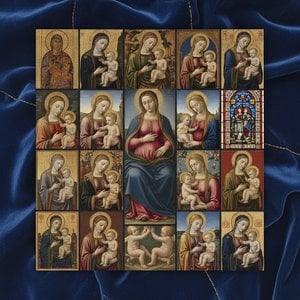
Embark on a sophisticated journey through art history with our curated guide to the most iconic Madonna and Child masterpieces. Discover the profound beauty, theological depth, and enduring legacy of these sacred Renaissance treasures.

 Predogled
 Pošlji
 Deli
Deli
 Podrobnosti o delu

 Prenesi
 Podobni izdelki
 Rentgenski posnetek
 Predvajaj diaporama
 Razviljaj več







 Možnost stekla je na voljo le za velikosti pod 110 cm


