Giclée ali platnati odtis muzejske kakovosti z hitro proizvodnjo in prilagodljivimi možnostmi končne obdelave. ( Kupite ročno slikano delo Preklop na digitalno sliko)





























Izberite eno od naših vnaprej določenih velikosti, ki ustrezajo prvotnim proporcijam umetničkega dela.

Vnesite širino in višino, ki jih potrebujete za svoj okvir ali steno. Tiskanje se lahko le odreže, vendar ga ni mogoče narediti večjega od slike, zato format z drugačno obliko pomeni izgubo dela slike. Pred tiskanjem vam pošljemo digitalni predogled za potrditev. Slika, prikazana na tej strani, ne prikazuje dejanskega izrezka — le predogled to omogoča.
Globalna dostava () v 2 tednih namesto standardnih 4/5 tednov. (11 november)
untitled (5728)
Velikost reprodukcije
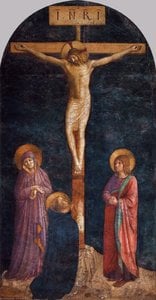
The painting before us, tentatively titled “untitled (5728)” by Fra Angelico, is a deeply moving depiction of the Nativity – a scene rendered with the serene grace and spiritual intensity that define this master of the Early Renaissance. While details regarding its precise origins remain elusive, the artwork’s power lies in its ability to transport the viewer to that pivotal moment of divine arrival, inviting contemplation on faith, hope, and the profound mystery of incarnation. The composition centers around the infant Jesus, cradled within a humble manger, his presence radiating a quiet luminosity amidst a gathering of figures who express reverence through gesture and posture. Kneeling worshippers and standing observers alike converge upon this sacred scene, their faces reflecting awe and devotion. A subtle inclusion – an animal, likely a horse, positioned to the left – adds a touch of earthly realism to the otherwise ethereal atmosphere.
Fra Angelico, born Giovanni da Fiesole around 1395 in Tuscany, was not merely a painter but a Dominican friar. This dual identity profoundly shaped his artistic vision. His work is characterized by a unique blend of devotional piety and burgeoning Renaissance techniques. Initially trained as an illuminator, meticulously decorating manuscripts within the monastery walls, Angelico honed skills in precise detail, vibrant color application, and delicate line work – qualities readily apparent in this Nativity scene. While influenced by contemporaries like Lorenzo Monaco, particularly in the elegance of form, and exposed to the groundbreaking perspective pioneered by Masaccio, Fra Angelico never abandoned his distinctly spiritual aesthetic. He didn’t seek merely to replicate reality; he aimed to reveal a glimpse of the divine through earthly forms.
The Nativity scene itself is rich in symbolic meaning. The manger, representing humility and simplicity, contrasts sharply with the profound significance of its occupant – the Son of God. The gathering figures symbolize the universality of Christ’s message, drawing together humanity from all walks of life to witness this miraculous birth. Fra Angelico's masterful use of light is particularly noteworthy. It isn’t a harsh or dramatic illumination, but rather a soft, ethereal glow that emanates from the infant Jesus, symbolizing his divine nature and illuminating the faces of those who worship him. This careful manipulation of light not only enhances the emotional impact of the scene but also reinforces its spiritual core. The presence of the animal, often interpreted as representing gentleness and the harmony between humanity and nature, further enriches the painting’s symbolic layers.
Though the specific date and original context of “untitled (5728)” remain unknown, its enduring appeal lies in its ability to evoke a sense of profound peace and spiritual contemplation. Fra Angelico's work consistently transcends mere artistic skill; it is an expression of unwavering faith and a testament to the power of art to connect us with something greater than ourselves. A reproduction of this painting would bring not only beauty but also a quiet, reverent atmosphere to any space – a reminder of hope, humility, and the enduring promise of divine grace. It’s a piece that invites introspection, offering a visual sanctuary in an often-turbulent world.
Fra Angelico je za delo "untitled (5728)" uporabil/a tehniko Acrylic On Canvas. Ta tehnika opredeljuje materialno naravo izvirnega dela.
"untitled (5728)" je na voljo kot ročno slikana oljna reprodukcija na lnenem platnu. Naročilo lahko oddate na njegovi strani Ročno slikana reprodukcija, kjer lahko izbirate med različnimi velikostmi.
Zaradi svojih Neutrals barv je delo "untitled (5728)" primerno za Living Room.

Rodjen kot Guido di Pietro v regiji Mugello, je človek, ki bo kasneje znan kot Fra Angelico, svoje življenje začel v toskanskih hribih blizu Firenc. Okoli leta 1395 je bil poznan kot Giovanni da Fiesole. Njegova zgodnja leta je oblikovala tiha in mirna pokrajina te regije. Sčasaj je mladi Giovanni vstopil v dominikanski red v Fiesoleju. Ta izbira ga je preusmerila iz življenja laika v disciplinirano, kontemplativno okolje samostana. Prav v teh stenah je sprejel svoje votke in prejel ime Fra Angelico, naslov, ki je označil njegovo popolno predanost redu.
Še preden se je kdaj približal velikemu stenu, da bi naslikal fresko, je svoj čas preživljal pri mnogo manjši in bolj občutljivi nalogah. Učil se je za iluminatorja rokopisov. To delo je zahtevalo mirno roko in nepopustljivo skrb za najmanjše podrobnosti. Naučil se je nanašanja pigmenta na pergament, pri čemer je tesno sodeloval z besedilom, da bi skozi majhne, natančne ilustracije oživil svete zgodbe. Ta zgodnja navada natančnosti mu je ostala v krvi tudi takoj, ko se je obseg njegovega dela začel širiti.
Njegova zgodnja dela nosijo sledi umetnika Lorenzo Monaco, ki odražajo elegantno linearnost in dekorativne vzorce, takšne, ki so bili značilni za tve dobo. Te zgodnje navade črte razkrivajo roko, ki je bila navajena na natančnost iluminacije rokopisov. Ko se je odzival na večje površine, je začel prepletati te dekorativne tradicije z vedno večjim naturalizmom. Nove pravila perspektive ni uporabljal zgolj zato, da bi prikazal globino ali posmimiral fizični svet. Namesto tega je te prostorske orodje uporabil za ustvarjanje občutka pogrešanosti, s čim je gledalca privlačil v tiho, duhovno prosto. Geometrija sobe ali odhajajoče črte pejsaža sta postala način, da bi se sveto zdelo prisotno in dosegljivo.
Vsaka izbira na platišču je bila povezana z njegovim življenjem dominikanskega fratra. Njegova umetnost ni bila ločen področje od njegovih verskih dolžnosti; bila je podaljšek njegove vere. Način, na katerem je umeščal figure ali izbiral barve, je bil vodil z potrebo, da bi skozi molitveno delo naredil božansko vidljivo. Ta globoka povezava med njegovim monaškim življenjem in črtami črtele je pomenila, da so njegove slike delovale kot vizualne meditacije. Iščil je jasnost, ki odraža mir samostana, ter se je osredotočal na tiho dostojnost svojih motivov namesto na dramatično napetost.
Njegove roke so se naučile natančnosti iluminacije rokopisov že dolgo preden so se srečale z velikostjo stene. Ta zgodnja izobrazba je pustila trajno pečat na njegov način opazovanja sveta in v njemu vzbudila globoko spoštovanje do najmanjih podrobnosti. Razumel je, kako uporabiti pigment za vodenje gledalca skozi zgodovino, s čimer je s premišljeno kompozicijo naredil kompleksne pripovedi berljive. Njegova paleta se opira na jasne, svetle barve—globoko modre, stabilne zlati in ostre rdeče—ki se zdijo, da imajo svoj notranji sij. Teh barv ni uporabljal zgolj za dekoracijo, temveč da bi v prostoru slike ustvaril občutek nebesne jasnosti.
Bil je pionir pri uporabi linearne perspektive, ki se je odmaknila od ploščih, statičnih razvrščitev preteklosti. Z uporabo bolj racionalne obdelave slikovnega prostora je uvedel občutek globine in volumna, zaradi katerega so njegove figure delovale prisotno v prostoru. Za doseganje tega je uporabljal tempero in fresko, pogosto delujoč v svetlobi, ki poudarja obliko človeškega telesa in arhitekturo, ki ga obdaja. V njegovih delih se fizični svet in duhovni okoliš srečujeta skozi skrbno upravljanje svetlobe in senčenja.
Velik del njegovega umetniškega dela je izhajal iz potreb dominikanskega reda. Fra Angelico je preživel ogromno časa pri dekoriranju konventa San Marco v Firenci, kjer je z freskami okrasil oltar, kapitel in vhode v samostorske celice. Ta naročila je podprla zakuplja, Cosimo de' Medici, ki je pomagal financirati prenova konventa. Njegovo del ni bilo le dekorativno; namenjeno je delovalo kot vizualno besedo, ki je s svojo slikovnostjo pridigovala monhom, ki so živeli znotraj teh tihih zidov.
Njegov umetniški dosežek se je razširjal daleč zunaj samostorskih zidov in v dvorane verske moči. V Rimu je prejel naročila pod avtoriteto papov Evgena IV in Nikolaja V. Ti projekti so njegovo umetniško roko postavili v službo papestva, s čimer je razširil svojo prisotnost izven toskanskih hribov. Poleg tega je delal na Strozzi oltarpisu za cerkev Santa Trinita, kar je bila zahtevna naloga, saj je moral dokončati obsežno naročilo, ki ga je prvotno začel drugi umetnik.
Vpliv njegovega dela se je razširil daleč zerih znotraj zidov dominikanskega samostana. Njegov pristop k slikanju je pustil neizbrisočen след na generacije umetnikov, ki so mu sledili v obdobju zgodnje renesanse. Tudi takratni biografi so prepoznali edinstveno kakovost njegovih ustvarjalnih dejanj in izpostavljali, da je njegovo umevanje nekaj, kar besede ne morejo popolnoma zajeti. Skozi svet petnaestega stoletja se je premikalo ne le kot zgolj poklicnik, temveč kot človek, čiji je čopala bilo podaljšanje njegove molitve.
Njegovo življenje je zaznamovalo globoko predanost, ki se je sčasoma preselila s platna na uradno priznanje Cerkve. Leta 1982 je papež Janez Павел II blagoslavil njegovega duha in priznal svetost njegovega življenja. To priznanje se je nadaljevalo leta 1984, ko je isti papež napredoval umetnike v njegove zveznike. Njegova prisotnost je še vedno čutna v tihih prostorih samostanov, kjer je nekoč živel in delal, saj je pustil vizualni jezik vere, ki se ga še vedno študira in občuduje.
Da bi njegovo delo doživeli v prostoru, za kateri je bilo prvotno namenjeno, je treba obiskati Museo Nazionale di San Marco v Firencah. Samostan vsebuje obsežno zbirko njegovih slik in fresk, izmed katerih je bilo veliko ustvarjalo prav na tistih stenah, kjer je on živel in molil. Ko skozi ta prostor prehodite, se srečate z mirno, neomagnočno prisotnostjo njegove roke v samostanskih ločnicah in celicah. To je kraj, kjer sta umetnost in arhitektura še vedno neločljivo povezani.
Drugi pomembni kade so potovali daleč od toskanskih hribov. V Parizu se v muzeju Louvre nahaja več njegovih pomembnih platn, v Londonu pa National Gallery hrani izbiro njegovih del, ki omogoča bližji vpogled v njegovo ravnanje z barvo in svetlobo. V Madridu Museo del Prado vsebuje njegovo Annunciacijo, delo, ki prikazuje njegovo sposobnost organizacije svete scene znotraj strukturiranega prostora. Za tiste, ki potujejo further na sever, pa Hermitage Museum v Sankt Peterburgu hrani Madonna of Humility, ki datira približno v leto 1418.

1395 - 1455 , Italija

Explore the profound mastery of fresco painting, from the technical alchemy of buon fresco to the legendary narratives of Renaissance masters like Ghirlandaio. Discover how this timeless medium shaped art history and continues to inspire architectural grandeur today.

Discover the timeless art of fresco painting. Explore the profound history, technical mastery of buon fresco, and the enduring legacy of Renaissance masters like Michelangelo in this expert guide to painting on wet plaster.

Embark on a profound journey through the ethereal masterpieces of Fra Angelico. Discover the spiritual depth, divine light, and technical brilliance of the 'Angelic Painter' in this expert exploration of Early Renaissance devotion and sacred art history.
 Predogled v realnem okolju
 Pošlji
 Deli
Deli
 Podrobnosti o delu
 Priročnik

 Prenesi sliko
 Podobni izdelki
 Rentgenski posnetek
 Predvajaj diaporama
 Vprašanja in odgovori
 Statistika

 Preberi več









 Možnost stekla je na voljo le za velikosti pod 110 cm