Preverite v realnem okolju Predogled v AR Naročite ročno slikano reprodukcijo Preklop na digitalno sliko Pošlji kot čestitko
Podrobnosti Priročnik Dodaj v priljubljene Prenesi Podobni artefakti Rentgenski posnetek Predvajaj diaporama Statistika

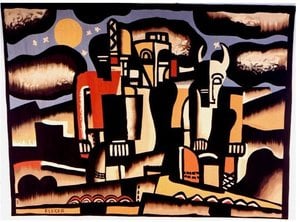
Fuel Pump

Fernand Léger’s "Fuel Pump" captures the energy of a vintage automobile navigating a bustling gas station scene, featuring a truck, traffic light, clock, and bench—a masterful blend of abstraction and observation reflecting the machine age.

Fernand Léger (1881–1955): pionir kubizma in 'tubizma'! Odkrijte njegove drzne slike, ki slavijo moderno življenje, stroje in človeško podobo – predhodnik pop arta.

Giclée tisk / Umetniški tisk

Giclée ali platnati odtis muzejske kakovosti z hitro proizvodnjo in prilagodljivimi možnostmi končne obdelave. ( Naročite ročno slikano reprodukcijo Preklop na digitalno sliko)

Corner sample of the P118B picture frame: izoblit polistiren, 5 cm wide and 3 cm thick
P118B €10
Corner sample of the P118H picture frame: izoblit polistiren, 5 cm wide and 3 cm thick
P118H €10
Corner sample of the P118W picture frame: izoblit polistiren, 5 cm wide and 3 cm thick
P118W €10
Corner sample of the P438Z picture frame: izoblit polistiren, 5.5 cm wide and 3.5 cm thick
P438Z €10
Corner sample of the P508JH picture frame: izoblit polistiren, 7 cm wide and 3.5 cm thick
P508JH €12
Corner sample of the P508YH picture frame: izoblit polistiren, 7 cm wide and 3.5 cm thick
P508YH €12
Corner sample of the P805H picture frame: izoblit polistiren, 5 cm wide and 3.5 cm thick
P805H €10
Corner sample of the P805Z picture frame: izoblit polistiren, 5 cm wide and 3.5 cm thick
P805Z €10
Corner sample of the P919BZ picture frame: izoblit polistiren, 7 cm wide and 3.5 cm thick
P919BZ €10
Corner sample of the P919G picture frame: izoblit polistiren, 7 cm wide and 3.5 cm thick
P919G €10
Corner sample of the P919XJ picture frame: izoblit polistiren, 7 cm wide and 3.5 cm thick
P919XJ €10
Corner sample of the P959ZH picture frame: izoblit polistiren, 5 cm wide and 3 cm thick
P959ZH €10
Corner sample of the P968JZ picture frame: izoblit polistiren, 6 cm wide and 4 cm thick
P968JZ €12
Corner sample of the W106C picture frame: masivno drevo, 5 cm wide and 3 cm thick
W106C €8
Corner sample of the W218G picture frame: masivno drevo, 5 cm wide and 3 cm thick
W218G €10
Corner sample of the W218JH picture frame: masivno drevo, 5 cm wide and 3 cm thick
W218JH €8
Corner sample of the W218Y picture frame: masivno drevo, 5 cm wide and 3 cm thick
W218Y €10
Corner sample of the W307PJ picture frame: masivno drevo, 6 cm wide and 3 cm thick
W307PJ €10
Corner sample of the W316G picture frame: masivno drevo, 6 cm wide and 3 cm thick
W316G €10
Corner sample of the W316PJ picture frame: masivno drevo, 6 cm wide and 3 cm thick
W316PJ €8
Corner sample of the W316Y picture frame: masivno drevo, 6 cm wide and 3 cm thick
W316Y €10
Corner sample of the W398PJ picture frame: masivno drevo, 5 cm wide and 3 cm thick
W398PJ €8
Corner sample of the W4111J picture frame: masivno drevo, 6.5 cm wide and 3.5 cm thick
W4111J €10
Corner sample of the W500HY picture frame: masivno drevo, 7 cm wide and 5 cm thick
W500HY €15
Corner sample of the W500JH picture frame: masivno drevo, 7 cm wide and 5 cm thick
W500JH €15
Corner sample of the W692G picture frame: masivno drevo, 8 cm wide and 4 cm thick
W692G €12
Corner sample of the W849H picture frame: masivno drevo, 5 cm wide and 3 cm thick
W849H €8
Corner sample of the W940BG picture frame: masivno drevo, 7.5 cm wide and 4.5 cm thick
W940BG €15
Corner sample of the W953PJ picture frame: masivno drevo, 6 cm wide and 3.5 cm thick
W953PJ €8

Standardna velikost
po meri
CM
INCH

Izberite eno od naših vnaprej določenih velikosti, ki ustrezajo prvotnim proporcijam umetničkega dela.

širina
višina

Vnesite širino in višino, ki jih potrebujete za svoj okvir ali steno. Tiskanje se lahko le odreže, vendar ga ni mogoče narediti večjega od slike, zato format z drugačno obliko pomeni izgubo dela slike. Pred tiskanjem vam pošljemo digitalni predogled za potrditev. Slika, prikazana na tej strani, ne prikazuje dejanskega izrezkov — le predogled to omogoča.

Globalna dostava () v 2 tednih namesto standardnih 4/5 tednov. (20 oktober)

Brezplačna ekspresna dostava po vsem svetu
Visokokakovostno laneno platno
Popolno zavarovanje pošiljke
Garancija povračila carine in uvoznih davkov
Garancija popolnega barvnega ujemanja
Politika vračila v 100 dneh (le v primeru okvar)
Garancija 100% povračila denarja
Popust pri večjem naročilu

Skupna cena

€ 59

Fuel Pump

Giclée tisk / Umetniški tisk

Velikost reprodukcije

-

Skupna cena

€ 59

Hitri podatki

  • Location: Musée d'Art Moderne de Paris
  • Dimensions: 73 x 50 cm
  • Medium: Oil on Canvas
  • Influences:
    • Picasso
    • Braque
  • Artist: Fernand Léger
  • Artistic style: Constructivist

Kviz o umetnosti

Pri vsakem vprašanju je na voljo le eden pravilen odgovor.

Vprašanje 1:
What is the primary subject matter depicted in Fernand Léger's painting “Fuel Pump”?
Vprašanje 2:
Fernand Léger’s artistic style is characterized by:
Vprašanje 3:
The painting incorporates elements reflecting the influence of:
Vprašanje 4:
What is notable about the depiction of the vintage automobile in “Fuel Pump”?
Vprašanje 5:
“Fuel Pump” exemplifies Léger’s commitment to portraying the impact of:

A Symphony of Form and Industrial Soul

To stand before Fernand Léger’s 1925 masterpiece, “Fuel Pump,” is to step onto the stage of a futurist opera, where the static world suddenly begins to pulse with the rhythmic, metallic hum of a city in motion. The canvas explodes with a geometric precision that captures the very essence of the Machine Age—a riot of interlocking cubes, cylinders, and planes that dominate the visual field. More than just a depiction of an everyday roadside scene, this work represents Léger's audacious attempt to distill the anxieties and exhilarations of the burgeoning industrial revolution into a powerfully abstract visual language. The painting invites the viewer to find beauty within the most utilitarian structures, transforming a mundane gas station into a monumental celebration of modern life.

The composition is a masterclass in energetic dynamism. While the subject matter includes recognizable elements—a vintage vehicle navigating the station, figures moving through the space, and even a distant traffic light—these are rendered through a lens of structural integrity. Léger eschews traditional illusionistic depth, opting instead for a flattened surface that emphasizes the spatial relationships between overlapping shapes. This technique creates a palpable sense of movement; the rhythmic repetition of forms suggests the relentless progress of technology, making the artwork feel as though it is breathing with the mechanical heartbeat of the 1920s.

The Art of Tubism and Tactile Technique

Léger’s approach to painting departs significantly from traditional representational methods, firmly establishing itself within a unique evolution of Cubism. Often associated with his personal style known as "Tubism," Léger moved away from the melancholic fragmentation seen in the works of Picasso or Braque. Instead, he embraced the volume and robust presence of the cylinder and the sphere. His fascination with the strength of mechanical forms allowed him to rebuild the world through a lens of sculptural weight, where every line and edge feels engineered rather than merely drawn.

The physical presence of the painting is equally captivating. Léger meticulously applied thick impasto—heavy layers of pigment built up upon the canvas—to create tactile surfaces that invite viewers to engage physically with the artwork. This heavy application of paint lends a sense of permanence and strength to the industrial subjects, mirroring the very steel and iron of the machines he admired. For the collector or interior designer, this texture provides a profound depth that catches the light, making a high-quality reproduction a commanding focal point in any sophisticated space.

A Legacy for the Modern Collector

Historically, “Fuel Pump” serves as a vibrant window into a period of profound societal transformation. Created during the rapid urban sprawl and technological advancements of the interwar years, the painting captures the unsettling beauty of a world increasingly dominated by engineering. Léger’s ability to integrate modernity—its dynamism, its mechanical forms, and its very essence—into fine art makes this piece a cornerstone of twentieth-century modernism.

For those seeking to infuse their interiors with a sense of strength, movement, and historical significance, this artwork offers unparalleled inspiration. It is a piece that speaks to the bold, the progressive, and the lovers of structured beauty. Whether placed in a contemporary gallery setting or a curated residential collection, Léger’s vision remains a powerful declaration: that even in the most functional corners of our world, there exists a profound and rhythmic artistry waiting to be discovered.

Vprašanja in odgovori

Katera so priporočena prostora za izpostavo dela "Fuel Pump", glede na njegovo barvno paleto?

Z考慮 na njegove Neutrals barve je za Living Room priporočljivo delo "Fuel Pump".

Ali je "Fuel Pump" avtorja Fernand Léger svetlo ali temno umetniško delo?

Zabeležene vrednosti za "Fuel Pump" avtorja Fernand Léger so: svetlina brilliant, luminanca Bright Balance.

Kako se delo "Fuel Pump" vklapa v tematiko in slog umetnika Fernand Léger?

V celotnem delu umetnika Fernand Léger se delo "Fuel Pump" prikloni slogu Cubism, ki vključuje tematiko machine age inspiration, industrial aesthetic, geometric abstraction, urban observation, léger’s visionary style.


Biografija umetnika

Fernand Léger: Izoblikovano v Oblikah – Življenje in Ustvarjanje

Joseph Fernand Henri Léger, rojen leta 1881 v Argentanu, Normandiji, je bil francoski slikar, kipar in filmski ustvarjalec, ki se je uveljavil kot ključna figura moderne umetnosti. Njegovo potovanje od ruralnega podeželja do epicentra pariškega avantgardizma priča o neomajni viziji in nenehni želji po zajemanju duha industrijske dobe. Za razliko od mnogih sodobnikov, ki so abstraktnost razumeli kot pobeg od realnosti, je Léger iskal integracijo moderne – njene dinamike, mehanskih oblik, bistva – v nov vizualni jezik, ki je bil hkrati močno abstrakten in globoko zakoreninjen v opazovalnem svetu. Njegovo zgodnje življenje, prežeto s fizičnostjo kmetijskega dela, mu je nudilo trdno podlago, ki jo je kontrirala strastna priprostranost industrijske prihodnosti, ki jo je tako navdušeno prikazoval. Sprva namenjen arhitekturi se je Léger po prihodu v Pariz leta 1900 usmeril k slikarstvu in si služil s tehnično risbo, medtem ko je izpopolnjeval svoje umetniške veščine. Ta čas je bil zaznamovan z akademskim usposabljanjem, vendar se je prava preobrazba začela šele ob srečanju z revolucionarnim delom Paula Cézanna.

Tubizem in Razcvet Nove Estetike

Cézannova retrospektiva leta 1907 je bila katalizator, ki je Legerja osvobodil od konvencionalne reprezentacije in ga potisnil k bolj geometrijskemu in strukturnemu pristopu. Začel je razgrajevati oblike, analizirati njihove temeljne strukture in jih ponovno sestavljati na platnu s poudarkom na trdnosti in prostornosti. Ta raziskava ga je hitro pripeljala v orbiti kubizma, vendar Léger ni želel le posnemati stilov Picassa ali Braquea. Namesto tega je razvil svojo značilno idiom – osebno obliko kubizma, ki jo so kritiki šaljivo poimenovali "tubizem". Značilen za tubizem so cilindrične oblike, sploščene ravnine in krepke barvne kontraste. Ta stil je slavil mehansko estetiko še preden je postala razširjena umetniška obsedenost. Léger se je v tem obdobju aktivno udeleževal avantgardističnega okolja, združil s takratnimi pomembnimi umetniki kot so Jean Metzinger, Henri Le Fauconnier, Francis Picabia in Marcel Duchamp znotraj skupine Puteaux, znane tudi kot Section d’Or (Zlati prerezi). Skupina je raziskovala matematične načela harmonije in sorazmerja ter si prizadevala, da bi njihovo umetnost prežeta s čutom reda in racionalnosti.

Vpliv Vojne in Razvoj Mehanskega Estetizma

Izbruh prve svetovne vojne je globoko vplival na Légerjevo življenje in delo. Služba na fronti od leta 1914 do 1916 ga je izpostavila brutalni resničnosti moderne vojne – topniški palubi, zračnemu boju in dehumanizacijskim učinkom mehaniziranega konflikta. Ta izkušnja ni vodila v razočarovanje ali zavrnitev modernosti; nasprotno pa je okrepila njegovo fascinacijo za stroje in njihovo moč. Skice, narisane med službo, so dokumentirale surovno lepoto vojaške tehnologije, ki jo je preobrazile v predmete umetniškega razmišljanja. Po vrnitvi v civilno življenje se je Légerjeva estetika še naprej razvijala. Njegove slike so začele odražati bolj racionalizirano mehansko občutljivost, ki je slavila dinamiko in učinkovitost industrijskega sveta. *Vojak s pištolo* (1916) to preslikavo uteleša, saj prikazuje poenostavljene oblike in krepke barve, ki evocirajo občutek mehanske natančnosti. To ni bila le estetska izbira; bil je filozofski izraz – potrditev potenciala moderne za napredek in obnovitveno moč, celo v odzvu uničujoče vojne.

Zapuščina in Trajni Vpliv

V svojih povojnih letih je Léger še naprej raziskoval presek med umetnostjo in industrijo ter ustvarjal dela, ki so slavila moderno življenje s edinstvenim mešanico abstrakcije in figuracije. Njegova serija *Paysages animés* (Animirani kraji) iz leta 1921 je prikazala figure in živali brezhibno vključene v racionalizirane kompozicije, kar je zameglilo meje med organskimi in neorganskimi oblikami. Eksperimentiral je tudi s kiparstvom in filmom, razširivši svojo umetniško prakso izven tradicionalnega slikarstva. Légerjev vpliv na prihodnje generacije umetnikov je nesporno velik. Njegova drzna poenostavitev oblike, sprejetje industrijske tematike in praznovanje popularne kulture so napovedali nastanek pop arta desetletja kasneje. Umetniki kot Roy Lichtenstein in Andy Warhol dolgujejo jasen dolg Légerju in njegovem pionirskem delu. On je premostil razkorak med abstraktno umetnostjo in figurativno reprezentacijo, dokazal pa, da je mogoče ustvariti dela, ki so hkrati intelektualno rigorozna in vizualno privlačna. Danes se Légerjeva dela hranijo v pomembnih muzejih po vsem svetu, med drugim v Musée d'Art et d'Histoire na Franciji in Musée National Fernand Léger, posvečen izključno njegovemu delu. Ostaja kot velikan 20. stoletja – vizionar, ki se je upal najti lepoto v industrijski dobi in jo s brezprimerne drznosti in originalnosti prenesti na platno. Njegova zapuščina ni le slikarstva, temveč tudi preroka moderne. Pravi pionir, katerega delo še danes odzvanja pri občinstvu.
Fernand Léger

Fernand Léger

1881 - 1955 , Francija

Ključne informacije

  • Datum Rojstva: 4. februar 1881
  • Ime Pri Rojstvu: Joseph Fernand Henri Léger
  • Kraj Rojstva: Argentan, Francija
  • Nacionalnost: Francoska
  • Polno Ime: Fernand Léger
  • Umetniki Pod Vplivom: ['Pop Art']
  • Umetniški Slog: Kubizem, Tubizem
  • Vplivne Umetnike: ['Paul Cézanne']
  • Znani Dela:
    • The Sitted Woman
    • Machine Element
    • The Great Parade
    • The City
Raziščite umetniška dela, razvrščena po temah, slogih in značilnostih.