Predogled v realnem okolju Predogled v AR Kupite ročno slikano delo Preklop na digitalno sliko Pošlji
Podrobnosti o delu Priročnik Dodaj v priljubljene Prenesi sliko Podobni izdelki Rentgenski posnetek Predvajaj diaporama Vprašanja in odgovori Prenosna prezentacija Statistika

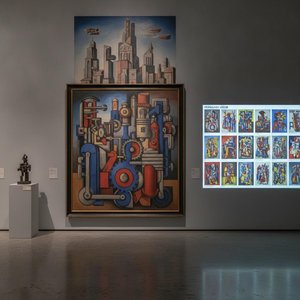
Abstract Composition

Composition by Fernand Léger - National Gallery of Art Provenance: Claude Schaefer [1913-2010], Montevideo, Uruguay; sold 1950 to Lessing J. Rosenwald; [1] gift 1950/1951 to the National Gallery of Art. [1] In *Recollections of a Collector*, 1976, p. 56-57, Rosenwald described being approached by a young man in South America who offered to sell his father’s collection of prints that he had.

Francuski kubist, znan po tubizmu ter ritmičnih, mehanskih oblikah, ki so navdihsovane z mašinsko dobo.

Giclée tisk / Umetniški tisk

Giclée ali platnati odtis muzejske kakovosti z hitro proizvodnjo in prilagodljivimi možnostmi končne obdelave. ( Kupite ročno slikano delo Preklop na digitalno sliko)


Corner sample of the P118B picture frame: izoblit polistiren, 5 cm wide and 3 cm thick
P118B €10
Corner sample of the P118H picture frame: izoblit polistiren, 5 cm wide and 3 cm thick
P118H €10
Corner sample of the P118W picture frame: izoblit polistiren, 5 cm wide and 3 cm thick
P118W €10
Corner sample of the P438Z picture frame: izoblit polistiren, 5.5 cm wide and 3.5 cm thick
P438Z €10
Corner sample of the P508JH picture frame: izoblit polistiren, 7 cm wide and 3.5 cm thick
P508JH €12
Corner sample of the P508YH picture frame: izoblit polistiren, 7 cm wide and 3.5 cm thick
P508YH €12
Corner sample of the P805H picture frame: izoblit polistiren, 5 cm wide and 3.5 cm thick
P805H €10
Corner sample of the P805Z picture frame: izoblit polistiren, 5 cm wide and 3.5 cm thick
P805Z €10
Corner sample of the P919BZ picture frame: izoblit polistiren, 7 cm wide and 3.5 cm thick
P919BZ €10
Corner sample of the P919G picture frame: izoblit polistiren, 7 cm wide and 3.5 cm thick
P919G €10
Corner sample of the P919XJ picture frame: izoblit polistiren, 7 cm wide and 3.5 cm thick
P919XJ €10
Corner sample of the P959ZH picture frame: izoblit polistiren, 5 cm wide and 3 cm thick
P959ZH €10
Corner sample of the P968JZ picture frame: izoblit polistiren, 6 cm wide and 4 cm thick
P968JZ €12
Corner sample of the W106C picture frame: masivno drevo, 5 cm wide and 3 cm thick
W106C €8
Corner sample of the W218G picture frame: masivno drevo, 5 cm wide and 3 cm thick
W218G €10
Corner sample of the W218JH picture frame: masivno drevo, 5 cm wide and 3 cm thick
W218JH €8
Corner sample of the W218Y picture frame: masivno drevo, 5 cm wide and 3 cm thick
W218Y €10
Corner sample of the W307PJ picture frame: masivno drevo, 6 cm wide and 3 cm thick
W307PJ €10
Corner sample of the W316G picture frame: masivno drevo, 6 cm wide and 3 cm thick
W316G €10
Corner sample of the W316PJ picture frame: masivno drevo, 6 cm wide and 3 cm thick
W316PJ €8
Corner sample of the W316Y picture frame: masivno drevo, 6 cm wide and 3 cm thick
W316Y €10
Corner sample of the W398PJ picture frame: masivno drevo, 5 cm wide and 3 cm thick
W398PJ €8
Corner sample of the W4111J picture frame: masivno drevo, 6.5 cm wide and 3.5 cm thick
W4111J €10
Corner sample of the W500HY picture frame: masivno drevo, 7 cm wide and 5 cm thick
W500HY €15
Corner sample of the W500JH picture frame: masivno drevo, 7 cm wide and 5 cm thick
W500JH €15
Corner sample of the W692G picture frame: masivno drevo, 8 cm wide and 4 cm thick
W692G €12
Corner sample of the W849H picture frame: masivno drevo, 5 cm wide and 3 cm thick
W849H €8
Corner sample of the W940BG picture frame: masivno drevo, 7.5 cm wide and 4.5 cm thick
W940BG €15
Corner sample of the W953PJ picture frame: masivno drevo, 6 cm wide and 3.5 cm thick
W953PJ €8

Standardna velikost
po meri
CM
INCH

Izberite eno od naših vnaprej določenih velikosti, ki ustrezajo prvotnim proporcijam umetničkega dela.

širina
višina

Vnesite širino in višino, ki jih potrebujete za svoj okvir ali steno. Tiskanje se lahko le odreže, vendar ga ni mogoče narediti večjega od slike, zato format z drugačno obliko pomeni izgubo dela slike. Pred tiskanjem vam pošljemo digitalni predogled za potrditev. Slika, prikazana na tej strani, ne prikazuje dejanskega izrezka — le predogled to omogoča.

Globalna dostava () v 2 tednih namesto standardnih 4/5 tednov. (23 november)

Brezplačna ekspresna dostava po vsem svetu
Visokokakovostno laneno platno
Popolno zavarovanje pošiljke
Garancija povračila carine in uvoznih davkov
Garancija popolnega barvnega ujemanja
100-dnevna politika vračil (le v primeru okvar)
Garancija 100% povračila denarja
Popust pri večjem naročilu

Skupna cena

€ 62

Abstract Composition

Giclée tisk / Umetniški tisk

Velikost reprodukcije

-

Skupna cena

€ 62

Ključni podatki

  • Dimensions: 76.2 × 60.4 cm
  • Location: National Gallery of Art, Washington D.C.
  • Influences: Futurism
  • Artistic style: Modernist
  • Artist: Fernand Léger
  • Subject or theme: Abstraction

Umetniški kviz

Pri vsakem vprašanju je na voljo le eden pravilen odgovor.

Vprašanje 1:
What artistic movement is Fernand Léger primarily associated with?
Vprašanje 2:
The painting prominently features shapes like a large circle and oval. What does this suggest about Léger's artistic intention?
Vprašanje 3:
In what year was Fernand Léger's Composition by Fernand Léger created?
Vprašanje 4:
What is the primary technique employed in this artwork?
Vprašanje 5:
Where is Fernand Léger's Composition by Fernand Léger currently housed?

A Symphony in Steel and Hue: The Mechanical Pulse of Fernand Léger

In the vast landscape of twentieth-century modernism, few artists captured the rhythmic heartbeat of the industrial age as vibrantly as Fernand Léger. His 1952 masterpiece, Composition, serves as a profound visual manifesto, transcending mere abstraction to become a crystallized embodiment of an era defined by both anxiety and boundless aspiration. Born in the rural landscapes of Normandy, Léger’s artistic journey was a metamorphosis from the organic textures of agricultural life to the sleek, hard-edged precision of the machine. In this particular work, we witness the culmination of his lifelong obsession with form, where the boundaries between the human spirit and the mechanical world begin to blur into a singular, dynamic energy.

The painting unfolds as a complex, orchestrated dance of geometry. At its heart lies a prominent circle, acting as a luminous beacon of order that radiates through an otherwise chaotic arrangement of shapes. This central focal point is surrounded by a sophisticated network of ovoids, smaller spheres, triangles, and rectangles, creating a visual cadence that echoes the repetitive, hypnotic motions of factory pistons and urban transit. The palette is nothing short of electric; bold strikes of primary yellows, deep reds, and vibrant oranges clash and harmonize against cool blues and stark blacks. This deliberate use of color does more than decorate the canvas; it breathes life into the geometric structures, imbuing cold shapes with a sense of warmth and kinetic vitality.

The Essence of Machine Painting and Tactile Mastery

Léger famously pioneered a style he termed “machine painting,” a technique that sought to move beyond the mere depiction of industrial objects to capture their very essence. He was not interested in the literal silhouette of a locomotive or a gear, but rather in the sensory experience of the machine age—the relentless movement, the transformative power, and the structural solidity of progress. To achieve this, Léger employed a masterful approach to texture. By applying thick, deliberate layers of paint, he created a surface that possesses a physical weight, mimicking the ruggedness of forged metal and the industrial grit of a modern cityscape.

For the discerning collector or interior designer, this piece offers an unparalleled opportunity to introduce a sense of structured dynamism into a space. The interplay of light and shadow within the layered pigments provides a depth that changes as the viewer moves around the work, making it a captivating centerpiece for contemporary settings. Whether placed in a minimalist gallery-style room or a sophisticated executive office, Composition commands attention through its balanced tension between chaos and control.

A Timeless Legacy for the Modern Collector

Beyond its aesthetic brilliance, Léger’s work carries a profound historical weight. Created in the post-war period, the painting reflects a world rebuilding itself through technology and structural innovation. It is an invitation to contemplate how much of our modern identity is forged in the intersection of human creativity and mechanical precision. Owning a high-quality reproduction of this work allows one to possess not just a beautiful arrangement of color and shape, but a fragment of the avant-garde spirit that redefined the twentieth century.

For those seeking to curate an environment filled with intellectual depth and visual excitement, this Composition stands as a testament to the enduring power of abstraction. It remains a timeless exploration of how order can emerge from complexity, offering a sophisticated aesthetic that resonates with the pulse of the modern world.

Vprašanja in odgovori

Ali je "Abstract Composition" v celotnosti bolj svetel ali bolj temen?

Zabeležene vrednosti za "Abstract Composition" avtorja Fernand Léger so: svetlina brilliant, luminanca Bright Balance.

Kako lahko prenesem sliko dela "Abstract Composition" avtorja Fernand Léger?

"Abstract Composition" avtorja Fernand Léger lahko prenesete na strani Prenos digitalne slike za to umetniško delo, kot prenos digitalne slike visoke ločljivosti.

Kakšen čustveni izraz prenosi "Abstract Composition" avtorja Fernand Léger?

"Abstract Composition" je povezano z Calm občutkom. Čustveni ton opisuje vtis, ki ga delo pusti.


Biografija umetnika

Fernand Léger: Izoblikovano v Oblikah – Življenje in Ustvarjanje

Joseph Fernand Henri Léger, rojen leta 1881 v Argentanu, Normandiji, je bil francoski slikar, kipar in filmski ustvarjalec, ki se je uveljavil kot ključna figura moderne umetnosti. Njegovo potovanje od ruralnega podeželja do epicentra pariškega avantgardizma priča o neomajni viziji in nenehni želji po zajemanju duha industrijske dobe. Za razliko od mnogih sodobnikov, ki so abstraktnost razumeli kot pobeg od realnosti, je Léger iskal integracijo moderne – njene dinamike, mehanskih oblik, bistva – v nov vizualni jezik, ki je bil hkrati močno abstrakten in globoko zakoreninjen v opazovalnem svetu. Njegovo zgodnje življenje, prežeto s fizičnostjo kmetijskega dela, mu je nudilo trdno podlago, ki jo je kontrirala strastna priprostranost industrijske prihodnosti, ki jo je tako navdušeno prikazoval. Sprva namenjen arhitekturi se je Léger po prihodu v Pariz leta 1900 usmeril k slikarstvu in si služil s tehnično risbo, medtem ko je izpopolnjeval svoje umetniške veščine. Ta čas je bil zaznamovan z akademskim usposabljanjem, vendar se je prava preobrazba začela šele ob srečanju z revolucionarnim delom Paula Cézanna.

Tubizem in Razcvet Nove Estetike

Cézannova retrospektiva leta 1907 je bila katalizator, ki je Legerja osvobodil od konvencionalne reprezentacije in ga potisnil k bolj geometrijskemu in strukturnemu pristopu. Začel je razgrajevati oblike, analizirati njihove temeljne strukture in jih ponovno sestavljati na platnu s poudarkom na trdnosti in prostornosti. Ta raziskava ga je hitro pripeljala v orbiti kubizma, vendar Léger ni želel le posnemati stilov Picassa ali Braquea. Namesto tega je razvil svojo značilno idiom – osebno obliko kubizma, ki jo so kritiki šaljivo poimenovali "tubizem". Značilen za tubizem so cilindrične oblike, sploščene ravnine in krepke barvne kontraste. Ta stil je slavil mehansko estetiko še preden je postala razširjena umetniška obsedenost. Léger se je v tem obdobju aktivno udeleževal avantgardističnega okolja, združil s takratnimi pomembnimi umetniki kot so Jean Metzinger, Henri Le Fauconnier, Francis Picabia in Marcel Duchamp znotraj skupine Puteaux, znane tudi kot Section d’Or (Zlati prerezi). Skupina je raziskovala matematične načela harmonije in sorazmerja ter si prizadevala, da bi njihovo umetnost prežeta s čutom reda in racionalnosti.

Vpliv Vojne in Razvoj Mehanskega Estetizma

Izbruh prve svetovne vojne je globoko vplival na Légerjevo življenje in delo. Služba na fronti od leta 1914 do 1916 ga je izpostavila brutalni resničnosti moderne vojne – topniški palubi, zračnemu boju in dehumanizacijskim učinkom mehaniziranega konflikta. Ta izkušnja ni vodila v razočarovanje ali zavrnitev modernosti; nasprotno pa je okrepila njegovo fascinacijo za stroje in njihovo moč. Skice, narisane med službo, so dokumentirale surovno lepoto vojaške tehnologije, ki jo je preobrazile v predmete umetniškega razmišljanja. Po vrnitvi v civilno življenje se je Légerjeva estetika še naprej razvijala. Njegove slike so začele odražati bolj racionalizirano mehansko občutljivost, ki je slavila dinamiko in učinkovitost industrijskega sveta. *Vojak s pištolo* (1916) to preslikavo uteleša, saj prikazuje poenostavljene oblike in krepke barve, ki evocirajo občutek mehanske natančnosti. To ni bila le estetska izbira; bil je filozofski izraz – potrditev potenciala moderne za napredek in obnovitveno moč, celo v odzvu uničujoče vojne.

Zapuščina in Trajni Vpliv

V svojih povojnih letih je Léger še naprej raziskoval presek med umetnostjo in industrijo ter ustvarjal dela, ki so slavila moderno življenje s edinstvenim mešanico abstrakcije in figuracije. Njegova serija *Paysages animés* (Animirani kraji) iz leta 1921 je prikazala figure in živali brezhibno vključene v racionalizirane kompozicije, kar je zameglilo meje med organskimi in neorganskimi oblikami. Eksperimentiral je tudi s kiparstvom in filmom, razširivši svojo umetniško prakso izven tradicionalnega slikarstva. Légerjev vpliv na prihodnje generacije umetnikov je nesporno velik. Njegova drzna poenostavitev oblike, sprejetje industrijske tematike in praznovanje popularne kulture so napovedali nastanek pop arta desetletja kasneje. Umetniki kot Roy Lichtenstein in Andy Warhol dolgujejo jasen dolg Légerju in njegovem pionirskem delu. On je premostil razkorak med abstraktno umetnostjo in figurativno reprezentacijo, dokazal pa, da je mogoče ustvariti dela, ki so hkrati intelektualno rigorozna in vizualno privlačna. Danes se Légerjeva dela hranijo v pomembnih muzejih po vsem svetu, med drugim v Musée d'Art et d'Histoire na Franciji in Musée National Fernand Léger, posvečen izključno njegovemu delu. Ostaja kot velikan 20. stoletja – vizionar, ki se je upal najti lepoto v industrijski dobi in jo s brezprimerne drznosti in originalnosti prenesti na platno. Njegova zapuščina ni le slikarstva, temveč tudi preroka moderne. Pravi pionir, katerega delo še danes odzvanja pri občinstvu.
Fernand Léger

Fernand Léger

1881 - 1955 , Francija

Hitri podatki

  • Artistic Movement Or Style:
    • Kubizem
    • Tubizem
    • Section d'Or
    • Purizem
    • Dadaizem
    • Konstruktivizem
  • Artists Or Movements Influenced By This Artist:
    • Pop art
    • Roy Lichtenstein
    • Andy Warhol
  • Artists Who Influenced This Artist: ['Paul Cézanne']
  • Date Of Birth: 1881
  • Date Of Death: 1955
  • Full Name: Joseph Fernand Henri Léger
  • Nationality: Francozec
  • Notable Artworks:
    • Nude v gozdu
    • Mesto
    • Mehanik
    • Tri ženske
    • Žena v modri
  • Place Of Birth: Argentan, Francija
Raziščite umetniška dela, razvrščena po temah, slogih in značilnostih.