Življenjepis Ferdinanda Hodlerja: Simbolizem in Paralelizem v Švicarski umetnosti
Ferdinand Hodler, ime tesno povezano s švicarsko krajinsko slikarstvo in močnim jezikom simbolizma, se je iz skromnih začetkov povzpel med najpomembnejše umetnike konca 19. stoletja in začeta 20. stoletja. Rojen leta 1853 v Bernu na Švici, je bila njegova življenjska pot globoko zaznamovana s zgodnjimi izgubami – ponavljajočo se temo, ki je prežemala njegovo umetniško vizijo. Prečasna smrt očeta in dveh mlajših bratov pred njegovim trinajstim letom je pustila dolgotrajno senco, v njem goječo globoko razmišljanje o umrljivosti in minljivosti obstoja. Te izkušnje, prepletene z ostrim občutkom za lepoto in moč narave, so postale osrednje točke njegovega razvoja. Sprva je bil vajenec pri dekorativnih slikarjih, a njegova prirojena nadarjenost je hitro presegel patero obrtnosti; hrepenel je po formalnem usposabljanju in umetniški raziskovalni svobodi zunaj omejitev komercialnega dela. Ta ambicija ga je leta 1871 popeljala v Ženevo, kjer se je potopil v študij, obiskoval predavanja s področja znanosti in skrbno prepisoval mojstrovine v mestanskem muzeju – stroga izobrazba, ki je položila temelj za njegove prihodnje inovacije.
Od realizma do "Paralelizma": Oblikovanje edinstvene vizije
Hodlerjeva umetniška pot je bila zaznamovana s stalinim razvojem in nenehnim iskanjem izrazne moči. Njegova zgodnja dela so odražala tedanjo prevladujočo stilsko smer realizma – portreti, krajine in žanrski prizori, izvedeni z natančno podrobnostjo. Kmalu pa se je čutil omejenega s temi konvencijami, iskal sredstvo za prenašanje globljih emocionalnih resnic in filozofskih idej. To ga je vodilo k simbolizmu, gibanju, ki je zavrnilo naravistično predstavitev v prid subjektivni izkušnji in evokativne slike. Hodler pa se ni le poslužil načel simbolizma; oblikoval je svojo edinstveno pot, razvijal tisto, kar je poimenoval "paralelizem". Ta značilni stil je vključeval urejanje figur in oblik v ritmičnih, skoraj geometrijskih vzorcih, ki so ustvarjali občutek harmonije in napetosti – vizualno predstavitev medsebojne povezanosti. Bil je poskus upodobitve ne le *kaj* je videl, temveč tudi *kako* se je počutil – podzemne emocionalne tokove, ki so povezovali vse stvari.
Noč, končana leta 1890, je predstavljala prelomno delo, ki je označevala njegov dokončni prehod k simbolistični sliki in sprožila precejšnje kontroverze s svojim prikazom ležečih figur, ki so nakazovale smrt in počitek. Kljub prvotnim kritikem je slika pritegnila pozornost v Parizu, kar je utrdilo Hodlerjev ugled izven Švice in napovedalo prihod resnično izvornika.
Pomembne točke na platnu: Ključna dela in njihova pomembnost
V svoji plodoviti karieri je Hodler ustvaril izjemno zbirko del, ki še danes odzvanjajo pri občinstvu.
Dan, končan leta 1893, velja za eno njegovih najambicioznejših in najbolj cenjenih dosežkov – monumentalna zgodovinska slika, ki kaže njegovo mojstrstvo v kompoziciji in simbolizmu. Nahaja se v Kunsthaus Zürichu in je močan premislek o življenju, smrti in obnovi, upodobljen s osupljivo mešanico realizma in vizionarske intenzivnosti. Sama velikost in čustvena teža
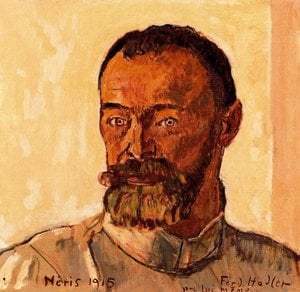
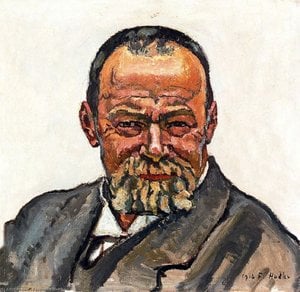
Dneva sta utrdili Hodlerjev položaj kot vodilne figure v evropski umetnosti. Med druga pomembna dela spadajo številni prikazi Švicarskih Alp, prežeti s občutkom osupljive veličine, ter portreti, ki razodevajo njegovo globoko razumevanje človeške psihologije. Pogosto se je vračal k temam izgube in žalovanja, morda odražajoč svoje otroške travme, a jih vedno napolnil s čutom dostojanstva in odpornosti. Njegove slike niso bile le reprezentacije; bile so emocionalne pokrajine, ki so vabile gledalce k razmisleku o temeljneh vprašanjih obstoja. Dela kot
Resnica II (1897) dokazujejo Hodlerjevo sposobnost združevanja klasičnih oblik s sodobnimi občutki in ustvarjanja slik, ki so hkrati brezčasne in izjemno sodobne – priča njegovemu inovativnemu duhu.
Trajna zapuščina: Vpliv in zgodovinski kontekst
Ferdinand Hodler je vplival daleč onkraj meja Švice. Njegova inovativna uporaba simbolizma in razvoj "paralelizma" so utrli pot ekspresionizmu, s poudarkom na subjektivnih čustvih in izkrivljenih oblikah. Umetniki, ki so sledili v njegovih stopinjah, so ga prepoznali kot predhodnika svojih lastnih raziskav notranje izkušnje. Hodlerjeva dela so se odzvala tudi širšim kulturnim tokovom poznega 19. in zgodnjega 20. stoletja – obdobju hitrih družbenih sprememb, znanstvenih napredkov in rastočega občutka eksistencialne tesnobe. Njegove slike so nudile vizualni jezik za soočanje s temi zapletenimi vprašanji ter zagotavljale tolažbo in vpogled v vse negotovejšem svetu. Danes se Hodlerjeva dela hranijo v glavnih muzejih po Evropi in drugod, kar zagotavlja, da njegova umetniška vizija še naprej navdihuje in izziva generacije gledalcev. Ostaja pomembna figura v švicarski umetnostni zgodovini, proslavljena ne le zaradi svoje tehnične spretnosti, temveč tudi zaradi svoje globoke čustvene globine in neomajne zavezanosti raziskovanju skrivnosti človeške narave.
Dodatno raziskovanje Hodlerja



 Preverite v realnem okolju
 Naročite ročno slikano reprodukcijo
 Pošlji kot čestitko
 Deli
Deli
 Podrobnosti
 Navodila

 Prenesi
 Podobni artefakti
 Rentgenski posnetek
 Predvajaj diaporama
 Statistika


 Preberi več






































 Možnost stekla je na voljo le za velikosti pod 110 cm