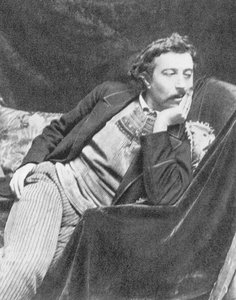
Življenje, slikano z drznimi potezi: Svet Paula Gauguina
Eugène Henri Paul Gauguin, ime, ki odmeva skozi živost barv in upornost duha, stoji kot ključna figura v prehodu iz impresionizma v moderno umetnost. Rodjen v Parizu leta 1848, je bilo njegovo življenje vsele nekonvencionalno. Njegove zgodnje leta je oblikovalo nenavadno vzgojeno okolje; njegov oče je bil novinar, njegova mati paندا iz peruanske aristokracije – njena babica, Flora Tristan, je bila pionirska feministična in socialistna pisateljica, katere ideali so nedvomno odmevali znotraj družine. To dedstvo je globoko oblikovalo Gauguinovo umetniško vizijo ter v njega vplonilo fascinacijo nad kulturo zunaj Evrope. Formativno obdobje, preživljeno kot otrok na Peru, po selitvi družine leta 1850, ga je potopilo v svet, bistveno drugačen od parizkega družbena okolja – izkušnjo, ki je ostala v njem dolgo in ki je na koncu spodbudila njegovo iskanje avtentičnosti v umetnosti. Po očetovi smrti se je vrnil v Francijo, kjer je prejel formalno izobrazbo, vendar se ni težilo k akademskim krogom, temveč k vzrastajočemu finančnemu svetu, kjer je začel kariero delavca na borzi – pot, ki se je zdela popolnoma neskladna z umetnično usodo, ki ga je čakala.
Od financ do umetniškega klicanja
Gauguin je več let vodil dvojno življenje, vztrajno temu še naprej sledil v svojih poslovnih podvigih, medtem ko je v skrivnosti negoval strast do slikanja. Sprva pod vplivom impresionistov je v prostem času začel eksperimentirati z barvo in svetlobo, vendar se je kmalu počutil omejenega zaradi njihove predanosti zajemanju le prehodnih trenutkov realnosti. Finančna kriza leta 1882 se je izkazala za pomembno prelomnico, saj ga je prisilila, da zapusti svojo donosno kariero in se v celoti posveti svojemu umetniškom klicu. To ni bila le sprememba poklica; šlo je za temeljito premik svetovnega nazora. Iskal je vodstvo pri Camilleu Pissarroju, ki je spodbudil njegov razvoj in ga predstavil avantgardnim krogom v Parizu. Vendar se je Gauguin hitro začel oddaljevati od impresionističnih načeli, saj je hrepenel po nečem bolj izraznem, bolj simboličnem – sredstvu za izražanje ne le tega, kar je *videl*, temve vsem, kar je *čutil*. Ta želja ga je vodila na pot umetniškega raziskovanja, ki ga je odpelila daleč iz parizkih salonov naravnost v srce "primitivnih" kultur. Zanimanje ga ni imelo le pri prikazovanju teh kultur; želel je absorbirati njihovo bistvo, saj je verjel, da v njih obstaja čistost, ki se je izgubila v zapadni civilizaciji.
Klic Bretanje in Tahitija
Gauguinova umetniška evolucija je bila neločljivo povezana z njegovimi potovanji. Čas je preživel v Bretaniji, očaran z neoblaganimi pejzaži in globoko zakoreninjenimi tradicijami tamozdašnjega ljudi. V tem obdobju je eksperimentiral s plošnimi oblikami, drznimi obrobami in poenostavitvijo kompozicije – tehnikami, ki so ga odmaknile od naturalizma in približale bolj simboličnemu jeziku. Toda šele njegova potovanje na Tahiti leta 1891 je zares sprostilo njegov ustvarjalni potencial. V iskanju zavetja pred tistim, kar je dojemljal kot dušna omejitev evropske civilizacije, je Gauguin upal najti navdih v polinezijski kulturi, saj je verjel, da ponuja čistejšo, bolj avtentično pot življenja. To ni bila le umetniška težnja; bila je duhovna pot. Potopil se je v lokalne običaje in prepričanja, skozi svojo edinstveno prizmo pa je prikazoval polinezijske ženske, pejzaže in religiozne prakse. Pod vplivom japonskih printov –
Japonisme – in srednjoveške umetnosti je razvil prepoznavno estetiko, značilno z živahnimi barvami, eksotično tematiko in pridihom skrivnostnosti. Ikonografska dela, kot so
“Vahine no te miti” (Ženska z mangom),
“Manao Tupapau” (Pod nadzorom duha mrtvih) in
“Dan bogov”, so iznikla iz tega obdobja, s čimer je utrdil svoj ugled vizionarskega umetnika. Njegova uporaba barv je postajala vse bolj drzna in ne-naturalistična, saj ni služila kopiranju realnosti, temvečno izražanju čustev in duhovnega pomena.
Dedstvo in kontroverze
Kljub umetniškim prebojem je bilo Gauginovo življenje pogosto zaznamovano s težavami. Med časom na Tahiti in kasneje na Markezih se je soočal s finančnimi težavami in slabšim zdravjem, kjer se je dokončno tudi ustopil. Kljub temu je še naprej plodno slikal, neusmiljeno raziskujo teme življenja, smrti in duhovnosti. Umrl je leta 1903 na otoku Hiva Oa, v odmaknjenem arhipelagu Markez, v večini primerov neprepoznan zaradi svojega genija. Šele po njegovi smrti so njegova dela začela prejemati priznanje, ki so si ga zaslužila. Danes je slavljen kot ključna figura v razvoju moderne umetnosti, ki je premostila vrzel med impresionizmom in simbolizmom ter pavedila pot gibanjem, kot je fauvizem. Njegova uporaba barv, poenostavljene oblike in simbolične slike so globoko vplivale na umetnike, kot sta Pablo Picasso in Henri Matisse, ter na številne druge. Vendar pa Gauguin ostaja kontroverzna figura zaradi aspektov svojega osebnega življenja – še posebej zaradi svojih odnosov z mladimi polinezijskimi ženskami – ki se v luči sodobnih etičnih vprašanj še vedno debatajo in ponovno interpretirajo. Kljub temu so njegovi umetniški prispevki neosporni, njegovo dedstvo pa še vedno navdihuje umetnike in ljubitelje umetnosti po vsem svetu. Bil je pravi inovator, upornik, ki se je upal izzvati konvencije in skovati svojo pot, ter za sebo pustil korpus del, ki je tako očarljiv in enigmatičen kot sam človek.
Ključni vplivi in umetniške značilnosti
- Impresionizem: zgodnji vpliv na barvo in svetlobo, kasneje zavrnjen zaradi osredotočenosti na prehodno realnost.
- Japonizem: navdih za plošne perspektive, drzne obrobne črte in dekorativne vzorce.
- Srednjovečna umetnost: vplival na simbolično slikovnost in zavrnitev strogega realizma.
- Sintezizem: slog, ki ga je razvil Gauguin, s poudarkom na ustvarjanju umetnosti na podlagi subjektivne izkušnje namesto objektivnega opazovanja.
- Primitivizem: fascinacija z ne-zapadnimi kulturami, saj je verjel, da ponujajo bolj avtentičen in duhovni način življenja, kar se odraža v njegovi tematiki in slogovnih izbirah.



 Preverite v realnem okolju
 Naročite ročno slikano reprodukcijo
 Pošlji kot čestitko
 Deli
Deli
 Podrobnosti
 Navodila

 Prenesi
 Podobni artefakti
 Rentgenski posnetek
 Predvajaj diaporama
 Statistika
 Preberi več






































 Možnost stekla je na voljo le za velikosti pod 110 cm