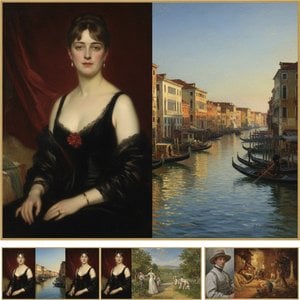
Ferraarski mojster: Življenje in umetnost Ercolea de' Robertija
Ercole de’ Roberti, rojen v Ferrari okoli leta 1451, ostaja somewhat enigmatična figura v panteonu renesančnih umetnikov. Njegovo relatively kratko življenje – umrl je leta 1496 – prikriva globok vpliv na ferraarsko slikarstvo in prepoznaven slog, ki je združeval natančno podrobnost z skoraj mistično intenzivnostjo. Za razliko od mnogih svojih sodobnikov, ki so izkoristili obsežno usposabljanje v delavnicah ali spodrežila mreža patronov, se zdi, da je de’ Robertijeva pot do umetniškega vrhunca bila v veliki meri samostojna, poganjena z vročenim talentom in skrbnim opazovanjem sveta okoli sebe. Ferrara je bila takrat pod vladarstvom družine Este, znane po svojem izfinjenem dvoru in naraščajočem zanimanju za humanistične ideale; vendar se de’ Roberti ni zdal povsem navezan na dvorski patronat, kot je bilo to v primeru nekih drugih umetnikov. Namesto tega je pridobival naročila od prestižnih lokalnih družin in verskih institucija, s čimer je vzpostavil ugled s portreti, ki so zajemali ne le podobnost, temveč tudi psihološko globino.
Zgodnji vplivi in umetniška razvojnost
Točno določiti de’ Robertijeve zgodnje vplive je zaradi pomanjkanja dokumentiranega usposabljanja težko. Verjame se, da je sprva delal kot zlodar, kar je nedvomno izostril njegovo natančnost in oko za detajle – lastnosti, ki so postale značilnost njegovega slikarstva. Vpliv Cosmè Ture, drugega vodilnega ferraarskega umetnika, znanega po dramatičnih kompozicijah in zapletenih vzorcih, je prisoten v de’ Robertijevih zgodnjih delih. De’ Roberti se je jednak hitro premagal zgolj imitacijo in razvil edinstven pristop, ki ga je odlikovalo mehkejše modeliranje oblik, bolj naravna slikanje draperij in povečan poudarek na čustveni izraznosti. Njegova paleta, čeprav še vedno bogata in živahna, se je bolj usmerjala v hladnejše tone kot Tureje sogore črtine. Pokazal je tudi fascinacijo nad severnoevropskim slikarstvom, še posebej nad delom Jana van Eycka, kar je vidno v njegovi natančni pozornosti do teksture in svetlobe. Ta sinteza raznolikih vplivov je prinesla slog, ki je bil izrazito ferraarski, a hkrati edinstveno de’ Robertijev.
Glavna dosežki: Portreti in poliptiki
De’ Roberti je najbolj znan po svojih portretih, ki predstavljajo izjemne dosežnik v renesančni portretni slikarstvu. Njegov
Portret Ginevre Bentivoglio, naslikan okoli leta 1475–80, prikazuje njegovo sposobnost prenosa aristokratičnega statusa modela in njegove notranje življenje. Pogled osebe je neposreden in prodoren, kar nakazuje inteligenco in moč, medtem ko nežna sliknost njenega oblačila in draguljev govori o njeni bogatosti in prefinjenosti. Ni bil omejen le na portrete; izkazal je tudi izjemno znanje pri kompleksnih oltarjih. Njegovo vrhunsko delo,
Griffoni poliptik (1475–79), naročeno za cerkev San Francesco v Ferrari, je monumentalno delo, ki prikazuje njegovo tehnično znanje in kompozicijsko domišljem. Poliptik prikazuje scene iz življenja svetnika Frančiška skupaj z portreti družine Griffoni, s čimer brezhibno združuje religiozno pripoved z laikovskim spominom. Zapleteni detajli arhitekturnega okolja, ekspresivni obrazi postaci in harmonična barvna shema prispevajo k trajni moči poliptika. Drugo pomembno del je njegov
Svet Jan Krstnik, slika, ki razkriva njegovo mojstrstvo v anatomiji in čustveno intenzivnost.
Tehnika in simbolika
De’ Robertijeva tehnika je bila značilna po natančnem plastenjenju barv, kar je ustvarilo svetlobno površino z subtilnimi gradacijami tonov. Kot primarno sredstvo je uporabljal tempero na leseni podlagi, kar mu je omogočalo natančne detajle in živahne barve. Njegove kompozicije so bile pogosto kompleksne in skrbno načrtovane, kar odraža humanistični poudarek na redu in harmoniji. Poleg tehničnega znanja je de’ Roberti v svoja dela vgradil simbolno pomen. Predmeti, prikazani na njegovih portretih – dragulji, oblačila, knjige – niso bili le dekorativni, temveč so služili kot kazalniki družbenega statusa, intelektualnih interesov in moralnega značaja modela. V svojih religioznih slikah je črpala iz tradicionalne ikonografije, hkrati pa je vključeval sodobno simboliko, s čimer je ustvaril bogato tapiserijo pomenov, ki so odmevale pri njegovem občinstvu. Znano je bilo po uporabi draperij za ustvarjanje dinamičnih oblik in izražanje čustev; gnil v tkanine se pogosto zdijo, kot bi se premikali in dišali, kar figuram dodaja življenje in vitalnost.
Zgodovinski pomen in dediščina
Kljub relatively kratki karieri je Ercole de’ Roberti pustil neizbrisen след v ferraarski slikarstvu. Njegov vpliv lahko vidimo v delih naslednjih generacij umetnikov, vključno s Francesco del Cossa in Lorenzo Costa. Pomagal je vzpostaviti Ferraro kot pomembno središče renesančne umetnosti, ki se je v svoji umetniški inovativnosti primerljalo z Florenci in Benetkach. Čeprav je bila njegova produkcija omejena, kakovost in originalnost njegovih preživelih del zagotavljajo njegovo mesto med najpomembnejšimi slikarji 15. stoletja.
- Ponovno odkritje: De’ Robertijevo del je ostalo relativno neznano skozi stoletja, v zadnjih desetletjih pa je vse bolj priznano kot pomemben prispevek k renesančni umetnosti.
- Vpliv na kasnejše umetnike: Njegov poudarek na psihološkem realizmu in natančnih detajlih je vplival na šte številne kasnejše slikarje.
- Ohranjanje del: Ohranjanje njegovih glavnih del, kot je Griffoni poliptik, omogoča nadaljnje študiranje in občudovanje njegovega umetniškega genija.
On predstavlja fascinantno stičišče severnoevropskega realizma, ferraarske tradicije in humanističnih idealov, zaradi česar je ena izstopajočih postav v zgodovini italijanske renesančne umetnosti.



 Predogled
 Switch to Print
 Pošlji
 Deli
Deli
 Podrobnosti o delu

 Prenesi
 Podobni izdelki
 Rentgenski posnetek
 Predvajaj diaporama
 Stats
Stats


 Razviljaj več






































 Možnost stekla je na voljo le za velikosti pod 110 cm