BREZPLAČNO POSVETOVANJE O UMETNOSTI

x
Kupi tiskanino Kupi tiskaninoKupi digitalno sliko Kupi digitalno sliko PošljiPošlji
PodrobnostiPodrobnosti Dodaj v priljubljene Dodaj v priljubljene PrenesiPrenesi Podobni izdelkiPodobni izdelki Rentgenski posnetekRentgenski posnetek Predvajaj diaporamaPredvajaj diaporama

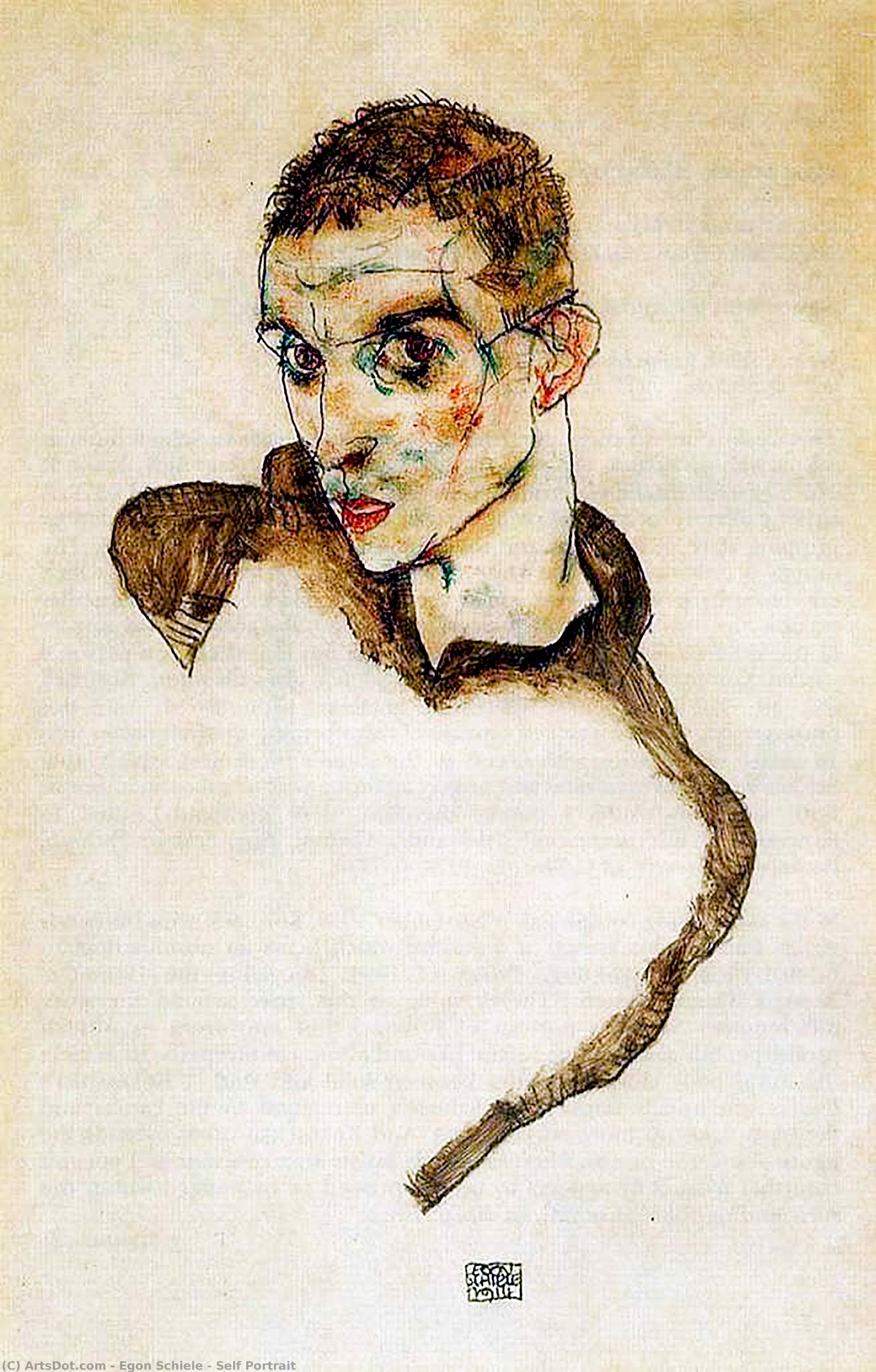
Samoportret

Egon Schiele

Raziskujte intenzivne ekspresionistične umetnosti Egon Schieleja (1890-1918): izrazite portrete, psihološke teme in edinstvene črte. Odkrijte reprodukcije že danes!

Ročno izdelana oljna reprodukcija

Ročno slikano olje na platnu v vaši izbiri velikosti in okvirja, izdelano po naročilu naših umetnikov.

P118B $10
P118H $10
P118W $10
P438Z $10
P508JH $12
P508YH $12
P805H $10
P805Z $10
P919BZ $10
P919G $10
P919XJ $10
P959ZH $10
P968JZ $12
W106C $8
W218G $10
W218JH $8
W218Y $10
W307PJ $10
W316G $10
W316PJ $8
W316Y $10
W398PJ $8
W4111J $10
W500HY $15
W500JH $15
W692G $12
W849H $8
W940BG $15
W953PJ $8

Standard
custom
CM
INCH

Izberite eno od naših vnaprej določenih velikosti, ki ustrezajo prvotnim proporcijam umetničkega dela.

širina
višina

Svoje dimenzije lahko vnesete tako, da se prilagodite določenemu okvirju ali prostoru. Če izbrana velikost ne ustreza razmerjem originalne slike, bomo umetniško delo obrezali ali sliko dopolnili z dodatnimi ročno naslikanimi elementi. Pred začetkom proizvodnje vam bo poslan digitalni osnutek v odobritev.
Upoštevajte, da predogled na zaslonu ne odraža dejanskega obrezovanja ali podaljšanja. Le osnutek bo natančno prikazal končno kompozicijo.
Čeprav so na voljo velikosti po meri, priporočamo izbiro dimenzije s preddefiniranega seznama, da ohranimo originalne razmere.

Primeri možnih sprememb: Zamenjava obraza s fotografijo stranke; Dodajanje hišnega ljubljenčka (npr. zamenjava mačke s psom); Vključitev skritega sporočila v ozadje; Sprememba pokrajine ali elementov v ozadju.
Po oddaji naročila bo ekipa WahooArt.com stranki po e-pošti poslala navodila in predogled digitalnega predogleda.

Svetska dostava () za 3/4 nedelje umesto uobičajenih 5 nedelja. (2 julij). Bez kompromisa po pitanju kvaliteta.

why_choose_icon
Brezplačna ekspresna dostava po vsem svetu
why_choose_icon
Visokokakovostno laneno platno
why_choose_icon
Popolno zavarovanje pošiljke
why_choose_icon
Garancija povračila carine in uvoznih davkov
why_choose_icon
Garancija popolnega ujemanja barv
why_choose_icon
60-dnevna politika vračanja (le v primeru napak)
why_choose_icon
Garancija 100% povračila denarja
why_choose_icon
Popust pri večjem naročilu

Skupna cena

-

reproduction

Samoportret

Tehnika reprodukcije

Velikost reprodukcije

-

Skupna končna cena

-

Ključni podatki

  • Medium: Watercolor over graphite on paper
  • Year: 1912
  • Notable elements or techniques: Bold strokes; Minimalist composition; Negative space
  • Title: Self Portrait
  • Subject or theme: Self-reflection; Psychological portraiture
  • Movement: Expressionism
  • Location: Leopold Museum, Vienna

Umetniški kviz

Pri vsakem vprašanju je na voljo le eden pravilen odgovor.

Vprašanje 1:
What artistic movement is Egon Schiele’s ‘Self Portrait’ primarily associated with?
Vprašanje 2:
Who influenced Schiele's style, particularly regarding bold lines and distortion of form?
Vprašanje 3:
What medium was used to create ‘Self Portrait’?
Vprašanje 4:
The painting utilizes a minimalistic composition, prioritizing...
Vprašanje 5:
What emotion is conveyed by Schiele’s gaze in the portrait?

Opis umetninine

Egon Ščile’s Self Portrait: A Window into Expressionist Angst

Egon Ščile (1890-1918), avstrijski ekspresionistični mojster, je osamljen glas v vzrušujoči pokrajini zgodnje 20. stoletja umetnosti. Njegovo delo je značiljeno živčnimi emocijami in zmedenimi slikami – temi, ki naj bolj pristransko izražajo “Self Portrait”, ki ga je dokončal leta 1912. Ta umetniški projekt ni le predstavitev mojstra; gre za neposredno raziskovanje njegove notranje napetosti, odraža širše zaskočitve, ki jih je živelo pod površjem evropske kulture takrat.

  • Umetniški kontekst: Ščileevo umetniško pot je globljši Gustav Klimt oblikoval, četrta mojstra, ki je ustanavljala vzorec za pogosto uporabljajoče se barvna paleta in stilizirane oblike – najbolj izražen v “The Kiss”. Ščile je hitro odmaknil svojo estetiko od Klimtovega sloga, ustvarjal svojega potnika, ki je bila označena z ostrimi črtami in zavestno deformacijo anatomije. Ta stilski odpor je utemeljeval njegovo mesto kot ključnega človeka ekspresionistične gibanja.
  • Tehnika & Kompozicija: “Self Portrait” je izveden vodeno barvo na papirju, kar dokazuje Ščileevo maestriranje sredstva. Umirjena tonalna območje – predvsem brunetni in črni odtenki, ki jih zaznamajo subtilni rdeči in zlati – ustvarja vzdušje intenzivne koncentracije. Minimalistična kompozicija daje prednost obrazu samemu, kar poudarja njegove izrazne konture in prenese občutek globokega psihološkega znanja. Opazujte kako Ščile uporablja negativno prostori za povečanje učinka gledalca očesa.
  • Simbolizem & Čustvena Globina: Portret zajema Ščileevo značilno pogled – prodorni pogled, ki izgleda kot če prodira čez platno, vabijoča razmišljanje o temah ranljivosti in samopodcenjevanja. Majna naklona glave ter kotna pozicija obraznih funkcij prenesejo dinamično emocijo – emocijo, ki je napetoča in introspektivna. Ščileeva zavestna izpustitev velikega prsta je še posebej zanimiva; simbolizira odmaknjeno stanje in morda nezmožnost popolnega razumevanja sebe.
  • Историčna Pomembnost: “Self Portrait” izraža širši umetniški položaj svoje ere, kjer umetniki iskali način soočenja z eksistencialnimi vprašanji in prenosa subjektivnega izkušenj namesto objektive reprezentacije. Poleg del Klimta in Muncha Ščilejev prispevok je pomagal ekspresionizmu doseči svoj vrhunec, ustanavljajoč ga kot temelja moderne umetnosti.

Danes “Self Portrait” še vedno močno resonira z gledalci po vsem svetu. Njegova suroča emocija in inovativni stilski izbor sta trajnostna dokaz Ščileeve umetniške dediščine. Reprodukcije ponujajo očarljiv pogled na ta temeljna umetniška dela – okno v mojstra psihiko in zaskočitve njegove časa.

Dodatna Raziskovanje


Biografija umetnika

Egon Schiele: Austrian Expressionist Painter

Austrian art has since acquired legendary status in interdisciplinary cultural studies. Histories of modern Austrian art generally begin with the architectural boom that swept Vienna in the second half of the nineteenth century. During this period of strong economic growth, the Emperor Franz Josef constructed a necklace of public edifices along the broad Ringstrasse that encircles Vienna’s inner city, prompting artists to flock to the capital from all over to compete for decorative mural commissions. The most renowned painter of the era was Hans Makart, but the young Gustav Klimt also earned his reputation executing commissions on the interior walls of structures such as theaters and museums. The favored style combined a sort of blowsy eroticism with a firm grip on classical and historical allegory. Starting from his masterpiece *The Kiss*, Klimt gradually moved away from the accepted formula, however, evolving a personal symbolism that was less conventionally readable as well as more overtly sexual. This combination proved devastating so far as the tasted of staid Vienna were concerned: Klimt was banished from the ranks of public muralists, and henceforth had to seek support solely from well-heeled private patrons.

Early Life & Influences

Egon Schiele was born in Tulln an der Donau – a picturesque region with vineyards, onion-domed towers and Baroque monasteries. Yet this idyllic setting is hardly reflected in his work.
Instead, many of his landscapes appear melancholic, sometimes sombre. Perhaps he was processing the early death of his father from syphilis and the subsequent loss of his sister Elvira.
Raised initially by his mother and then under the somewhat controlling guardianship of his uncle Leopold Czihaczek, Schiele’s childhood lacked conventional stability but fostered a fiercely independent spirit. Even as a boy, he displayed an intense fascination with trains—a motif that subtly reappeared in later paintings—and a burgeoning talent for drawing, though this was initially met with disapproval from his father who saw it as a distraction from more practical pursuits. The early death of his sister Elvira also cast a long shadow over the young artist’s psyche. These formative experiences instilled within him a sensitivity and an emotional rawness that would become hallmarks of his artistic expression, a constant grappling with themes of life, death, and the human condition.

Vienna Secession & Artistic Breakthrough

Schiele's formal artistic training began at the Kunstgewerbeschule (School of Arts and Crafts) in Vienna, but he quickly found itself stifled by its conservative approach. He transferred to the Akademie der bildenden Künste (Academy of Fine Arts), only to become further disillusioned with its rigid academic traditions. This dissatisfaction led him to abandon formal training altogether, choosing instead to forge his own path, a testament to his unwavering artistic conviction.
The influence of Gustav Klimt was pivotal during these early years; Schiele admired Klimt’s decorative style and exploration of symbolism, even receiving mentorship from the established artist.
He co-founded the Neues Wiener Kunstgruppe (New Viennese Art Group) in 1909, aligning himself with other progressive artists who challenged the prevailing artistic norms. His distinctive style features elongated figures, contorted poses, and expressive lines that convey a sense of unease and emotional intensity.

Style Characteristics & Recurring Themes

Schiele’s art is immediately recognizable for its raw honesty and psychological depth.
He fearlessly confronted themes often considered taboo – sexuality, death, anxiety, isolation – with an unflinching gaze.
His distinctive style features elongated figures, contorted poses, and expressive lines that convey a sense of unease and emotional intensity. The human form, particularly the nude, became his primary subject, not as an object of idealized beauty but as a vessel for exploring the complexities of human experience.
Schiele didn’t shy away from depicting himself in unflattering or vulnerable poses, revealing a profound level of self-awareness and introspection.

Legacy & Recognition

Despite facing censorship and legal challenges – including a brief imprisonment for allegedly corrupting minors with his art – Schiele gained recognition within Vienna’s avant-garde circles.
His work challenged the conventions of the time, provoking both admiration and outrage.
By the time of his untimely death during the Spanish flu pandemic in 1918 at the age of twenty-eight, he had established himself as a leading figure in Austrian Expressionism. Significant works such as *Self-Portrait with Physalis*, *Couple Embracing*, and *Field Landscape (Kreuzberg near Krumau)* stand as testaments to his artistic genius.
His influence on subsequent generations of artists is undeniable, particularly those interested in exploring psychological themes and challenging conventional artistic norms.

Egon Ščile

Egon Ščile

1890 - 1918 , Avstrija

Hitri podatki

  • Artistic Movement Or Style: Expresionismo
  • Artists Who Influenced This Artist: ['Gustav Klimt']
  • Date Of Birth: 12 giugno 1890
  • Date Of Death: 31 octubre 1918
  • Full Name: Egon Schiele
  • Nationality: Austriaco
  • Notable Artworks:
    • Autoritratto con Physalis
    • Giovane coppia
    • Paesaggio campo (Kreuzberg)
  • Place Of Birth: Tulln an der Donau, Austria
Raziščite umetniška dela, razvrščena po temah, slogih in značilnostih.