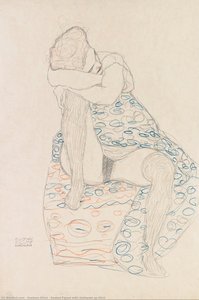
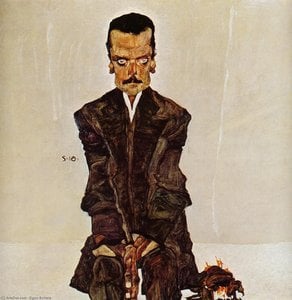
Življenje Egon Schiele
Tulln v Spodnji Avstriji predstavlja kuliso, na kateri se začne življenje umetnika, ki ga poznamo kot Egon Schiele. Rodjen 12. junija 1890, je v svet, ki so ga opredelila stroga in nepidovljiva strukture Avstro-ranske imperije, vstopil kot del novega stoletja. Njegov oče, Adolf Schiele, je upravljal lokalno železniško postajino kot vodja postaj Avstrijskih državnih železnic, njegova mama Marie pa je bila v javnosti bolj znana pod svojo dekliško priimkom Soukup. V okviru družine je Egon odrasel skupaj s svojimi trejmi sestrami: Elviro, Melanie in Gertrude.
Stabilnost te domače idilnosti se razbije že zgodaj. Senča bolezni se pomladno širi skozi hišo in pusti trajno marko na psihi mladega umetnika. Te osebne preobratnosti ne izginejo le v preteklost; one se tesno vtesajo v samo srce njegove prihodnje umetnosti. Skozi svet se premika z občutljivostjo do smrtnosti, ki bo kasneje nedvomno opredelila njegovo mesto v avstrijskem ekspresionizmu. Njegova obstojnost postane nenehna borba za prevod notranje napetosti na površino platna.
Njegova pot ga vodi v središče spremljajočega se evropskega pokrajine. Naviguje skozi napetost med tradicionalnimi akademskimi pričakovanji in vzpostavljajočo se potrebo po surovih, psiholoških resnicah. Življenje, ki ga je imel Egon Schiele, predstavlja serijo intenzivnih, pogosto nelagodnih konfrontacij z človeško kondicijo. Ne poskuša prikazati sveta, kot se mu zdi na oko, temveč tistega, ki vibrira globoko v živčnem sistemu.
Mladost, družina in izobraževanje
Stabilnost Schielejeve mladosti se razbije leta 1904, ko njegov oče Adolf Schiele, železničar, postane žrtev sifilisa. Bolezen, pridobljena med mednarodnim medžuparčnim obiskom v Trstu, zapusti družino v revščini, mladega umetnika pa zganja tema očetove mentalne zmedeljice in besa. Egon odrača skupaj s svojimi tremi sestrami, Elviro, Melani in Gertrude, pod skrbništvom svojega šerifa, Leopolda Czihaczeka. Tudi v teh turbulentnih letih vztrajajo njegova fascinacija z tovori, motiv, ki se bo kasneje pojavil v njegovih delih.
Formalni izobraževalni proces se začne pod vodstvom mentorja Ludwiga Karla Straucha. Do leta 1906 se Schiele preseli v Dunaj, kjer študira na Akademii likovnih artskih (Akademie der bildenden Künste). Atmosfera je stroga. Postaja vse bolj v nesporstvu z ultra-konservativnim poučanjem profesorja Christiana Griepenkerla. Trenje postane neobvladljivo. Po treh letih navigacije skozi te stroge akademske tradicije Schiele popolnoma zapusti akademijo, da bi si odprl svojo neodvisno pot.
Prelomni trenutek nastopi, ko sreča Gustava Klimta. Utemeljeni umetnik postane njegov mentor, mlademu slikarju nudi modele in ga uvede v krogove Dunajske secesije. Ta povezava označuje prehod od študenta, ki se bori proti tradiciji, do osrednje figure v vzpostavljajoči se avantgardni umetnosti.
Razvoj umetnosti v Dunaju
Dunaj postane središče Schielejevega ustvarjalnega trenja. Skozi umetniške krogove mesta se krepeč do konca sreča s Gustavom Klimtom, kar predstavlja ključno preobratnico v njegovi umetniški poti. Čeprav s svojim mentorjem vstopa v globok dialog in vprlji njegov vpliv, Egon Schiele ne kopira zgolj dekorativnih vzorkov secesije. Namesto tega se začne odrivati od okrasja in se osredotočiti na iskanje bolj visceralne, surove resnice. Do leta 1909 aktivno izziva ustanovljeni red, ko sodeluje pri ustanovitvi skupin Neues Wiener Kunstgruppe in Neukunstgruppe, kar predstavlja jasen prekin z tradicijo.
Njegova prisotnost v mestu je zaznamovana z nemirnim gibanjem med urbanimi središči in tišimi območji na obrobju. Deluje v Dunaju, Kremsu, Klosterneuburgu, Neulengbachu in Pragi, kar geografsko širjenje odraža tudi njegovo psihološko širitev. Njegova umetnost se odklanja od formalnih omejitev zgodnjih šolskih let in se usmerja v nezaščiteno, råbno raziskovanje človeške kondicije. Napetost obdobja, v katerem je živel, je jasno vidna v njegovih razvijajočih se skicah in kompozicijah.
Tehnika in ekspresionistični slog
Črta je primarni motor Schielejeve vizije. Ne le obkrožuje obliko, temveč vibrira z živčnim, nemirnim nemirjam. Uporablja ekspresivne linije za razporeditev psihološke napetosti, kar pogosto privede do izkrivljenih poz in zavitnih obrisov telesa. Figure delujejo izlongičasto, njihove oklejne pa so raztegnjene čez naravne proporcije, da bi izrazile občutek tesnobe. To ni težnja po anatomski popolnosti, temveč poskus razkriti notranje stanje subjekta. Tonovi kože so pogosto izjemno suhi ali bolniškavo barve, kar poudarja občutek krhkosti in fizične ranljivosti.
Njegov tehnični pristop se razlikuje glede na medij, vendar intenzivnost ostaja neustrezna. V svojih akvarelih uporablja ohlapne prelivne barve za ustvarjanje globine in vzdušja, pogosto pa velik del papirja pusti nepopolnoma prekrit, da bi povečal občutek izolacije. Pri delu z oljami na platnu časa časa nosi isto razgrobano nujnost, ki jo najdemo v njegovih risbah. Zven izven dvodimere ravni je raziskoval tudi obliko skozi kiparstvo, kjer je z glino in gipsom poskuval zajeti težo človeške prisotnosti.
Ključna dela in tematika
Platno postane prostor psihološke razkopavanja. Egon Schiele se sooča z težko prisotnostjo smrti, seksualnosti, tesnobe in izolacije skozi prizmo neomajne iskrenosti. Leta 1915 je ustvaril Smrt in mladostnica, delo, kjer se prisotnost smrtnosti prepleta z erosom. Figure obstajajo v stanju natežnosti, kar odraža notranje boritve, ki določajo njegovo vizijo. Pogosto se vrača k človeški obliki, da bi mapeiral ta nevidna stanja, pri čemer uporablja telo kot posrednika za kompleksnost obstoja.
Samoportretiranje deluje kot ponavljajoča se metoda introspekcije. Ne poskuša predstaviti izpopolnjene podobe, temveč ranljivo, pogosto v izkoleničenih ali izjemno vitkih stanjih. V delu Samoportret z fisalisom uporablja rastlino fisalis kot ponavljajoč se motiv. Rastlina, s svojo nežno in papirnato lupico, simbolizira prelaznost in krhkost življenja. Ta botanični element utrjuje njegovo obtožnost z razpadom in prehodnostjo človeške kondicije.
Njegove intimne povezave najdejo svojo pot tudi v njegovih kompozicijah. Leta 1915 je naslikal Portret Edith Schiele, kjer je svojo ženo zajel na način, ki odraža njegov specifičen ekspresivni jezik. Njegove teme redko delujejo statično; pulzirajo z živčno energijo, ki odraža spremljajoče se socialne in psihološke pokrajine obdobja. Priljubljena dela, ki predstavljajo ključne točke njegovega raziskovanja teh tem, so:
- Smrt in mladostnica (1915)
- Samoportret z fisalisom
- Portret Edith Schiele (1915)
Pozne leta in smrt
Pejzaž Schielejevega življenja se spreminja, ko se približuje Prva światovna vojna. Poveže se z Edith Harms, v zvezi, ki označuje pomembno osebno prehodno obdobje. Vendar pa stabilnost zakona hitro prekinjajo zahtevnosti konflikta. Uporabi se za vojno službo, obdobje, ki ga postavi v središče kaosa, ki ga dosega vojni požirnik.
Konec pride z nenadno, biološko brutalnostjo. Leta 1918 po Dunaju kroži epidemija španske gripe. Virus odvzame življenje Egon Schiele v age 28 let. Umre 31. oktobra 1918. Njegova smrt nastopi le malo po smrti njegove žene Edith, ki je sklonila pred isto boleznijo. Umetnikovo življenje se konča nenadoma, za sabo pa pusti celovito celoto del, ki zajema napetost sveta v razkolosu.
Dediščina in umetniški vpliv
Egon Schiele iz začetka 20. stoletja izstopa kot predvodnik avstrijskega ekspresionizma. Njegov odklon od dekorativnega zlata secesijske gibanja k bolj vizceralnemu, psihološkemu raziskovanju človeške oblike je spremenil pot figurativne slikarstva. Površino je zdrten in neustrezno, da bi razčlenil živčni sistem, pri čemer je uporabil razgrebane, nemirne črtice, ki so zajemile tresenja tesnobe in želje. Ta osredotočenost na notranjo pokrajino namesto na idealizirano lepoto ga je uveljavila kot enega ključnih figurativnih slikarjev tistega obdobja.
Vpliv njegovega dela sega daleč čez meje Dunajca. Naslednje generacije umetnikov v njegovi radikalni iskrenosti najdejo predhodnika, zlasti tisti, ki so bila privlačna temnejše in bolj kompleksne plasti človeške psihe. Njegova sposobnost prevajanja osebne traume in eksistencialne napetosti v univerzalen vizualni jezik zagotavlja njegovo prisotnost v diskurzu moderne umetnosti. Danes so njegove slike shranjene v največjih muzejskih zbirkah po vsem svetu, ohranjene kot ključni zapisi psiholoških premikov njegove dobe.
- Self-Portrait with Physalis
- Couple Embracing
- Field Landscape (Kreuzberg near Krumau)
- Death and the Maiden
Kje si danes lahko ogledate njegova dela
Težo in globino Schielejeve umetnostne dediščine je najbolje opredeljiti v celju, kjer se njegova vizija prepleta z zgodovijo mesta. Leopoldov muzej vnaša v gledalca neposredno energijo njegovih skic in slik, saj v svojih prostorih hrani ogromno koncentracijo njegovih del, ki ohranjajo tisto surovost, ki jo prepoznavamo. V bližini se v Österreichische Galerie Belvedere nahaja več znamenitih platn, med katerimi izstopa tudi čuveno Smrt in mladostnica (1915). Ustanovni arhiv Dunaja nadaljuje varovanje njegovega dediščeva preko Kunsthistorisches Museum in Albertine, kjer se v kolekcijah sretujejo ključni deli njegovega izjemnega življenja in dela.
Če se odmaknemo od avstrijske prestolnice, nam v Čški Krumlovu v Češki republiki odpira vrata umetnostni središče Egon Schiele Art Centrum, ki nudi posvečen prostor njegovemu stvaru. Ta muzej skozi stalno zbirko akvarelov in risk na črnilo razkriva njegovo umetniško evolucijo in razvoj ekspresivnega sloga. V tem mirnem okolju lahko obiskovalci ponovno doživijo specifično intenzivnost njegovih linij, ki s svojo neustremljivo močjo še vedno premagujejo čas.
- Smrt in mladostnica (1915)
- Samoportret s fisalisom
- Par v objemu
- Družina


 Predogled v realnem okolju
 Pošlji
 Deli
Deli
 Podrobnosti o delu
 Priročnik

 Prenesi sliko
 Podobni izdelki
 Rentgenski posnetek
 Predvajaj diaporama
 Vprašanja in odgovori
 Statistika


 Preberi več
 Preklop na tiskanine





































 Možnost stekla je na voljo le za velikosti pod 110 cm