

Umetniška dela, prikazana na tej strani, so zaščitena z avtorskimi pravicami, kar pomeni, da po zakonu ne moremo ustvarjati ali prodajati identičnih reprodukcij. Ta zaščita se izvaja v skladu z mednarodnimi sporazumi, kot so Bernska konvencija in po nacionalnih zakonih, vključno s tistimi, ki jih določa Zakon o avtorskih pravicah ZDA – naslov 17.
Ta način v celoti upošteva zakonodajo o avtorskih pravicah, saj ne vključuje kopiranja ali podvajanja zaščitenga umetniškega dela. Namesto tega gre za kreativno preinterpretacijo – novo sliko, ki je navdihnjen rezultat originala, vendar ni z njim identična.
Giclée ali platnati odtis muzejske kakovosti z hitro proizvodnjo in prilagodljivimi možnostmi končne obdelave. ( Kupite ročno slikano delo Preklop na digitalno sliko)





























Izberite eno od naših vnaprej določenih velikosti, ki ustrezajo prvotnim proporcijam umetničkega dela.

Vnesite širino in višino, ki jih potrebujete za svoj okvir ali steno. Tiskanje se lahko le odreže, vendar ga ni mogoče narediti večjega od slike, zato format z drugačno obliko pomeni izgubo dela slike. Pred tiskanjem vam pošljemo digitalni predogled za potrditev. Slika, prikazana na tej strani, ne prikazuje dejanskega izrezka — le predogled to omogoča.
Globalna dostava () v 2 tednih namesto standardnih 4/5 tednov. (15 november)
Capron House
Velikost reprodukcije
In the vast landscape of American modernism, few works capture the heavy, cinematic silence of rural life as poignantly as Edward Hopper’s 1931 watercolor, Capron House. This piece is far more than a mere depiction of a farmhouse; it is a profound meditation on solitude and the unspoken narratives that dwell within the stillness of a domestic scene. As the eye wanders across the composition, one is immediately struck by the sense of contemplative calm that defines Hopper’s signature style. A modest white clapboard house, crowned with a vibrant red roof, stands in quiet dialogue with a weathered barn, anchoring the viewer to a moment frozen in time. The presence of two figures on the porch, their postures suggesting a detached observation of their surroundings, adds a layer of psychological depth, inviting us to wonder if they are contemplating the day's labor or simply absorbing the profound tranquility of the countryside.
The scene is further enriched by the subtle inclusion of everyday artifacts—a parked truck and various vehicles scattered across the lawn. These elements serve as gentle reminders of the realities of rural existence during the early 20th century, grounding the ethereal mood in a tangible, lived reality. For the collector or interior designer, this painting offers a unique window into a bygone era, providing a focal point that is both intellectually stimulating and visually soothing. It is a work that does not demand attention through loud colors or chaotic movement, but rather earns it through a steady, rhythmic grace that settles deeply into the spirit of a room.
Hopper’s technical prowess in Capron House lies in his ability to use the delicate medium of watercolor to sculpt form and atmosphere. Eschewing dramatic or jarring palettes, he favors muted, earthy hues that heighten the emotional resonance of the landscape. His technique is characterized by precise washes and subtle gradations of tone, which allow light to become a character in its own right. The diffused light bathing the farmhouse does not merely illuminate the architecture; it softens the edges of reality, casting shadows that delineate the textures of wood and stone while emphasizing the isolation of the figures. This careful rendering of light and shadow creates a palpable sense of realism, making the atmosphere feel thick with memory and stillness.
For those seeking to incorporate such mastery into their personal spaces, the beauty of this piece lies in its textural richness. The way the light falls upon the white clapboard and the weathered surfaces of the barn provides a visual depth that is incredibly captivating. It is a masterclass in how subtle tonal shifts can convey immense psychological weight, making the painting an ideal choice for those who appreciate art that speaks through nuance rather than noise.
To understand Capron House, one must consider the era from which it emerged. Painted during the Great Depression, the work carries an inherent weight of the period's economic and social uncertainties. Yet, Hopper does not lean into tragedy; instead, he explores the architecture of solitude. He presents loneliness not as a catastrophe, but as a fundamental, almost sacred, state of being. This perspective allows the viewer to find beauty in the quietude, transforming a simple rural scene into a universal symbol of introspection and peace.
The emotional impact of the piece is enduring. It evokes a sense of nostalgia for a slower pace of life, making it an evocative addition to any curated collection or sophisticated interior design project. Whether placed in a sunlit study or a quiet corner of a living space, Capron House serves as a constant reminder of the beauty found in the moments between actions—the heavy, electric tension of the stillness that exists when the world stops to breathe.
Digitalno sliko za "Capron House" lahko prenesete na strani Prenos digitalne slike, kjer je na voljo možnost prenos digitalne slike visoke ločljivosti.
"Capron House" prikazuje rural landscape, domestic scene, american vernacular, tranquility, isolation, suburban life, vehicle presence, evening light, medtem ko so v realism, light & shadow, urban silence, domestic routine, hopper legacy zabeležene teme umetnika Edward Hopper. Primerjava obeh razkriva, kako se to delo povezuje z običajnimi motivi umetnika.
Vodnik za "Capron House" je stran Informacije za učence umetninine – natisljiv informativni list, ki prikazuje umetnino z njenim naslovom, izvorom in identifikacijsko tabelo (umetnik, datumi, tehnika, prvotna velikost, kolekcija).

Edward Hopper se je rodil v Upper Nyack, v Združenih državah Amerike. Njegova zgodnja leta so bila prebožana z opazovanjem sveta z neomagnočnim pogledom, kar je bila navada, ki se je začela že s otroškimi skici, ki so bile skrbno datirane in podpisane. Čeprav so mu starši predlagali praktično pot v komercialni ilustraciji, je njegova pozornost ostala usmerjena na likovno umetnost. Študiral je na School of Art v New Yorku pod mentorjem William Merritt Chase in Robert Henri. Ta obdobje mu je podalo tehnično znanje, potrebno za prikazovanje sveta brez okrasitev in v njegovi resničnosti. Ni težil po prehodnihčihčih črtah impresionistov, ki jih je srečal v Parizu. Namesto tega je razvil način opazovanja, ki je predlagal mir trenutka pred gibanjem množice.
Njegovo del se pogosto osredotoča na vsakdanjost. Poglel je na hiše, gostilnice, pisarne in hotelske sobe. Odstril je nepotrebne podrobnosti, da bi odkril globoko čustveno resnico scene. V delu House by the Railroad (1925) preprosta kompozicija razkriva občutek skrivnostnosti in izolacije. Svetlobo in senco ni uporabljal le za opis prostora, temveč za ustvarjanje vzdušja. Natančen prikaz sence na steni ali način, kako svetloba obišče okno, sta postala njegov način komuniciranja psihološkega stanja njegovih subjektov.
Način, na katerik se svetloba vstopi v prostor, je v njegovih slikah osrednji lik. V delu Nighthawks (1942) ostra fluorescentna svetloba nočne gostilnice razreže temnost zapuščene urbane ulice. Figure znotraj so fizično blizu, vendar se zdajo izgubljene v lastnih mislih, odtujene drug od drugega. Ta občutek anonimnosti v preobhodnem mestu je postal ponavljajoča se tema. Uporabil je napetost biti sam v javnem prostoru, občutek, ki odmeva v delih, kot sta Automat in Office in a Small City. Zanimala ga je interakcija umetne svetlobe z naravno temnotijo noči.
Njegova žena, Josephine Nivison Hopper, je bila nprava prisotnost. Bila je so umetnica in pogosto mu je služila kot model. Njena prisotnost je čutna v karakterizaciji mnogih njegovih ženskih postaci. Skupaj sta živela skromno, poletja pa so pogosto preživeli v Novem Engleskem, kar je vplivalo na pokrajine, ki jih je slikal. Njegovi prikazi ameriške pokrajine, tako ruralne kot urbane, pogosto poudarjajo določeno krhkost ali praznino. Ne glede na to, ali gre za obcestno bencinsko postajalo v delu Gas (1940) ali tiho sobo v hotelu, je tema vedno stičišče fizičnega prostora in zasebne, notranje izkušnje.
Hopperjev vpliv sega v vizualni jezik filma in literature. Njegova sposobnost ustvarjanja psihološke napetosti skozi kompozicijo je bila opazljena pri številnih tistih, ki pregledujejo način, kako se zgodbe pripovedujejo skozi slike. Njegove slike ostajajo v pomembnih muzejih po vsem svetu, v zbirkah, kot sta Whitney Museum of American Art in Museum of Fine Arts v Bostonu. Ni ciljal na velike zgodovinske narative. Svojo tematiko je našel v tihih kotičkih vsakdanjega življenja, kjer je preoblikoval preprosto okno ali preobitega tujca v študijo človeške kondicije. Njegovo del ostaja študija tišine, ki obstaja med ljudmi.

1931 - 1967 , Združene države Amerike

Step into the evocative world of American Realism with our curated guide to the 25 most iconic Edward Hopper paintings. Explore the profound beauty of light, shadow, and urban solitude through museum-quality art stories and decor inspiration. Discover all masterpieces on WahooArt.com.

Explore iconic works by Hopper and Bacon that capture profound solitude. Discover museum-quality masterpieces on WahooArt.com.

Explore the profound emotional landscapes of Mark Rothko. An expert editorial on Color Field painting, decoding the spiritual depth, technique, and enduring legacy of these abstract masterpieces for the discerning global collector.
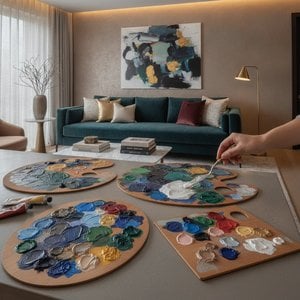
Elevate your interiors with expert guidance on color theory and art selection. Discover how to achieve chromatic equilibrium using hand-painted oil reproductions and bespoke commissions from WahooArt.com, the global authority in museum-quality fine art for luxury spaces.

Discover the ethereal beauty of watercolor through an art-historical lens. Master the delicate balance of light, fluidity, and pigment to capture the luminous essence of nature, inspired by the legendary techniques of the Old Masters and Impressionist greats.
 Predogled v realnem okolju
 Pošlji
 Deli
Deli
 Podrobnosti o delu
 Priročnik

 Prenesi sliko
 Podobni izdelki
 Rentgenski posnetek
 Predvajaj diaporama
 Vprašanja in odgovori
 Statistika

 Preberi več









 Možnost stekla je na voljo le za velikosti pod 110 cm


