
PredogledPredogled AR predogledAR predogled Kupi tisk Kupi tiskKupi ročno naslikano sliko Kupi ročno naslikano sliko PošljiPošlji
Podrobnosti o deluPodrobnosti o delu Dodaj v priljubljene Dodaj v priljubljene PrenesiPrenesi Podobni izdelkiPodobni izdelki Rentgenski posnetekRentgenski posnetek Predvajaj diaporamaPredvajaj diaporama

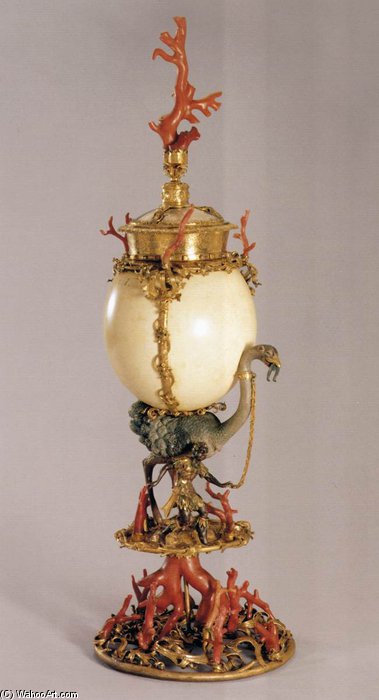
Ostrich Egg Standing Cup

Discover Clement Kicklinger’s evocative paintings of Roman life & religious scenes. Explore his unique style blending realism & symbolism, rooted in WahooArt.

Kupite digitalno sliko visoke ločljivosti z izboljšano kakovostjo, ki je precej boljša od spletnega predogleda.

Vsaka datoteka je pod natančnim nadzorom naših strokovnjakov, ki uporabljajo napredna orodja in strokovno ročno obdelavo. Zagotovimo, da ima vsaka slika izjemno jasnost, natančnost barv in fine podrobnosti.

Končna datoteka je po e-pošti dostavljena v 72 urah, optimizirana za takojšnjo uporabo v profesionalnem, uredniškem in tiskarskem okolju. To je kakovost, ki ji zaupajo vrhunska oblikovalna studia, založniki in galerije.

Digitalna slika

Prenesite datoteko visoke ločljivosti za osebno uporabo, tiskanje in kreativne projekte. (Kupi tisk Kupi tiskKupi ročno naslikano sliko Kupi ročno naslikano sliko)

Skupna cena

$ 24,90

Vključeno v vsako naročilo digitalne slike

Zagotovljena strokovna digitalna dostava

Ko izberete WahooArt.com, ne prejmete le slike – prejmete digitalno umetniško delo, ki je profesionalno urejeno, izdelano z natančnostostjo in zavestno zagotovljeno z garancijo za zadovoljstvo. Tukaj je vse, kar samodejno prejmete z vašim naročilom:

shipping_icon
Hitra dostava prek e-pošte

Vaša digitalna slika visoke ločljivosti bo na vaš e-naslov poslana v roku 72 ur od zaklopa naročila – pripravljena za takojšnjo uporabo.

canvas_icon
Digitalna datoteka z umetno inteligenco

Vaše umetniško delo je strokovno optimizirano z uporabo naprednih orodij umetne inteligence in ročne obdelave, kar zagotavlja največjo stopnjo podrobnosti, jasnosti in barvne natančnosti.

insurance_icon
Brezplačna ponovna dostava za vse življenje

Ste zaradi nespremietne napake izgubili ali izbrisali svojo datoteko? Ni težav – vam jo bomo ponovno poslali kadar koli in brezplačno.

tax_icon
Brez uvoznih pristojbin – vedno

Uživajte v svojem umetniškem delu takoj, brez carin, davkov ali stroškov dostave – digitalni prenosi so vedno brezdavčni.

color_icon
Zagotovilo natančnosti barv

Z uporabo profesionalnih orodij in upravljanja barv zagotavljamo, da vaša digitalna slika čim bolj natančno odraža prvotne barve.

return_icon
100-dnevna garancija zadovoljstva

Če niste zadovoljni s svojo digitalno sliko, jo bomo uredili ali vam v 100 dneh povrnili 100% denarja – brez kakršnih koli vprašanj.

guarantee_icon
100% Garancija povračila denarja

Niste zadovoljni? Zagovрите popoln povračilo sredstev v 100 dneh po prejemu digitalne datoteke – brez kakršnih koli vprašanj.

discount_icon
Popusti pri večjem številu naročil

Kupite 3 slike, prihranite 10% - Kupite 5 slik, prihranite 15% - Kupite 10+ slik, prihranite 20%. Odlično za kreativne projekte, galerije in agencije.


Biografija umetnika

A Life Immersed in Roman Splendor: Clement Kicklinger

Clement Kicklinger, born in 1561 and passing away in 1617, remains a fascinating yet somewhat elusive figure within the landscape of late Renaissance and early Baroque Italian painting. While comprehensive biographical details are scarce—a common challenge with artists operating outside the most prominent circles—his surviving works offer compelling insights into a life deeply interwoven with the religious and artistic fabric of Rome during a period of profound change. Kicklinger’s career unfolded against the backdrop of the Counter-Reformation, an era that demanded art serve as a powerful instrument for spiritual renewal and didactic purpose. He appears to have been particularly devoted to scenes depicting Roman history and devotional subjects, often imbued with a striking realism tempered by subtle symbolism.

The Artistic Context & Early Influences

Kicklinger’s artistic formation is difficult to pinpoint precisely, but the strong influence of Northern European painting traditions is evident in his meticulous detail and naturalistic rendering of figures. This suggests potential training or exposure to artists active in Rome who themselves were influenced by Flemish and Dutch masters. The city itself was a crucible of styles at this time; while the High Renaissance ideals of Raphael and Michelangelo continued to resonate, a new emphasis on dramatic lighting, emotional intensity, and dynamic composition—characteristics associated with Caravaggio and the burgeoning Baroque movement—was beginning to take hold. It’s likely Kicklinger absorbed elements from both traditions, forging a unique style that balanced clarity and precision with a growing sense of theatricality. His work also reveals an affinity for earlier Italian Renaissance masters like Pinturicchio, particularly in his decorative approach and narrative skill. The presence of *ostrich egg paintings* within his oeuvre is unusual and points to specialized commissions or a particular patronage network focused on luxury devotional objects.

Themes & Techniques: Realism and Religious Narrative

Kicklinger’s paintings are characterized by their compelling realism, particularly in the depiction of human anatomy, fabrics, and architectural settings. He possessed a remarkable ability to render textures and surfaces with convincing accuracy, creating a sense of tangible presence within his compositions. However, this naturalistic approach was never merely an end in itself; it served to enhance the emotional impact of his religious narratives. Scenes from the lives of saints, biblical episodes, and events from Roman history were rendered with a sensitivity that aimed to inspire piety and contemplation. He frequently employed a relatively subdued palette, relying on carefully modulated tones and subtle gradations of light and shadow to create atmosphere and depth. His compositions often feature crowded scenes filled with figures engaged in dynamic interactions, drawing the viewer into the heart of the narrative. The inclusion of detailed architectural backgrounds—often depicting recognizable Roman landmarks like San Clemente—further grounds his works in a specific time and place, adding another layer of meaning and authenticity.

Major Achievements & Historical Significance

While Kicklinger did not achieve the widespread fame of some of his contemporaries, his surviving paintings represent a significant contribution to the artistic landscape of early 17th-century Rome. His dedication to religious subject matter aligns with the broader aims of the Counter-Reformation art movement, and his skillful blending of realism and symbolism demonstrates a sophisticated understanding of artistic technique and theological principles. The fact that many of his works depict scenes related to San Clemente suggests a close association with this important basilica, perhaps as a house artist or through commissions from affiliated religious orders. His paintings offer valuable insights into the devotional practices and artistic tastes of the Roman elite during a period of intense religious and political upheaval. The enduring appeal of Kicklinger’s work lies in its ability to transport viewers back in time, offering a glimpse into a world where art served as a powerful expression of faith, history, and human emotion. His legacy is preserved through these evocative paintings, which continue to captivate audiences with their beauty, detail, and spiritual depth.
clement kicklinger

clement kicklinger

1561 - 1617

Ključne informacije

  • Artistic Movement Or Style: Early Baroque
  • Artists Or Movements Influenced By This Artist: ['Transavanguardia']
  • Artists Who Influenced This Artist: ['Italian Renaissance artists']
  • Date Of Death: 1617
  • Full Name: Clement Kicklinger
  • Nationality: German
  • Notable Artworks:
    • Ostrich Egg Standing Cup
    • Various religious scenes
  • Place Of Birth: Augsburg, Germany